Last updated October 30, 2026
 Sweep & inspection
 Caps & crowns
 Flue relining
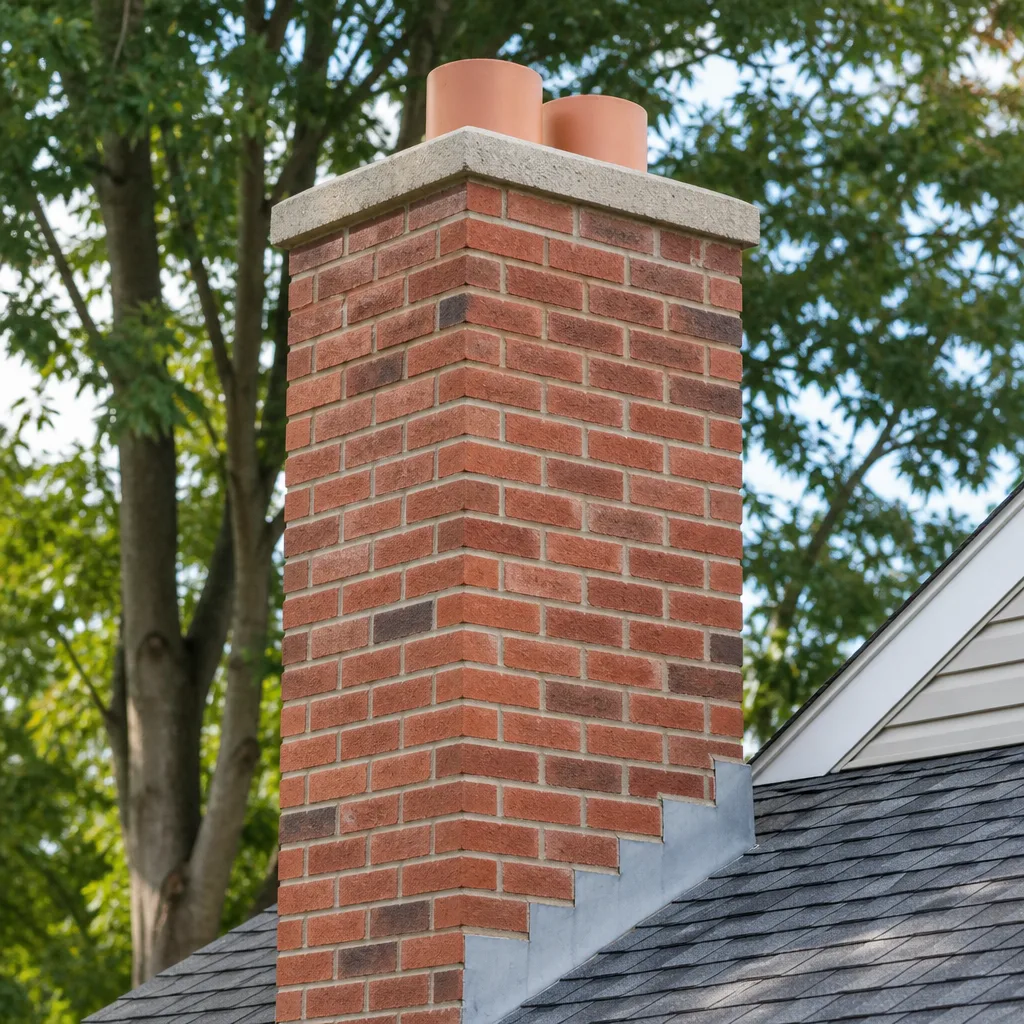 Masonry repair
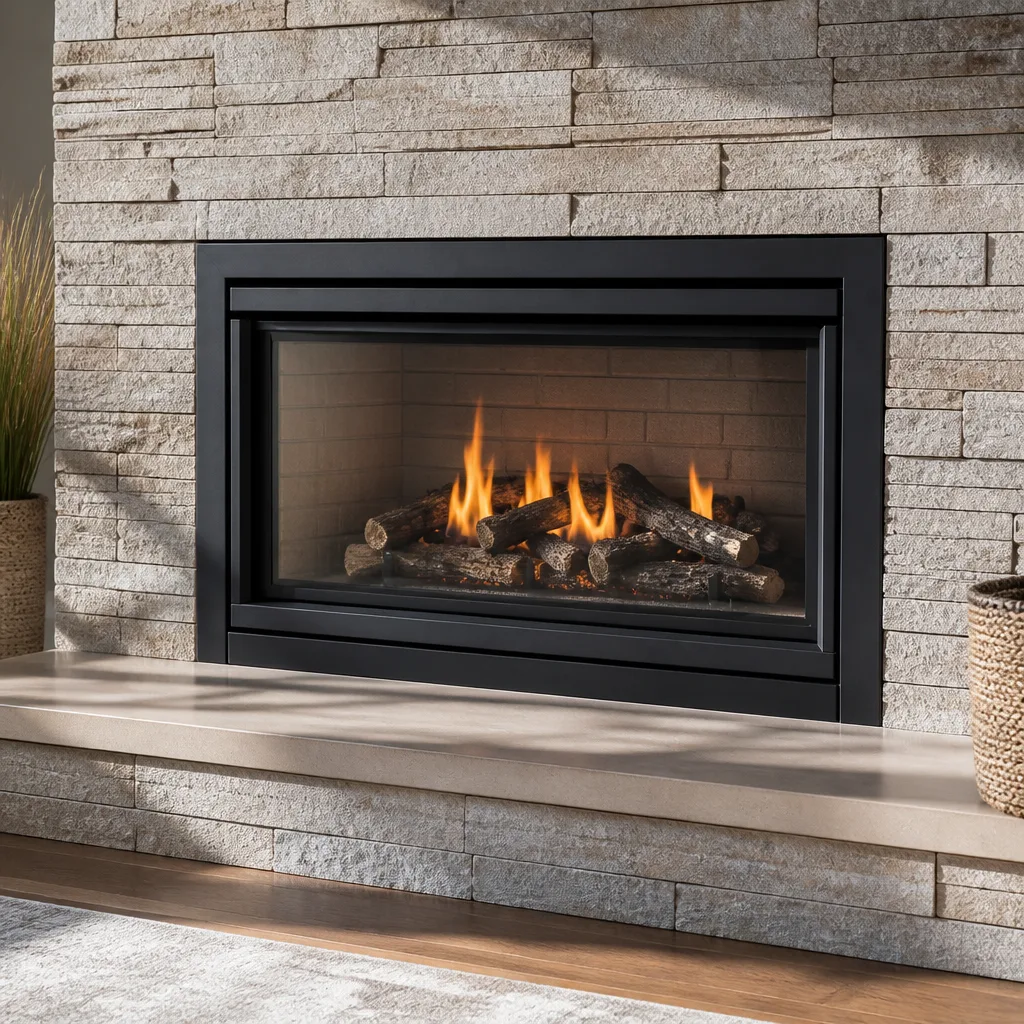 Gas fireplace service
Level 1 sweep and inspection to the NFPA 211 annual standard - flue, crown, cap, and flashing checked and photographed
Chimney sweep logs do not sweep chimneys. They loosen some creosote - which then falls where a brush and vacuum still have to collect it.
The Complete Chimney Sweep Guide for Rialto Homeowners
Most chimney guides are written for New England winters. Rialto homeowners get 287 sunny days a year, and that extended off-season is exactly why creosote and debris problems here tend to go unnoticed until the first cold snap reveals them. When a fireplace sits idle for eight or nine months, flue conditions change in ways that don’t happen in cold-weather states where chimneys work hard all winter. This guide explains what actually happens inside a Rialto chimney during the long dry season, what our Chimney Sweep services involve, and how to know when the system needs more than a cleaning.
Quick Answer
The Complete Guide to Chimney Cleaning in Rialto covers how a sweep involves removing creosote, ash, and debris from the flue, followed by an inspection to confirm the system is safe to operate. Homes in Southern California’s dry climate often need a sweep timed to the start of the burning season rather than an arbitrary annual date, because disuse creates its own set of problems: animal nesting, hardened deposits, and debris packed in by Santa Ana winds.
Styles & brands we work with
Table of Contents
- What a Chimney Sweep Actually Does in Rialto
- Why Rialto’s Climate Changes the Sweep Equation
- How Often Should You Sweep a Chimney in Southern California?
- The Three Levels of Chimney Inspection Explained
- What a Level 2 Inspection Finds on Older Rialto Homes
- Stucco Exteriors and Hidden Chimney Damage
- Liner Repair and DuraFlex Systems for Older Flues
- A Seasonal Sweep Schedule Calibrated to Rialto
- Common Mistakes to Avoid
- When to Call a Professional
- Frequently Asked Questions
- The Bottom Line
What a Chimney Sweep Actually Does in Rialto
A proper chimney sweep is not a guy with a brush on a stick. The work breaks into three distinct phases: removing combustible deposits from the flue walls, clearing debris from the smoke chamber and damper area, and evaluating the condition of the liner and masonry. Each phase matters, and skipping any one of them leaves a system that looks clean from the outside but still carries risk where it counts.
The first phase addresses creosote. Creosote forms when wood smoke condenses on cooler flue walls, and it comes in three stages. Stage one is a light soot that brushes off easily. Stage two is a flaky, granular deposit that requires more aggressive mechanical removal. Stage three is a hardened, tar-like glaze that can require chemical treatment or rotary tools. What surprises most Rialto homeowners is that a chimney used sparingly can still develop stage two creosote, because partial burns and smoldering fires in mild weather produce more condensation than roaring fires on cold nights.
The second phase covers the smoke chamber and damper. The smoke chamber sits just above the firebox and is often the most neglected part of the system. Debris falls down from the flue, animals build nests there, and creosote accumulates on its angled walls. A thorough sweep includes cleaning this area, not just running a brush up the flue and calling it done.
The third phase is the inspection. After the cleaning, the sweep checks the liner for cracks or gaps, examines the crown for hairline fractures, and confirms the damper opens and closes properly. This phase is where material literacy pays off: knowing what an Olympia Chimney cap should look like after ten years of Rialto sun, or recognizing the spalling pattern that signals moisture intrusion behind a stucco chase, separates a maintenance cleaning from a real diagnosis.
Why Rialto’s Climate Changes the Sweep Equation
Rialto sits in the Inland Empire, where summer temperatures routinely climb past 100 degrees and annual rainfall stays under 15 inches. That climate profile does two things to a chimney that a guide written for Ohio or Massachusetts never addresses. First, the prolonged dry heat dries out the masonry and mortar joints faster than humid climates do. Second, the seasonal Santa Ana winds push dust, leaves, and debris into flues with surprising force.
We’ve opened dampers in Rialto homes after a long summer and found the smoke chamber half full of dried leaves, twigs, and fine dust that entered through a cap with gaps or a cracked crown. In wetter climates, that same debris would decompose or get washed down. Here, it sits and dries into a perfect fire tinder waiting for the first match of the season. The Chimney Safety Institute of America identifies combustible debris as a leading cause of chimney fires, and in a dry climate, the ignition risk goes up because everything inside the flue is bone-dry.
The dry heat also affects masonry. Brick and mortar expand and contract with temperature swings, and Rialto sees huge diurnal ranges in the summer, sometimes 30 degrees or more between afternoon and pre-dawn. Over years, that cycling creates hairline cracks in the crown and mortar joints that let water in during the brief winter rains. The water then evaporates quickly, but each cycle widens the cracks slightly. A material-literate sweep knows to check for this pattern specifically, because the damage is slow, cumulative, and easy to miss from the ground.
How Often Should You Sweep a Chimney in Southern California?
The standard national advice says sweep every year or every 50 to 70 fires. For Rialto homeowners, that schedule needs translation. Most homes here burn fires from November through February, maybe three to four months, and rarely more than three or four times a week during that stretch. That translates to roughly 40 to 60 fires per season, which puts most homes right at the threshold where an annual sweep makes sense, but the timing matters more than the count.
The right time to sweep in Rialto is early fall, before the first sustained cold snap. October is ideal. By then, the summer heat has finished its expansion and contraction cycle on the masonry, the Santa Ana season is beginning, and any animals that moved in during spring have raised and abandoned their young. Sweeping in October means any damage from the summer gets caught before the burning season starts, and the first fire of the year goes up a clean flue.
Homes that burn more aggressively, perhaps daily from Thanksgiving through March, should consider a mid-season sweep in January. Gas fireplace systems need less frequent sweeping for creosote, but their vents still collect dust, spider webs, and sometimes bird nests, so an annual inspection remains wise. Pellet stoves have their own cleaning requirements and should follow manufacturer guidance, though an annual professional check of the venting catches problems that weekly household cleaning misses.
If you’re unsure about your usage pattern, our Chimney Sweep in Rialto page explains what a typical visit covers and how to assess your own burn rate.
The Three Levels of Chimney Inspection Explained
Chimney inspections are standardized into three levels, and knowing which one applies to your situation saves confusion when a sweep recommends work. The levels come from the National Fire Protection Association, and each one answers a different question about the system.
- Level 1 inspection. This is the inspection that accompanies every routine sweep. The sweep examines the readily accessible portions of the chimney, the firebox, the damper, and the visible exterior. No special tools are required, and no portion of the house is dismantled. A Level 1 inspection confirms the system appears sound for continued use under the same conditions as before. For a Rialto home with no history of problems and no change in use, a Level 1 inspection fits the bill.
- Level 2 inspection. This level adds video scanning of the flue interior and covers more of the system, including the attic, crawl space, and roof areas where the chimney passes through. A Level 2 inspection is required when the property changes hands, when the system has been damaged by weather or earthquake, or when the homeowner changes the fuel type. Most Rialto homes benefit from a Level 2 inspection after a long off-season, because the interior condition of the flue cannot be assessed any other way.
- Level 3 inspection. This is the deepest level and involves removing portions of the chimney or surrounding structure to access concealed areas. It’s reserved for cases where a Level 2 inspection reveals serious damage or a suspected hazard that requires further investigation. Level 3 inspections are rare and usually follow an event like a chimney fire or structural failure.
For most homeowners, the practical question is whether to request the camera scan. If the home is older, if the fireplace was used heavily in previous years, or if any burning issue like smoke backing up into the room has occurred, the camera scan is worth the additional cost. It shows the liner interior in detail and documents exactly what’s there.
What a Level 2 Inspection Finds on Older Rialto Homes
Rialto has a significant stock of homes built in the 1950s through the 1970s, and many of those original chimneys are still in service. Building practices were different then, and flue standards have tightened considerably since. A Level 2 inspection on one of these older systems frequently turns up three recurring findings.
The first is unlined or poorly lined flues. Some mid-century Rialto homes were built with chimney flues that have no clay liner at all, or with clay tile liners that have cracked under decades of heat cycling. Cracked clay tiles allow heat and gases to reach the surrounding masonry, and in a worst case, the wooden framing around the chimney. This is not a cosmetic issue. It changes the fire safety profile of the entire system.
The second common finding is deteriorated mortar joints in the smoke chamber. The smoke chamber on older homes was often built with corbeled brick and parged with a thin mortar skim coat. That mortar breaks down over time, leaving gaps where creosote and soot accumulate and where heat can penetrate. Proper repair involves parging the smoke chamber smooth, a step that generic sweep services sometimes skip.
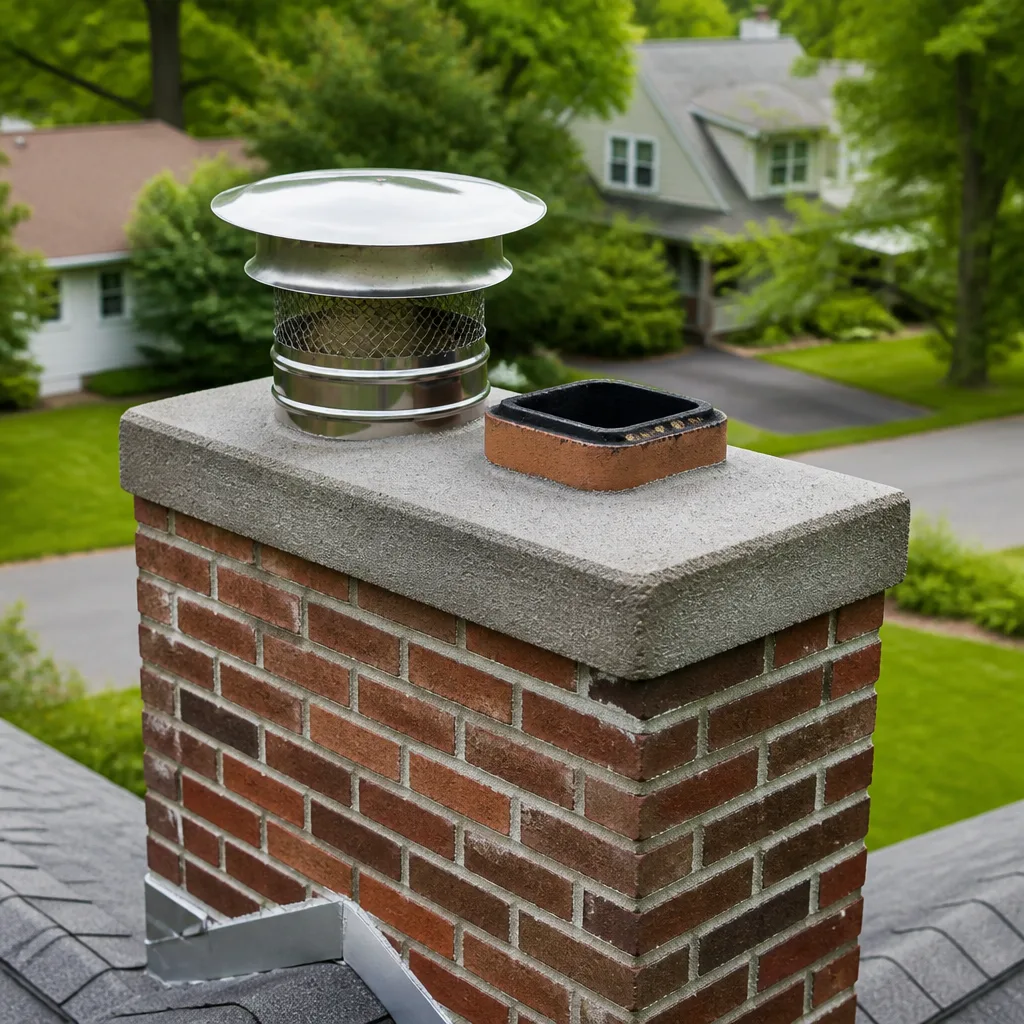
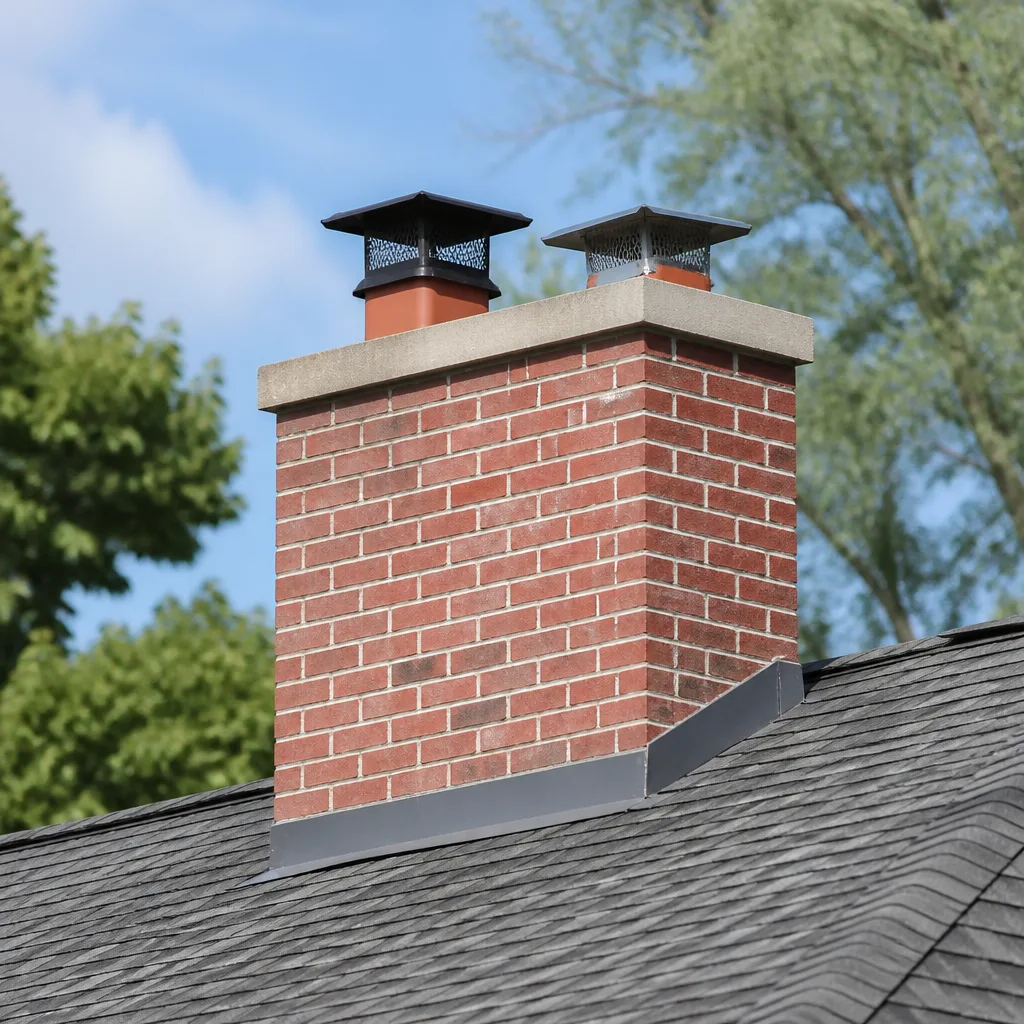
The third is a failed or missing chimney cap. A surprising number of older Rialto homes have no cap at all, or a cap so rusted that it provides no protection. Without a cap, rainwater enters the flue, birds and squirrels build nests, and debris blows in. The fix is a properly sized cap, and this is one of the areas where component choice matters. We specify caps that fit the flue tile dimensions precisely, often from Olympia Chimney or Copperfield, because a poorly fitting cap is barely better than none.
After a Level 2 inspection, homeowners sometimes ask whether they need a full liner replacement or can pursue a less invasive repair. That question deserves its own section.
Stucco Exteriors and Hidden Chimney Damage
Stucco is the dominant exterior finish in the Inland Empire, and it does something specific to chimney maintenance: it hides the masonry. On a home with exposed brick, cracks and spalling are visible from the sidewalk. On a stucco chase or a stuccoed chimney, the finish can look perfectly intact while the structure beneath deteriorates.
The failure pattern starts with the crown. The chimney crown is the concrete or mortar surface at the very top that sheds water away from the flue. In Rialto’s sun, crowns crack. Once cracked, water penetrates into the chimney structure during winter rains, and in freezing elevations the freeze-thaw cycle widens the damage, but even without freezing, the moisture weakens the mortar and can rust internal components. The stucco exterior shows none of this until the damage is advanced enough to telegraph through as staining or cracking.
What a material-literate sweep looks for is subtler. Hairline cracks in the stucco, especially around the roofline where the chase meets the roof, suggest movement. Efflorescence, the white mineral deposits that form when water moves through masonry, indicates moisture in places it shouldn’t be. Rust stains below the chase suggest failing flashing. Catching these signs early is the difference between sealing a crown crack for a few hundred dollars and rebuilding a chase for several thousand.
If your chimney is fully stuccoed and has never been inspected from the roof level, schedule an inspection before the next burning season. The visual check from the ground tells you almost nothing about a stucco system. For details on what repairs involve, see our Chimney Repair in Rialto page.
Liner Repair and DuraFlex Systems for Older Flues
When a camera inspection reveals a deteriorated or missing liner, homeowners face a decision: full replacement with a new stainless steel liner, or a restoration approach that can preserve the existing structure. Both have their place, and the choice depends on the condition of the clay tile and the surrounding masonry.
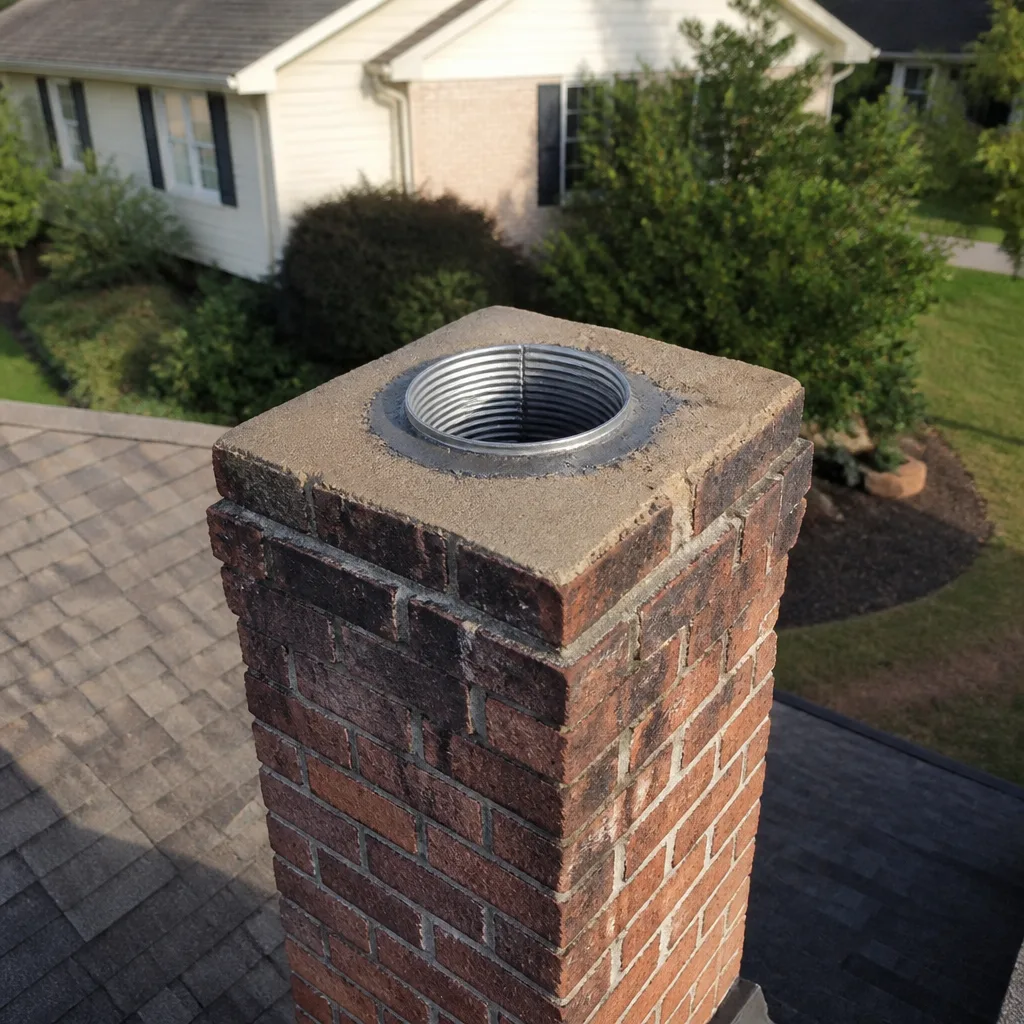
A full reline with a DuraFlex system is the standard for older Rialto homes with compromised clay tile liners. DuraFlex is a continuous stainless steel liner that runs from the appliance or fireplace up through the entire flue to the termination at the top. It’s specified by size and alloy, and it’s the same product class that certified professionals install industry-wide. The liner isolates heat and combustion gases from the surrounding structure, and it brings an old chimney up to modern safety expectations without rebuilding the masonry from scratch.
HeatShield restoration offers an alternative for systems where the clay tile is damaged but the overall structure remains sound. The process applies a ceramic coating to the flue interior, restoring a continuous, insulated surface without tearing out the old tile. It’s a specialized procedure that not every sweep performs, and it’s particularly useful for hard-to-access flues or cases where demolition would be disproportionately disruptive.
The decision between relining and restoration is one of those areas where specifying the right product matters. We carry DuraFlex, Copperfield, Gelco, and Olympia Chimney products because the parts matter as much as the labor. An incorrectly sized liner is not a minor annoyance; it changes draft performance and safety margins. A properly specified liner matches the appliance output, the flue dimensions, and the fuel type. No single liner fits every home, and the wrong choice is worse than no choice at all.
A Seasonal Sweep Schedule Calibrated to Rialto
The standard “once a year” advice ignores how Southern California homes actually use their fireplaces. Here’s a schedule that matches the Rialto burning pattern and the local climate, not a generic national checklist.
October: Pre-season sweep and Level 1 inspection. This is the single most important visit. It clears out summer debris, confirms no animals moved in, and verifies the system is safe for the first fire. If the home hasn’t had a camera inspection in three years or more, add the Level 2 scope.
January: Mid-season check for heavy burners. Homes that burn daily through the holidays should consider a mid-season sweep, especially if any smoke or drafting issues appear. This is also the time to check for creosote accumulation after the wettest and coldest stretch of the year.
April or May: Post-season assessment. After the last fire of the season, let the system cool and schedule any repairs while the weather is mild. This is the ideal window for crown repair, cap replacement, or liner work, because the roofing season in Rialto runs well into late spring and early summer before the extreme heat begins.
Summer: Off-season maintenance window. Dryer vent cleaning fits naturally into the summer calendar, since dryer usage often peaks with swim towels and summer laundry. Our Dryer Vent Cleaning in Rialto service covers this as a fire-safety issue, grounded in Famco venting knowledge rather than treated as an afterthought.
For gas fireplaces, the annual inspection can happen any time outside the burning season, but the logic of an October check still holds: it confirms the pilot, the venting, and the logs before the season begins.
See the difference
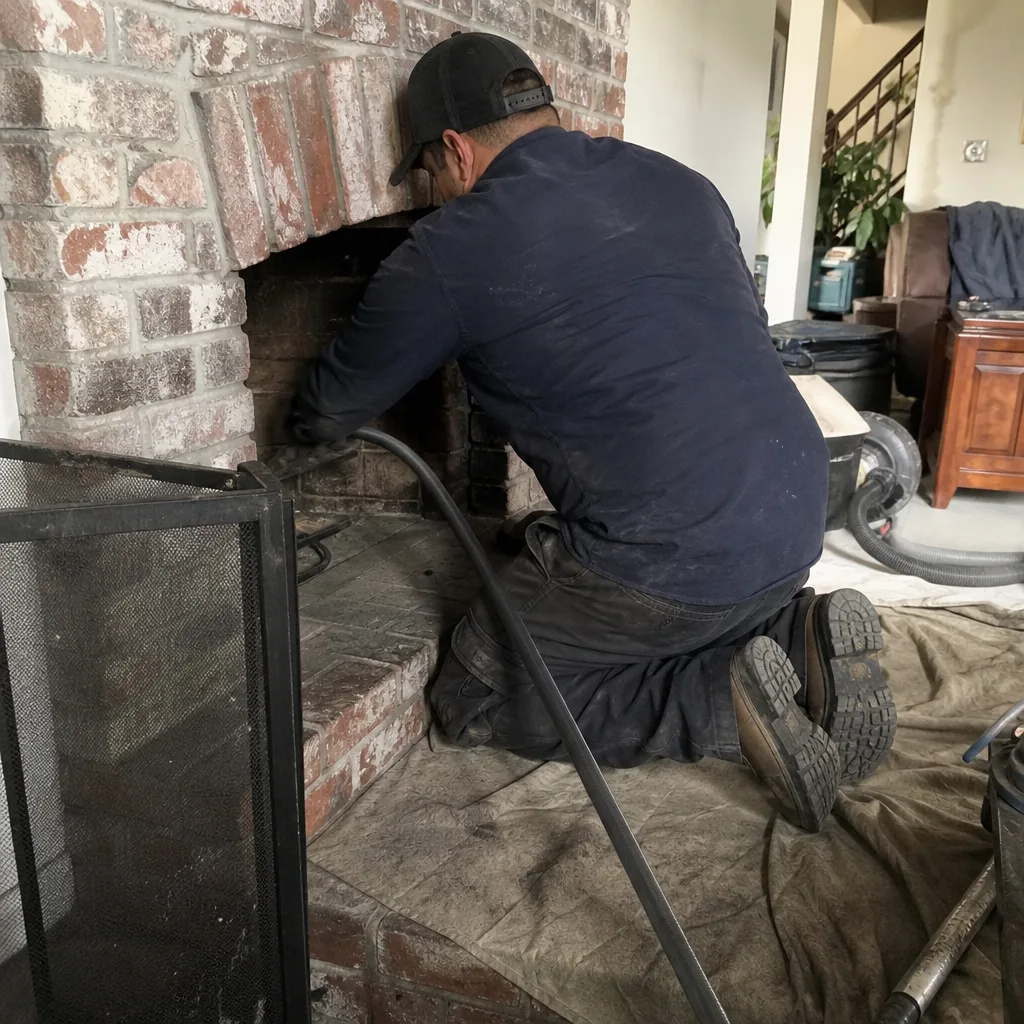 Before
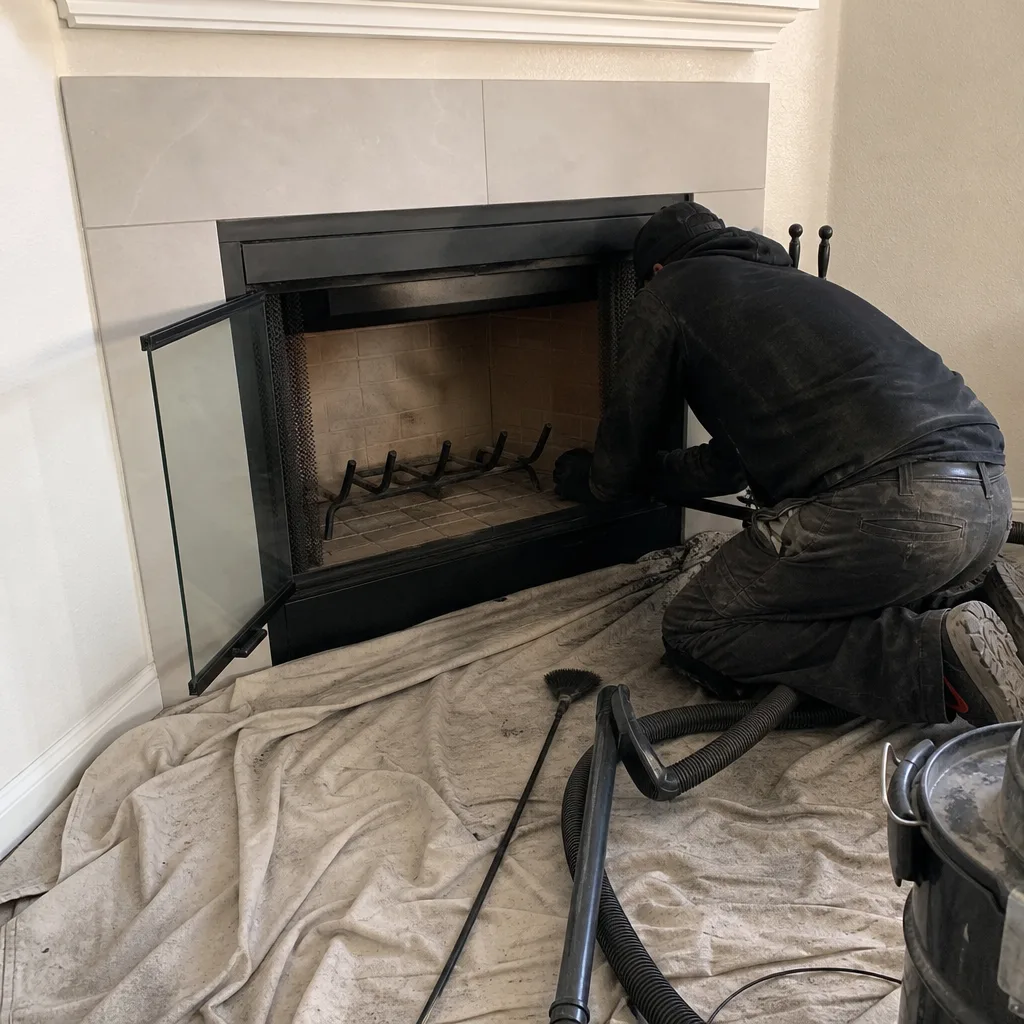 After
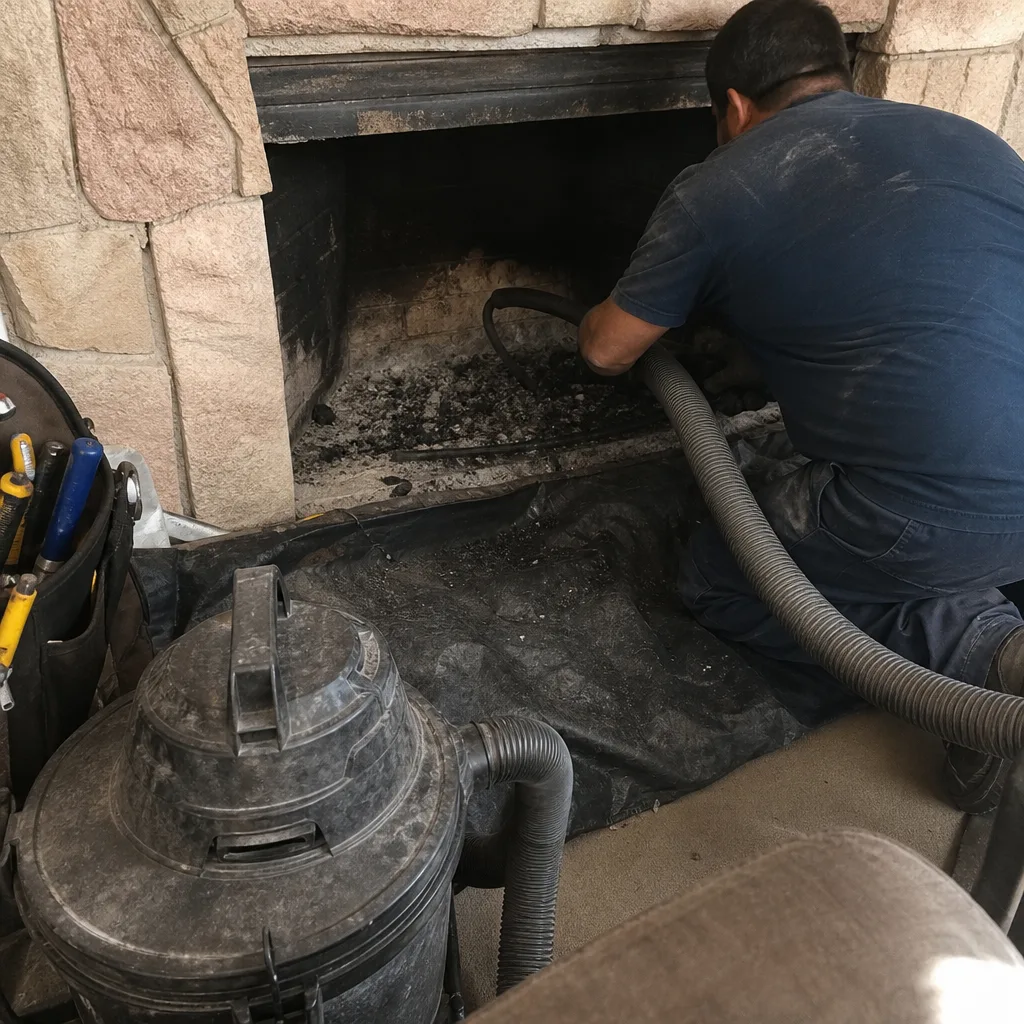 Before
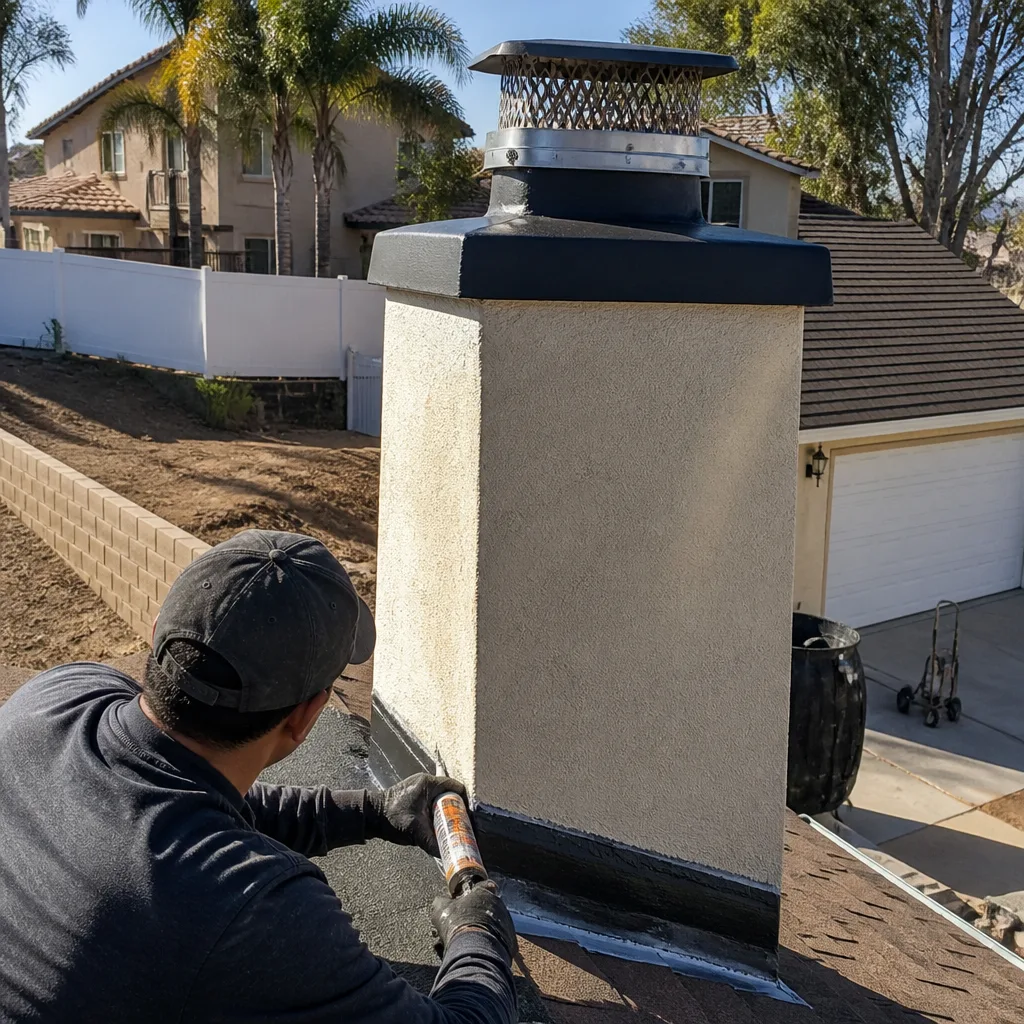 After
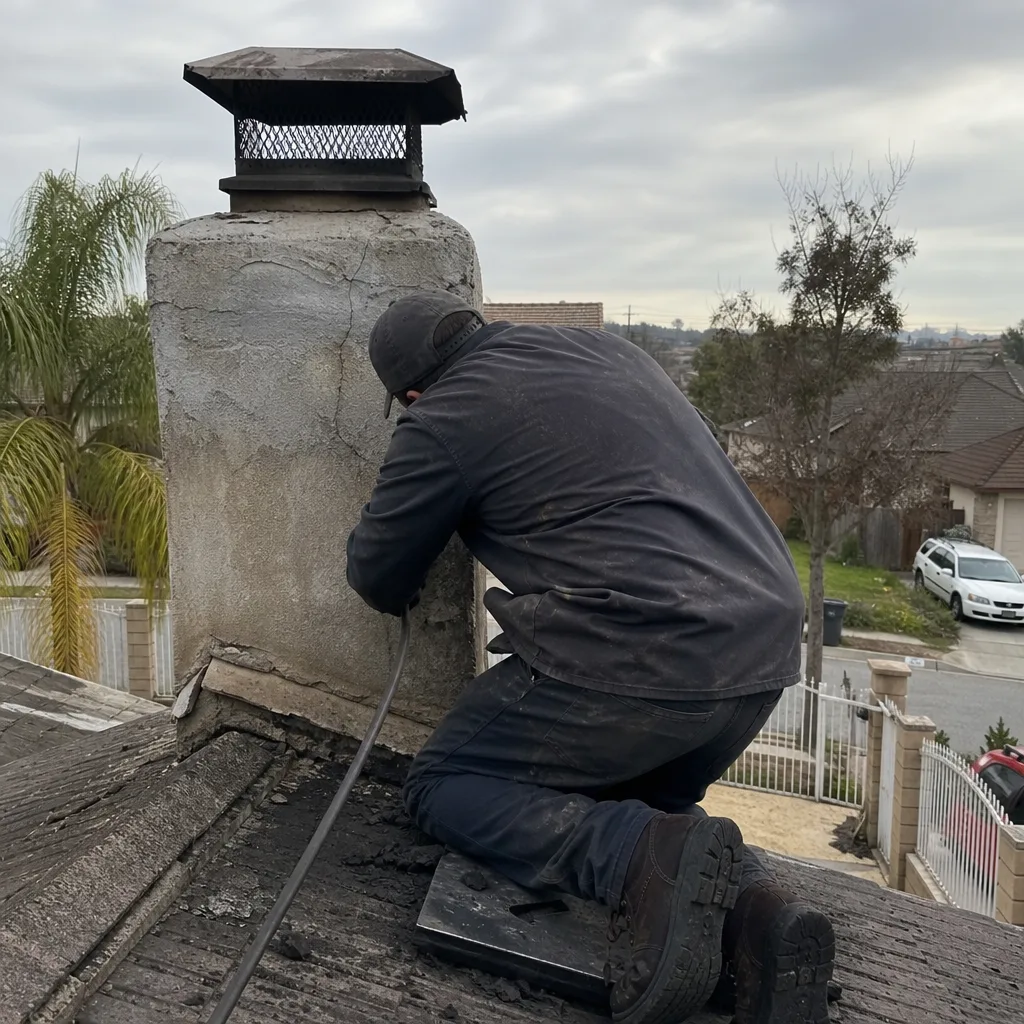 Before
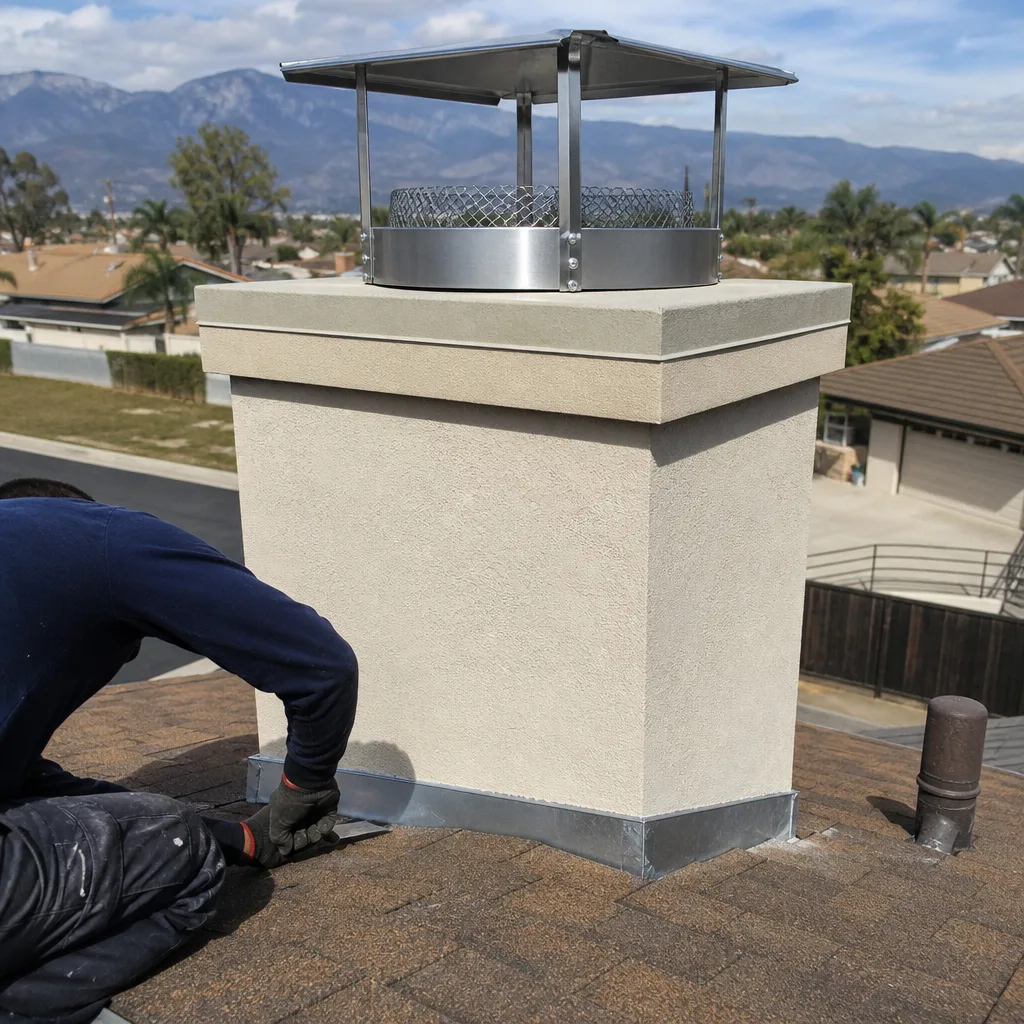 After
Why the Off-Season Creates Different Problems Than the Burning Season
Most chimney literature focuses on what happens during use: creosote builds up, you sweep it away. But the Rialto off-season has its own failure modes that a generic guide never covers.
The first is animal intrusion. Raccoons, squirrels, birds, and even rodents explore chimneys during spring and summer. A chimney without a cap or with a damaged cap becomes a nesting site, and nests are fire hazards the moment the first fire lights. We’ve removed nests that completely blocked the flue, from birds and from squirrels that entered through damaged side vents.
The second is debris accumulation from Santa Ana winds. Each wind event pushes dust, leaves, and small twigs against the chimney cap and into any gap. Over a single off-season, the accumulation can be substantial. The debris dries completely in the arid air and becomes exceptionally flammable.
The third is moisture entry through the crown. The winter rains in Rialto are brief but intense, and a cracked crown admits water into the masonry. The summer heat then drives the moisture out, but the damage cycle repeats each winter, and by the time visible staining appears, the internal deterioration is often significant.
The off-season is not “time off” for a chimney. It’s a period of slow, quiet accumulation that sets up whatever happens when the first fire is lit.
Avoiding the “Sweep and Go” Trap
The chimney service market includes plenty of low-cost operators who will clean the flue and leave without looking at anything else, so DIY vs Professional Chimney Cleaning: The Rialto Homeowner’s Decision Guide is worth reading before you choose. In Rialto’s climate, that’s a wasted appointment. The cleaning matters, but the diagnosis matters more.
What a thorough sweep includes beyond the brushwork:
- Damper inspection and operation testing, because a seized damper means no fire until it’s fixed
- Crown inspection from roof level, not from the ground with binoculars
- Cap assessment, including screen mesh condition and fit against the flue tile
- Flash inspection where the chimney meets the roof plane
- Smoke chamber evaluation for mortar breakdown and creosote accumulation
- Firebox inspection for cracked brick or compromised mortar joints
A sweep that skips these checks is not a sweep; it’s a dust removal service. The value in hiring a chimney specialist rather than a generalist handyman is that the specialist knows what specific failures look like on this specific housing stock and can specify repairs by component name and dimension.
Common Mistakes to Avoid
- Burning unseasoned wood. In Rialto’s dry climate, people assume any wood dries quickly, but improperly stacked or covered wood still holds internal moisture. Wet wood burns cooler and deposits more creosote, even in low-humidity environments. Season wood properly for at least six months, split and stacked with airflow.
- Skipping the cap. A missing or damaged cap is a standing invitation for animals, weather, and debris. The cap is one of the least expensive components of the system and one of the most consequential. Replace caps that show rust or missing screen mesh.
- Trusting a ground-level visual check. Stucco chimneys and most roof lines hide the top of the chimney from view. What looks fine from the driveway can be failing at the crown. A proper inspection happens at the roof.
- Waiting for visible smoke problems. By the time smoke backs up into the room, the system has a significant drafting issue, a blocked flue, or both. The point of a sweep is to catch problems before they produce symptoms.
- Using the fireplace as a primary heater without mid-season attention. If you’re burning daily in Rialto, you’re outside the profile the standard annual advice assumes. Mid-season checking protects against creosote accumulation that catches up faster than expected.
- Ignoring the dryer vent. A dryer that takes two cycles to finish a load is telling you the vent is restricted. Lint is highly combustible, and dryer vent fires are preventable with regular cleaning. This is a fire-safety service, not a household chore.
When to Call a Professional
Certain conditions warrant a professional inspection immediately. If smoke enters the room when the fireplace is lit, stop using the fireplace and schedule a Level 2 inspection. If you smell something like a campfire when the fireplace is cold, creosote is present in unusual quantities. If you see rust, staining, or cracks on the exterior chimney or the stucco around it, moisture intrusion has already begun. If you hear animal sounds in the chimney, or find droppings in the firebox, an animal is present and the system needs service before any fire is lit. If your carbon monoxide detector activates with the fireplace running, evacuate and call for service. For more guides & resources, visit our blog, or call Chestnut Chimney Sweep for free estimates in Rialto at (855) 360-4975.
Frequently Asked Questions
A standard chimney sweep in Rialto typically ranges from $149 to $249, with Level 2 camera inspections adding $100 to $200 depending on the system. The exact price depends on the fireplace type, the flue condition, and whether additional services like cap replacement or smoke chamber parging are needed. Call (855) 360-4975 for a precise quote; estimates are free.
Not necessarily; the answer depends on what the camera inspection reveals. Cracked clay tile liners often warrant a DuraFlex stainless steel reline, but some deterioration can be addressed with HeatShield ceramic restoration, which preserves the existing structure without tearout. A material-literate inspection tells you which path applies to your flue.
Most Rialto homes need one sweep per year, timed to October before the burning season begins. Homes that burn daily through winter may need a mid-season sweep in January, while gas fireplaces should have an annual inspection even if creosote buildup is minimal.
Creosote accumulates on the flue walls and hardens over time, debris and animal nests block the passage, and cracked crowns admit water that degrades the masonry. Each of these conditions increases fire risk or structural damage, and none of them improve by waiting. The first fire of the season is the moment a neglected chimney reveals itself.
Dry climates reduce one risk, creosote accumulation from condensation, but they increase others. Santa Ana winds deposit debris, animals seek shelter in unused flues, and stucco exteriors hide masonry deterioration. The off-season is not a maintenance holiday for a Rialto chimney.
Yes. We cover the full vertical stack: chimney sweep, structural chimney repair, and dryer vent cleaning under one appointment, which eliminates the need to coordinate three separate tradespeople. One call covers your chimney and your dryer vent, two of the most overlooked fire hazards in a home.
The Bottom Line
A Rialto chimney needs a sweep schedule that respects the local climate, not a generic national checklist. The dry heat, the Santa Ana winds, and the long off-season create specific risks that show up when the first fire is lit. Sweep in October, inspect with a camera when the home is older or the history is unknown, and pay attention to the components, because a properly specified cap, crown, and liner are what keep the system safe for decades. Clean flue. Safe home. Done right.
Written by the team at Chestnut Chimney Sweep, serving Rialto since 2012.