Last updated October 30, 2026
 Sweep & inspection
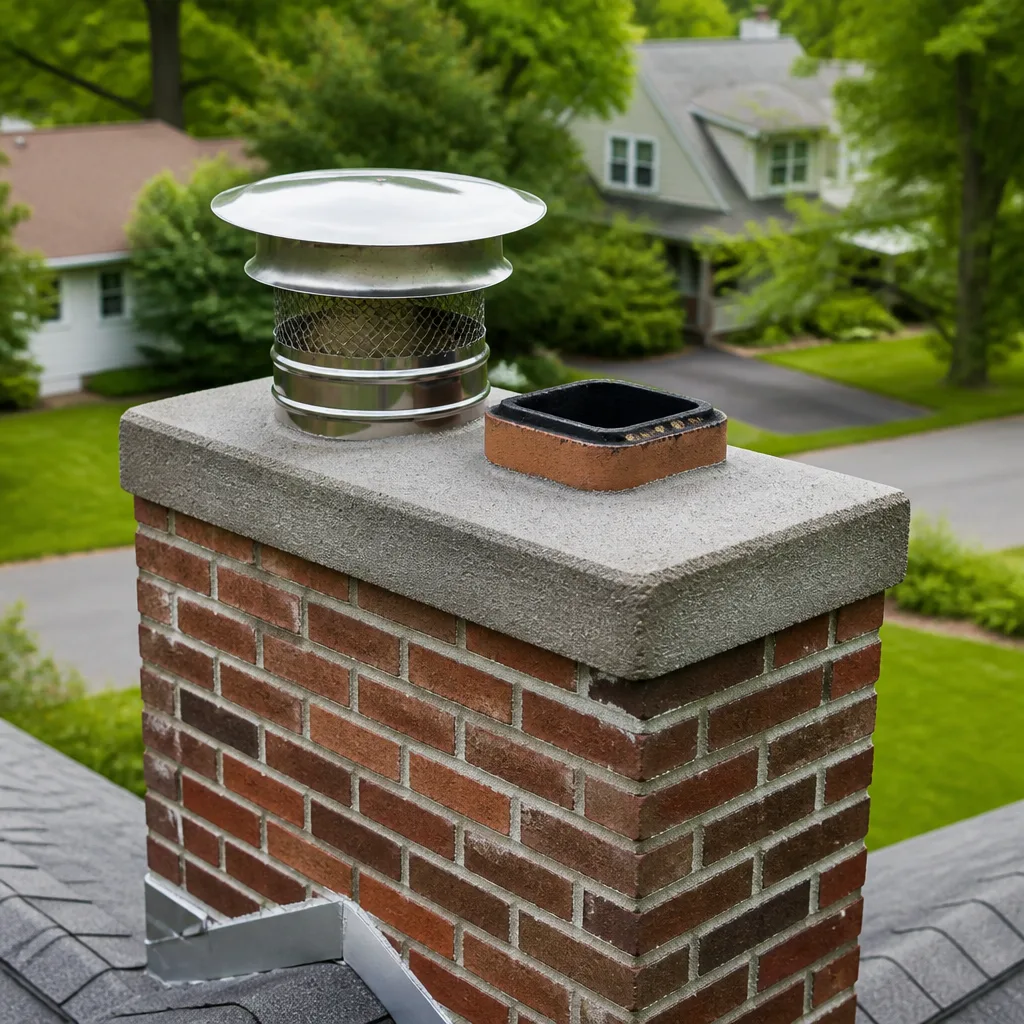
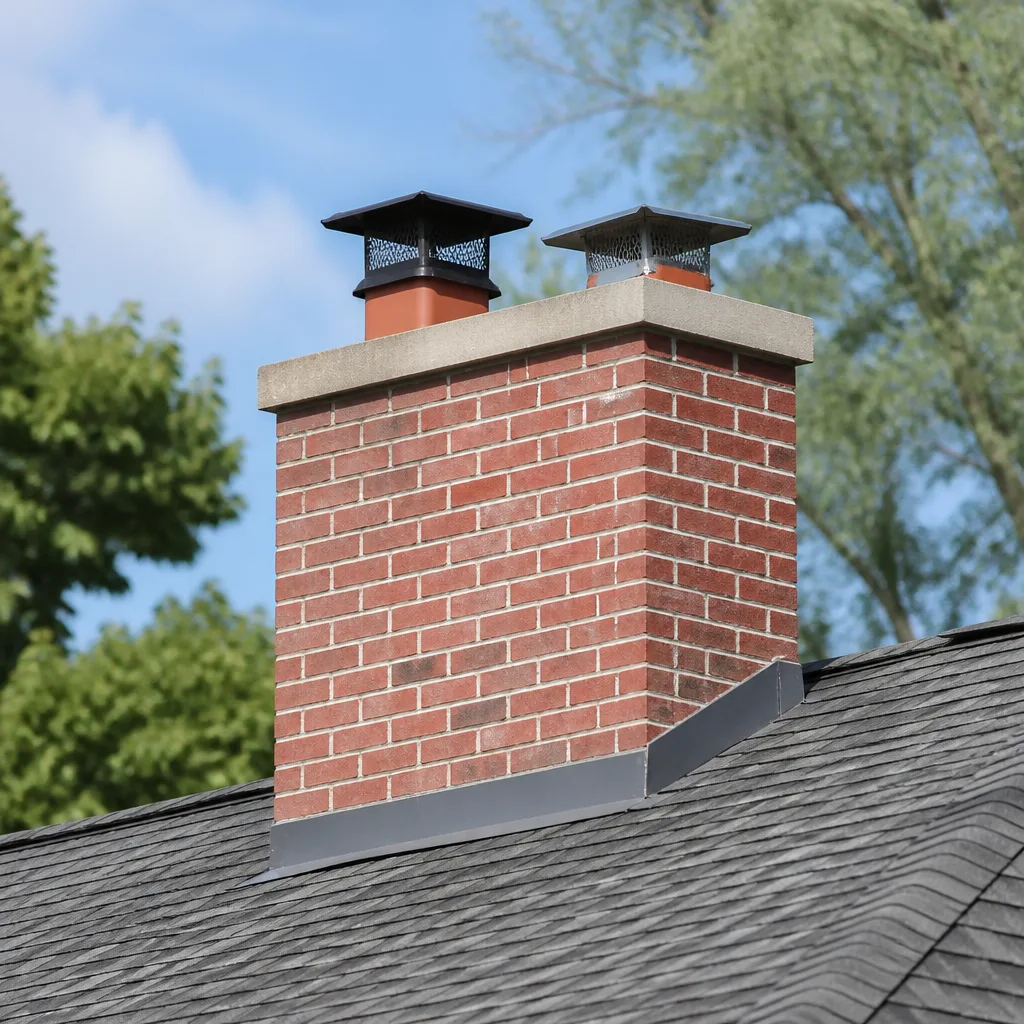 Caps & crowns
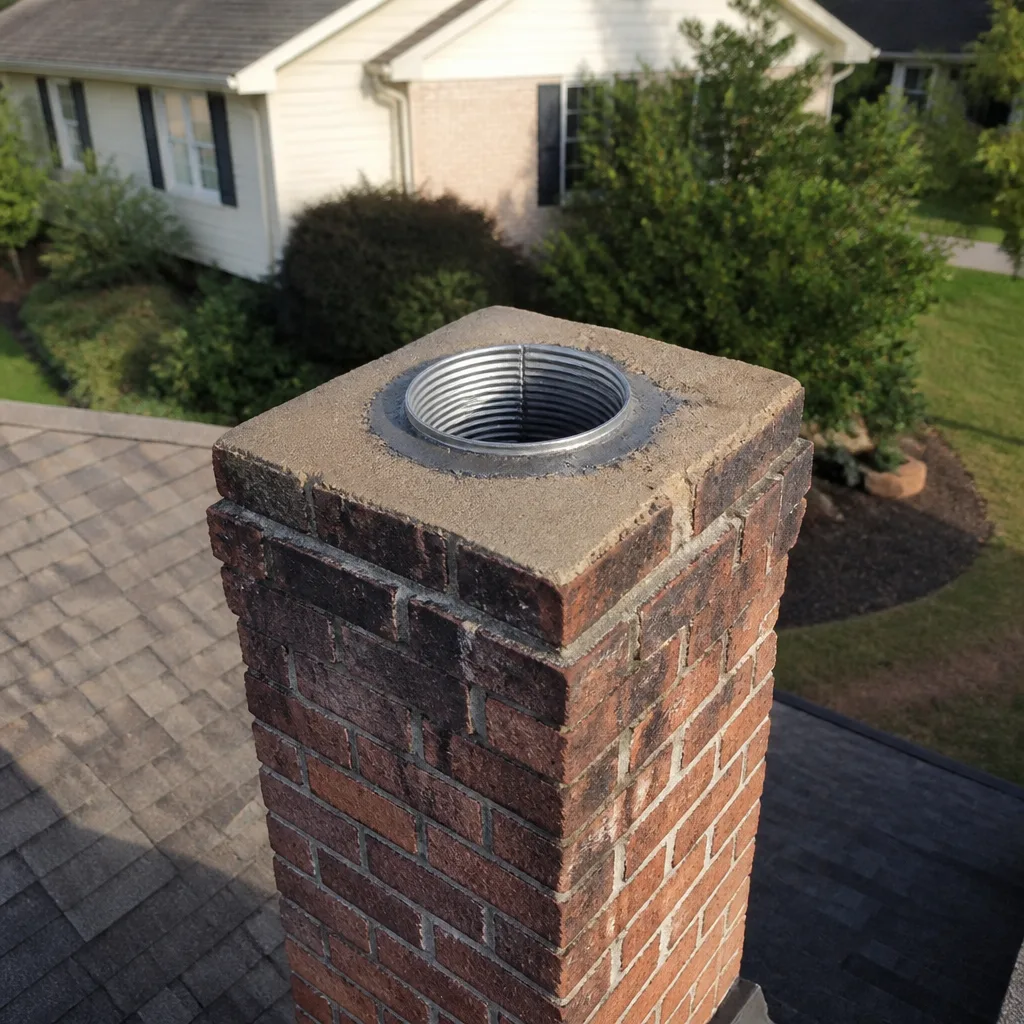 Flue relining
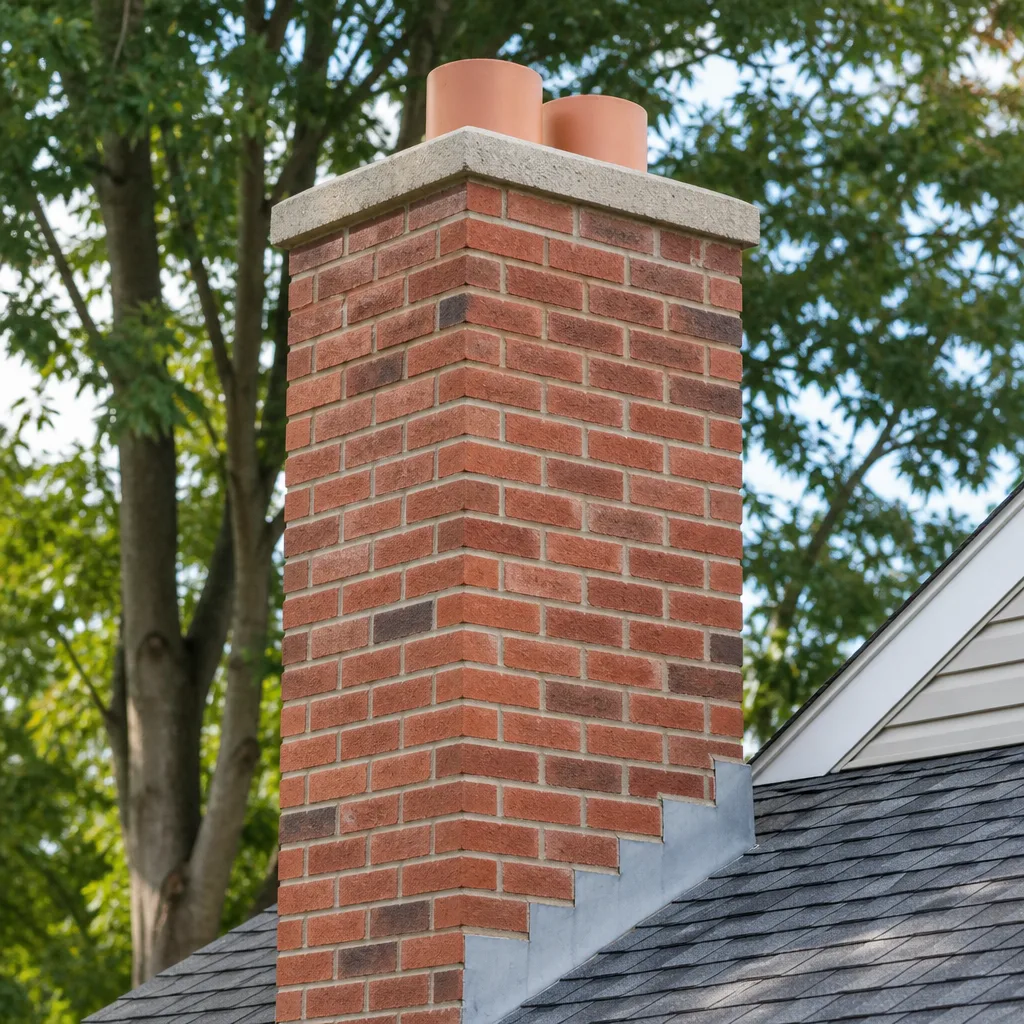 Masonry repair
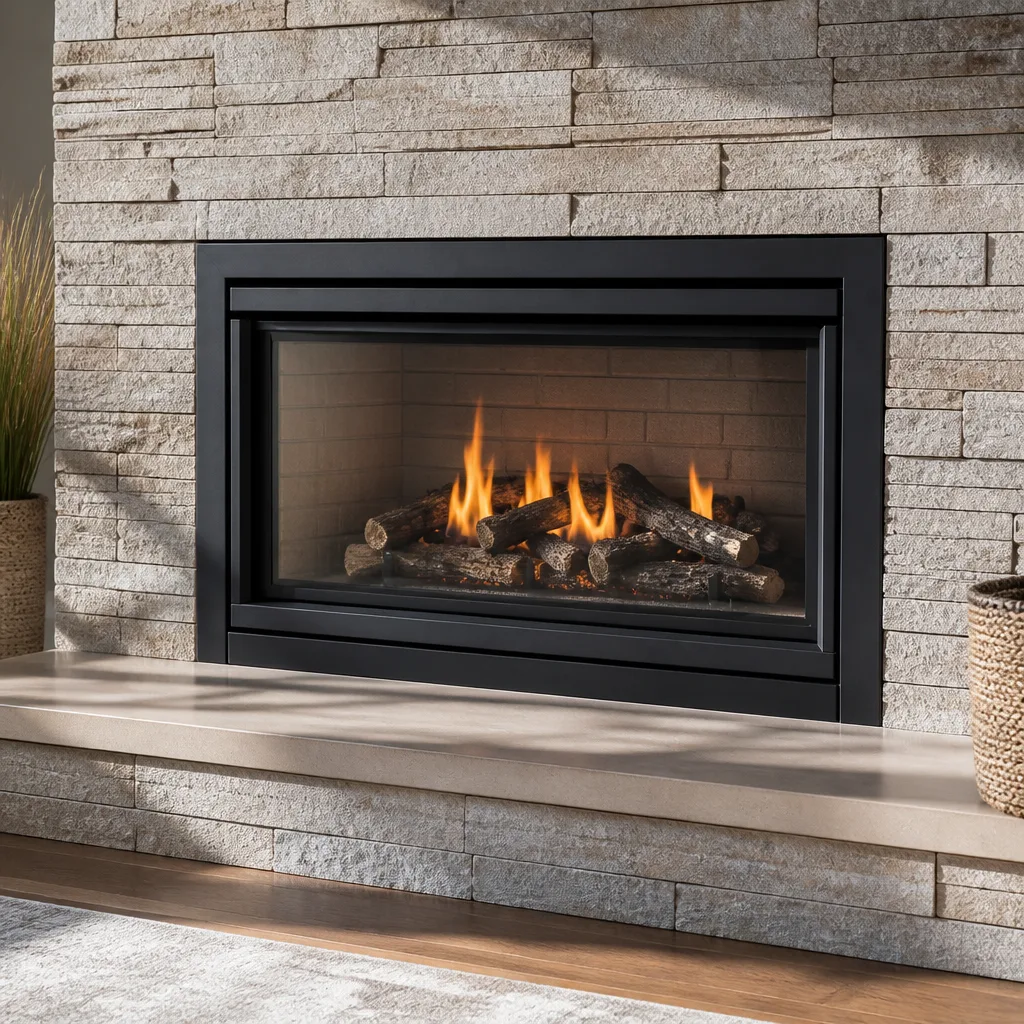 Gas fireplace service
Level 1 sweep and inspection to the NFPA 211 annual standard - flue, crown, cap, and flashing checked and photographed
Chimney sweep logs do not sweep chimneys. They loosen some creosote - which then falls where a brush and vacuum still have to collect it.
How to Hire a Chimney Cleaning Contractor in Rialto: A Step-by-Step Guide
A $49 chimney cleaning coupon is almost always loss-leader bait. The business model behind that price depends on finding something to upsell once the tech is on your roof, and in many cases the “problem” is a liner replacement you may not actually need. That single fact should reshape how you approach hiring a chimney contractor in Rialto. What follows is the exact process our team uses to evaluate our own work, laid out so you can hold any contractor to the same standard: the questions to ask, the credentials that matter, the red flags that show up most often in Southern California, and how to read an estimate line by line. For more guides & resources on protecting your home, see our blog.
Quick Answer
To hire a chimney cleaning contractor in Rialto, verify two separate credentials: CSIA certification (from the Chimney Safety Institute of America) and an active California C-61 / D-64 specialty contractor license. Then ask five specific diagnostic questions about your flue, liner condition, and draft behavior before booking, and require a written estimate that itemizes labor, materials by brand name, and any repair recommendations separately from the cleaning cost.
Styles & brands we work with
Table of Contents
- Credentials That Actually Matter in California
- How to Verify a Chimney Contractor Before You Book
- The Five Questions That Separate a Technician From a Brush
- How to Read a Chimney Cleaning Estimate Line by Line
- Red Flags Specific to the Rialto and Inland Empire Market
- Why the Brands a Contractor Carries Tell You Everything
- What a Legitimate Chimney Cleaning Should Include
- How Often Should You Actually Have Your Chimney Swept in Rialto?
Credentials That Actually Matter in California
Chimney sweeping is not a trade you learn by watching a YouTube video, and Rialto homeowners should understand the difference between a certification and a license before letting anyone onto their roof. They are not the same thing, and just one of them is not enough.
CSIA certification comes from the Chimney Safety Institute of America, the only nationally recognized credentialing body for chimney professionals. A CSIA-certified technician has passed a written exam covering fire codes, clearances, draft dynamics, and inspection standards, and they must recertify every three years through continuing education. When someone says they are “certified,” ask to see the CSIA number. You can verify it on the CSIA website in under a minute. If a contractor cannot produce a verifiable CSIA certification, that conversation should end.
California contractor licensing is a separate requirement. Chimney work in this state falls under the C-61 / D-64 limited specialty classification, which is issued by the Contractors State License Board. A CSIA certification proves technical knowledge. The C-61 license proves the person has posted a bond, carries workers’ compensation insurance, and is legally permitted to contract in California. General handyman services operating under a different classification are not licensed for chimney repair, and if an unlicensed worker is injured on your property, the liability can land on you.
The right contractor in Rialto has both: the specialized knowledge and the legal standing to do the work.
What This Means for Your Search
- Ask for the CSIA number and verify it. Legitimate technicians expect this request.
- Check the CSLB website for an active C-61 / D-64 license. Do not accept a general contractor license as a substitute.
- Confirm workers’ compensation insurance is current. Roof work and ladder work carry real risk.
- If a company hesitates on any of these, you have your answer.
We carry professional-grade equipment and trained technicians, and we are happy to show credentials before any appointment. The verification should never feel awkward. If it does, that is information too.
How to Verify a Chimney Contractor Before You Book
Verification is not a personality test. You are not deciding whether you like the person on the phone. You are confirming that the person who shows up at your Rialto home is legally permitted to be there and technically capable of diagnosing what they find. Here is the step-by-step process we recommend to every homeowner we talk to:
- Get the full legal business name. A DBA like “Rialto Chimney Pros” means nothing by itself. Ask for the corporate entity behind it. That is the name you will look up.
- Run the CSLB license check. The Contractors State License Board has a free online lookup. Enter the name and confirm the classification is C-61 / D-64 and the status is active. Suspended or expired licenses are clear disqualifiers.
- Verify CSIA certification separately. The CSIA website has a “Find a Certified Professional” tool. Cross-reference the technician who will actually do the work, not just the company owner. A company can advertise CSIA certification while sending uncertified employees to your home.
- Ask who performs the service. Will the certified technician be on site for the full appointment? Or does the company just have one certified person somewhere in the organization? The distinction matters when a liner crack gets misdiagnosed.
- Request proof of insurance directly. Ask for a certificate of insurance naming you as the certificate holder. Legitimate contractors can email this in minutes. Anyone who gets defensive is not someone you want on your roof.
This process takes about 15 minutes. It is the single best use of your time before hiring anyone to work on a system that vents fire byproducts out of your house.
The Five Questions That Separate a Technician From a Brush
Once you have verified credentials, the next step is a phone call. What you are listening for is not salesmanship. You are listening for whether this person can diagnose, not just clean. A chimney sweep removes soot. A chimney technician understands what the soot is telling them. These five questions reveal the difference within two minutes.
Question 1: “What type of flue liner do I have, and what condition is it in?”
A real technician asks this question back to you: “Do you know if you have a clay tile liner or a stainless steel one?” A brush-slinger skips straight to scheduling and price. The liner is the most important component of your chimney. If the person you are hiring cannot talk about liner types and failure modes, they cannot evaluate your system.
Question 2: “Do you perform a Level 1 or Level 2 inspection with the cleaning?”
There are three levels of chimney inspection defined by the National Fire Protection Association. Level 1 is a visual check of accessible areas. Level 2 adds video camera inspection of the flue interior, and it is required by code when the chimney changes hands or after an event like a chimney fire or earthquake. A contractor who cannot explain the difference is not following industry standards. A contractor who includes video inspection in every cleaning is doing it right.
Question 3: “If you find a crack in the flue liner, how would you propose to fix it?”
Listen carefully here. The wrong answer is “full liner replacement, that will be $8,000.” The right answer mentions options: a stainless steel liner like DuraFlex if the damage is severe, or a HeatShield cerfractory restoration if the damage is localized and the original liner is otherwise sound. A contractor who knows only one solution to every liner problem is not diagnosing. They are selling.
Question 4: “What brands do you install for caps, dampers, and liners?”
A specialist answers immediately: Olympia Chimney, Copperfield, Famco, Gelco. A generalist says “whatever the supply house has.” The brands a contractor carries tell you whether they think about chimney systems as an assembly of engineered components or as a hole in the roof that needs a brush. Specificity is the signal.
Question 5: “Will I get photos or video of anything you find?”
The correct answer is yes, and it should be automatic, not an upsell. A camera inspection is the only way to see the flue interior, and any contractor who recommends a $3,000 repair without camera evidence is asking you to take their word for it. In our experience, we never recommend a repair without showing the homeowner exactly what the camera sees.
How to Read a Chimney Cleaning Estimate Line by Line
A written estimate is a diagnostic document disguised as a price quote. How a contractor writes it tells you as much about their competence as anything they say on the phone. Here is what should appear in a legitimate chimney cleaning estimate for a Rialto home:
- Cleaning fee, flat rate. A standard sweep in the Inland Empire market typically runs $180 to $350 for a standard fireplace with one flue. If the estimate says $49, understand what you are actually buying: a foot in the door.
- Inspection level stated. Look for “Level 1 inspection included” or “Level 2 inspection included.” If the word “inspection” appears nowhere on the estimate, ask why.
- Materials line items named by brand. A replacement cap, damper, or flashing should specify the manufacturer. “Cap, 12×12, galvanized” is vague. “Olympia Chimney 12×12 stainless steel cap” is a spec.
- Labor hours and scope. If repairs are recommended, the estimate should break out labor separately from parts. A single blob number with no explanation is a red flag.
- Photographic evidence included. The estimate should state that any recommended repair will be documented with camera photos or video shared with you before you approve the work.
Vague Charges That Should Trigger a Follow-Up
- “Flue treatment” – What exactly is being applied, and why? There are legitimate products that seal minor flue gaps, but the term itself is meaningless without a product name.
- “Chimney restoration” – Restoration of what? Mortar joints? Liner? Crown? The estimate should say.
- “Safety inspection fee” – A basic visual safety check should be part of the cleaning, not a separate line item.
- “Miscellaneous materials” – This is a blank check. Ask for a complete list.
The rule in our own work: nothing gets recommended without camera evidence the homeowner can see for themselves, and nothing gets billed without explicit approval. If an estimate does not give you that same clarity, get another estimate.
Red Flags Specific to the Rialto and Inland Empire Market
Southern California chimney work has its own ecosystem of bad actors, and Rialto homeowners face patterns that someone in Minneapolis or Boston never sees. These are the warning signs we hear about most often from customers who call us after a bad experience:
- Door-to-door sweep offers after wildfire season. Every year, after the Santa Ana wind season and the fires that come with it, out-of-area contractors materialize in the Inland Empire offering “post-fire chimney inspections.” Some are legitimate. Many are not. Always ask for a California license number and verify it. A legitimate contractor serving Rialto has a local presence, not a magnetic sign on a rental van.
- Photo-less inspection reports. A contractor who recommends a $4,000 repair but cannot produce a single image of the problem is asking you to finance their opinion. Camera technology is standard equipment. There is no excuse for an invisible diagnosis.
- The “your liner is cracked” phone call. A variant of the coupon bait: the contractor quotes $99 on the phone, then calls from your roof to say the liner is cracked and the repair must happen today, at a “discount” price. A legitimate technician documents the crack, shows you the footage, and gives you time to decide. Pressure to commit on the spot is a sales tactic, not a safety finding.
- Exhaustive “free inspection” offers. The inspection is not free. It is a lead-generation funnel. The person performing it is a salesperson, not a technician. The goal is to find a problem, any problem, that justifies the visit. Real chimney companies charge for their expertise and include inspection with the cleaning they are already performing.
- Contractors who cannot name a single liner manufacturer. Ask the person on the phone about liner brands. If you get silence, or “we use whatever’s best,” you are talking to a generalist. A chimney specialist knows that a 316L stainless steel liner from DuraFlex and an aluminum liner from a hardware store are not interchangeable.
- Cash-only pricing with no written estimate. Legitimate contractors in California operate with contracts and paper trails. Anyone who only takes cash and refuses to put anything in writing is not someone to invite onto your property.
Why the Brands a Contractor Carries Tell You Everything
There is a question that cuts through more noise than any review or rating: “What brands do you install?” The answer reveals how a contractor thinks about chimneys.
A generalist thinks of a chimney as a hollow column that needs occasional cleaning. A specialist thinks of it as an assembly of engineered components: the flue liner, the cap, the damper, the flashing, the crown. Each component has a manufacturer, and the manufacturers are not equal. DuraFlex makes stainless steel chimney liners engineered to UL standards. Copperfield makes chimney caps and chase covers that fit precisely. Olympia Chimney supplies the components that certified technicians have used for decades. Famco makes venting and duct components for dryer and appliance exhaust. Gelco makes the caps and terminations that protect the top of the flue.
These are the brands on our vehicles, and they matter. A liner is the barrier between hot combustion gases and the combustible framing of your house. That is not a place for whatever was cheapest at the supply house that morning. When a contractor specifies the brand, they are demonstrating that they understand the performance characteristics and limitations of what they are installing. When they cannot, the parts become a lottery.
We carry DuraFlex, Copperfield, Gelco, and Olympia Chimney products because the parts matter as much as the labor. The person sweeping your flue may do a fine job with a brush, but when the camera finds a cracked tile liner or a failed cap, you want someone who reaches for a known component, not an anonymous aftermarket substitute.
Ask the question before you hire. If the contractor cannot name their preferred liner brand, cap manufacturer, and damper supplier, keep looking. That single answer separates a Chimney Sweep in Rialto who can diagnose from a handyman with a brush.
What a Legitimate Chimney Cleaning Should Include
When we clean a chimney, our process follows a specific sequence. It is not proprietary magic. It is the standard that any competent contractor should be able to describe in advance. Here is what a proper sweep and inspection in Rialto looks like:
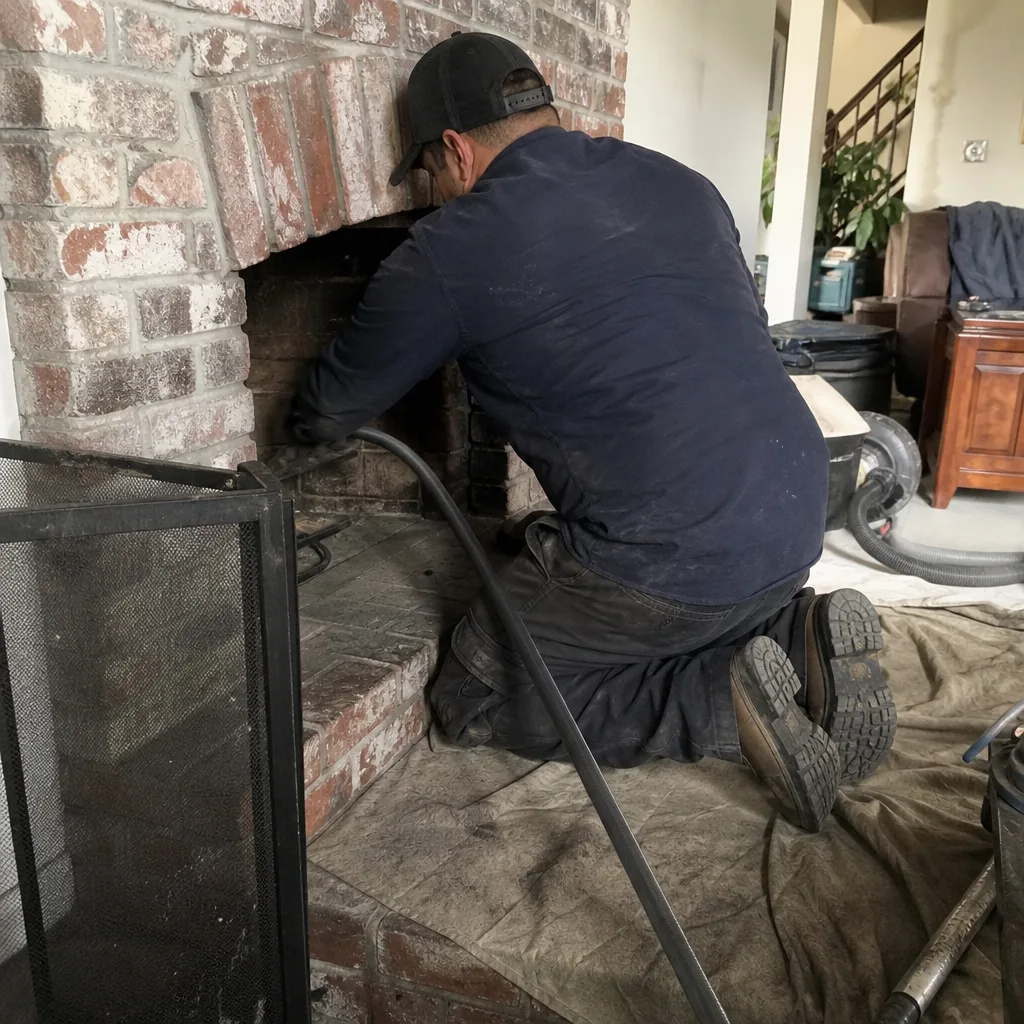
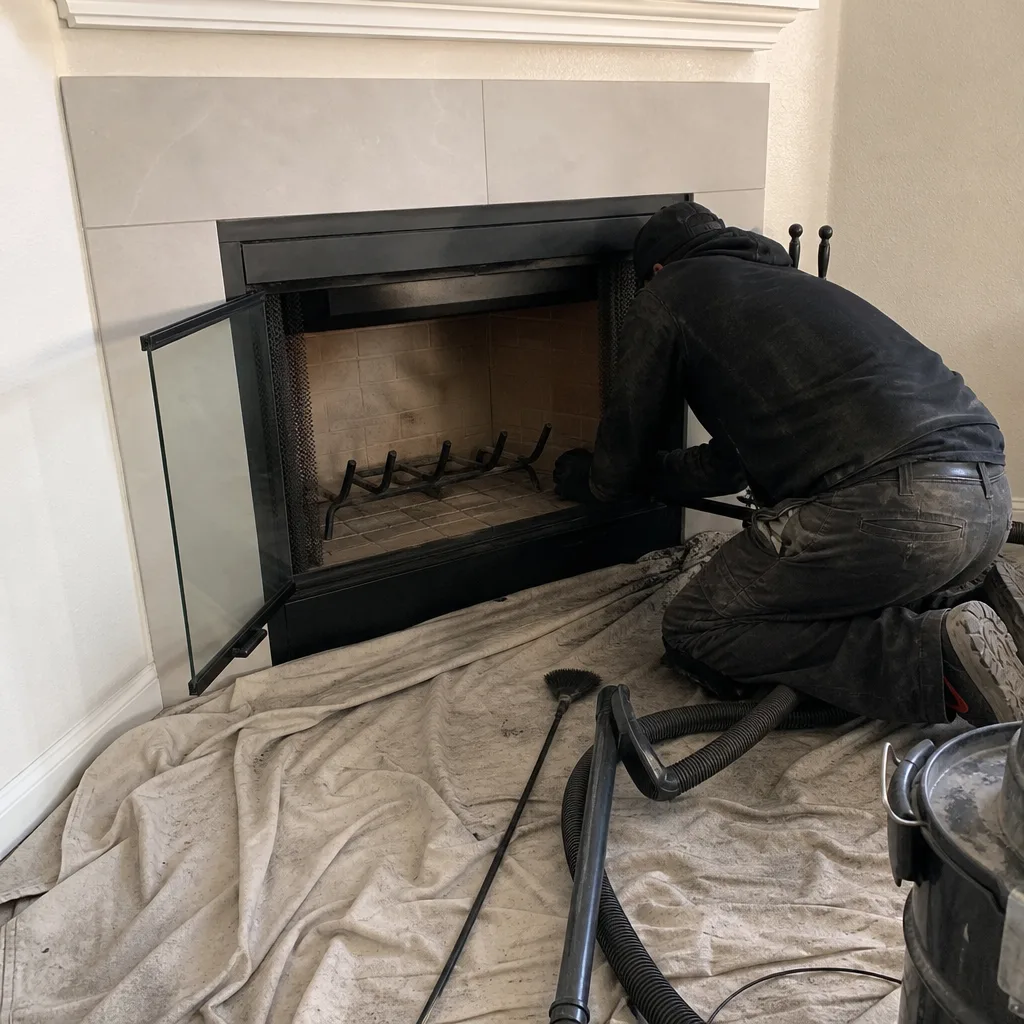
- Setup and protection. The technician lays drop cloths around the fireplace opening, covers nearby furniture, and positions a high-powered vacuum with a HEPA filter to control dust. If a contractor shows up without dust controls, that is a problem.
- Visual inspection of the accessible chimney exterior. This includes the crown, the cap, the flashing where the chimney meets the roof, and the mortar joints on the chimney chase. Cracks, spalling brick, and rusted flashing get noted and photographed.
- Interior flue cleaning. The technician runs chimney brushes sized to the flue from top to bottom, removing soot, creosote, and any debris. The vacuum stays running throughout.
- Camera inspection of the flue interior. This is the step that separates a sweep from a diagnosis. The camera looks for cracked clay tiles, gaps in mortar joints, damaged stainless steel, and creosote buildup that indicates a chimney fire risk.
- Written report with a recommendation. You receive a summary of what was found, what was cleaned, and what if anything needs attention. The recommendation includes photos and a separate estimate, never a verbal upsell from the top of a ladder.
If a contractor’s process does not include camera inspection as standard, ask why. The camera is the only way to see what is happening inside the flue, and flue failure is often invisible from the fireplace opening.
How Often Should You Actually Have Your Chimney Swept in Rialto?
The standard answer from the National Fire Protection Association is once a year, and for most Rialto homes that is the right guidance. But the real answer depends on how you use your fireplace. Our Seasonal Chimney Cleaning Care for Rialto: Year-Round Homeowner’s Guide breaks down what to schedule and when.
Homes that burn wood three or more times a week during the cooler months should be swept every year, without exception. Creosote builds up in direct proportion to how much wood you burn, and Rialto’s mild winters mean a fireplace used heavily during the short cold season can accumulate enough creosote in one season to create a real fire hazard.
Homes with gas or pellet fireplaces can go two to three years between cleanings, but should still get an annual visual inspection. Gas fireplaces produce less creosote, but they can develop other problems: soot buildup on logs, failed thermocouples, birds or rodents nesting in the flue during the off-season.
Any home that does not know when the chimney was last swept should schedule a cleaning before the first fire of the season. This is not an upsell. It is the difference between discovering a blocked flue in September, when the weather is pleasant and the schedule is open, versus discovering it in January when the fireplace is the only thing keeping the living room warm. Our Chimney Cleaning Emergency Preparedness Guide for Rialto Homes explains how to avoid winter surprises.
Rialto’s climate also creates a specific dynamic: long stretches of disuse between seasons. Masonry absorbs moisture during the rainy months, and that moisture can damage mortar joints over time. Dryer vent cleaning falls under the same logic. The Dryer Vent Cleaning in Rialto service we offer treats accumulated lint as a fire hazard, which it is. Lint restricts airflow, the dryer runs hotter, and the risk climbs. One call covers your chimney and your dryer vent, two of the most overlooked fire hazards in a home.
Common Mistakes to Avoid
- Hiring on price alone. The cheapest sweep in Rialto is often the most expensive by the time the visit is over. The $49 coupon exists to get someone on your roof with a sales script.
- Skipping the license check. A CSIA certification proves knowledge. A C-61 / D-64 license proves the person is legally allowed to work on your home in California. You need both.
- Accepting a verbal quote with no written estimate. If it is not in writing, it did not happen. A verbal agreement offers you no protection if something goes wrong or the price changes mid-job.
- Allowing repairs without seeing camera evidence. Nothing should be recommended that the camera has not documented. Any contractor who asks you to trust their word over their footage is not acting in your interest.
- Ignoring the chimney for years, then panicking when something is found. A chimney that has not been inspected in five years will almost always have something to note. Small issues caught early cost hundreds. The same issues ignored for a decade cost thousands.
- Treating chimney repair and chimney cleaning as the same service. A good cleaning company may not be qualified for structural repairs. A good repair company may not be thorough with cleaning. Ask what the contractor actually does. We cover the full vertical stack, from Chimney Repair in Rialto to cleaning and dryer vents, under one appointment.
- Assuming all stainless steel liners are the same. They are not. Alloy grade, wall thickness, and manufacturer matter. A contractor who cannot tell you the difference between 316L and 304 stainless is not someone to trust with a liner install.
See the difference
 Before
 After
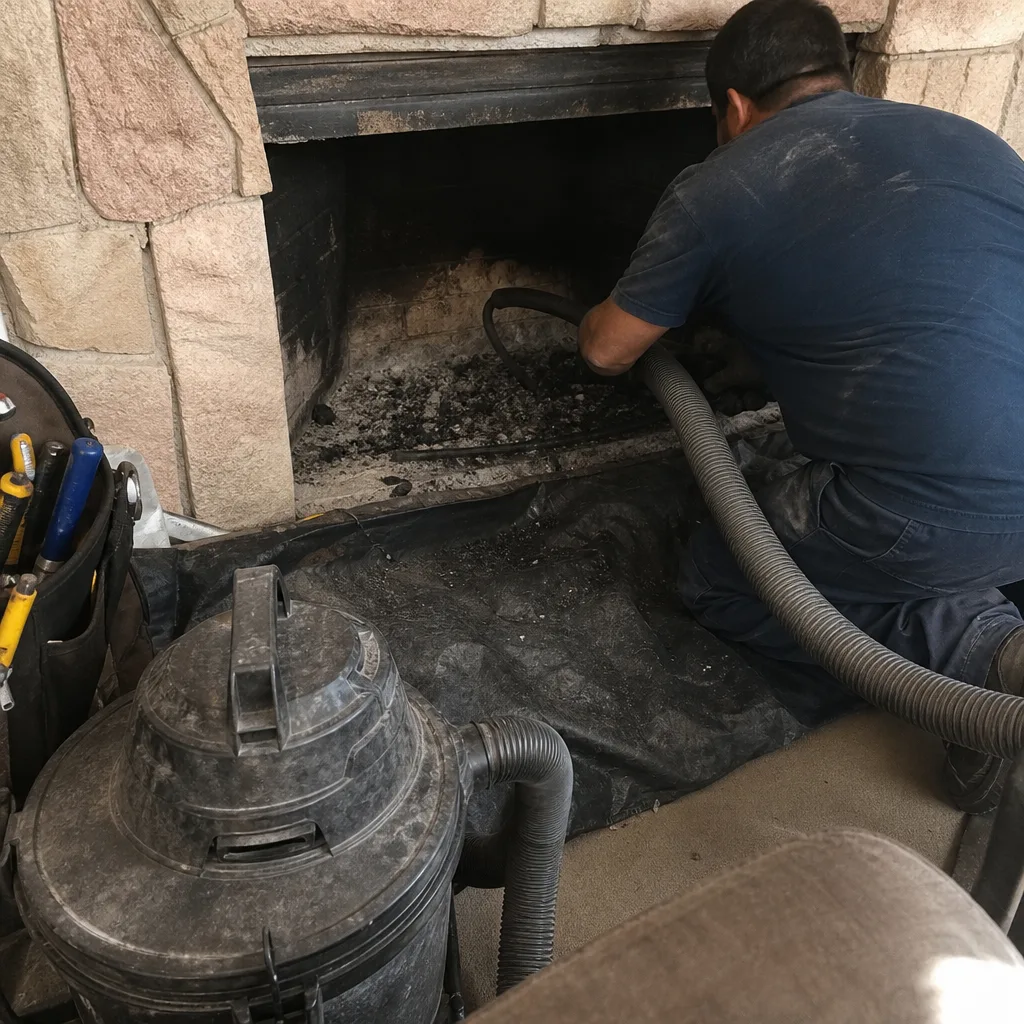 Before
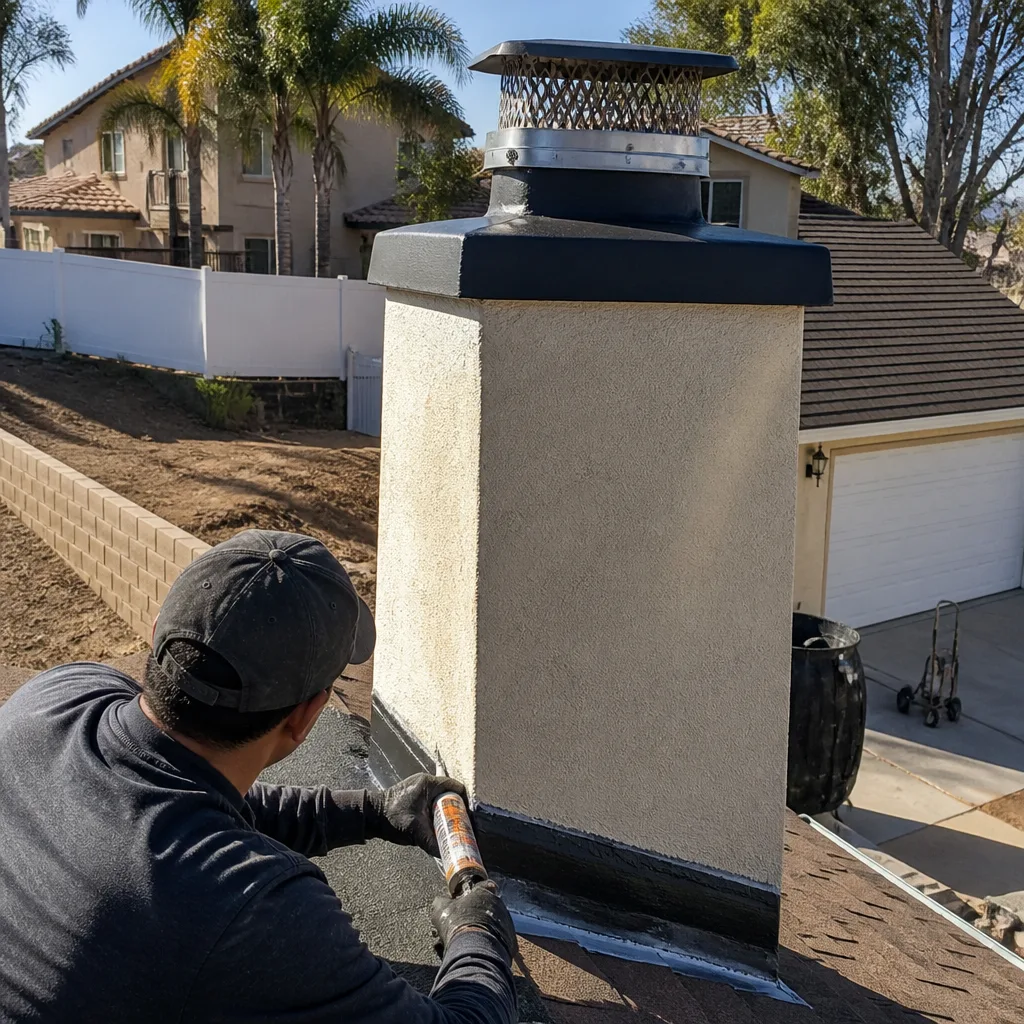 After
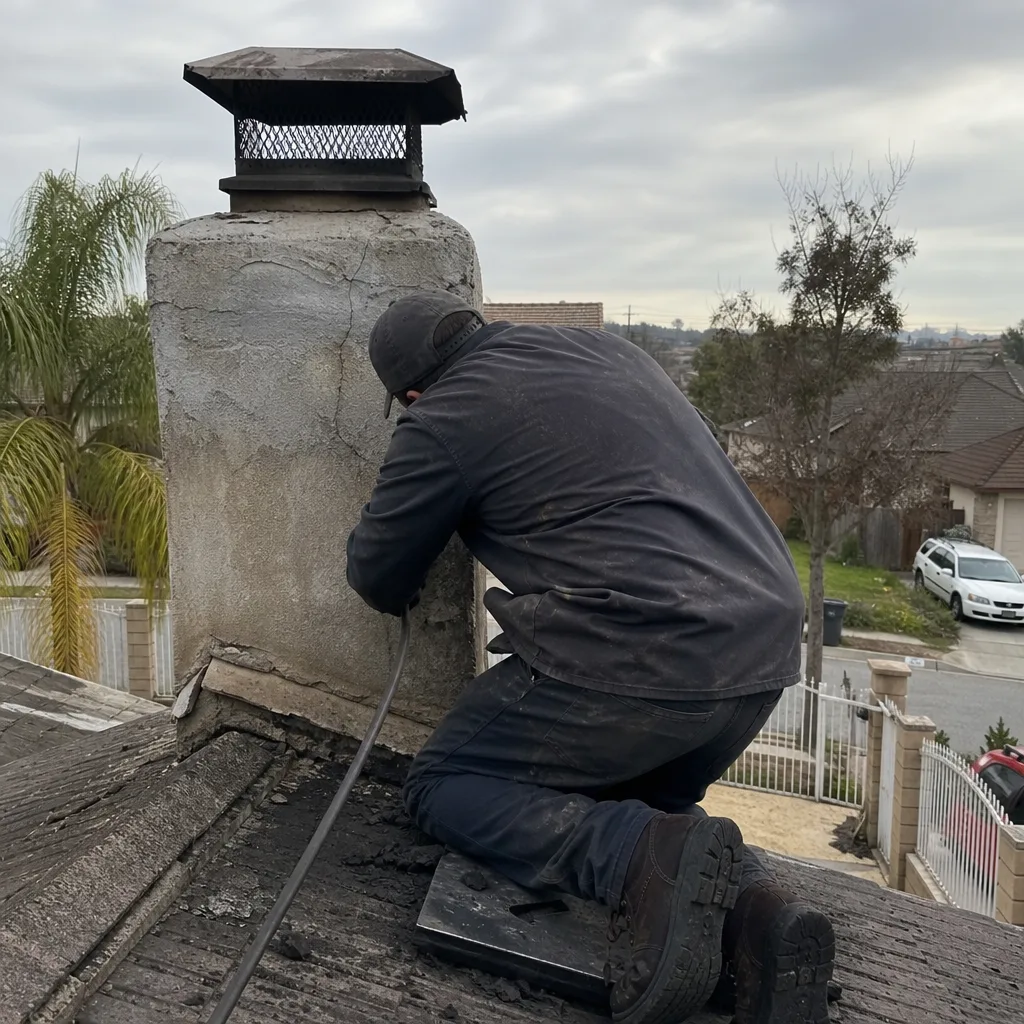 Before
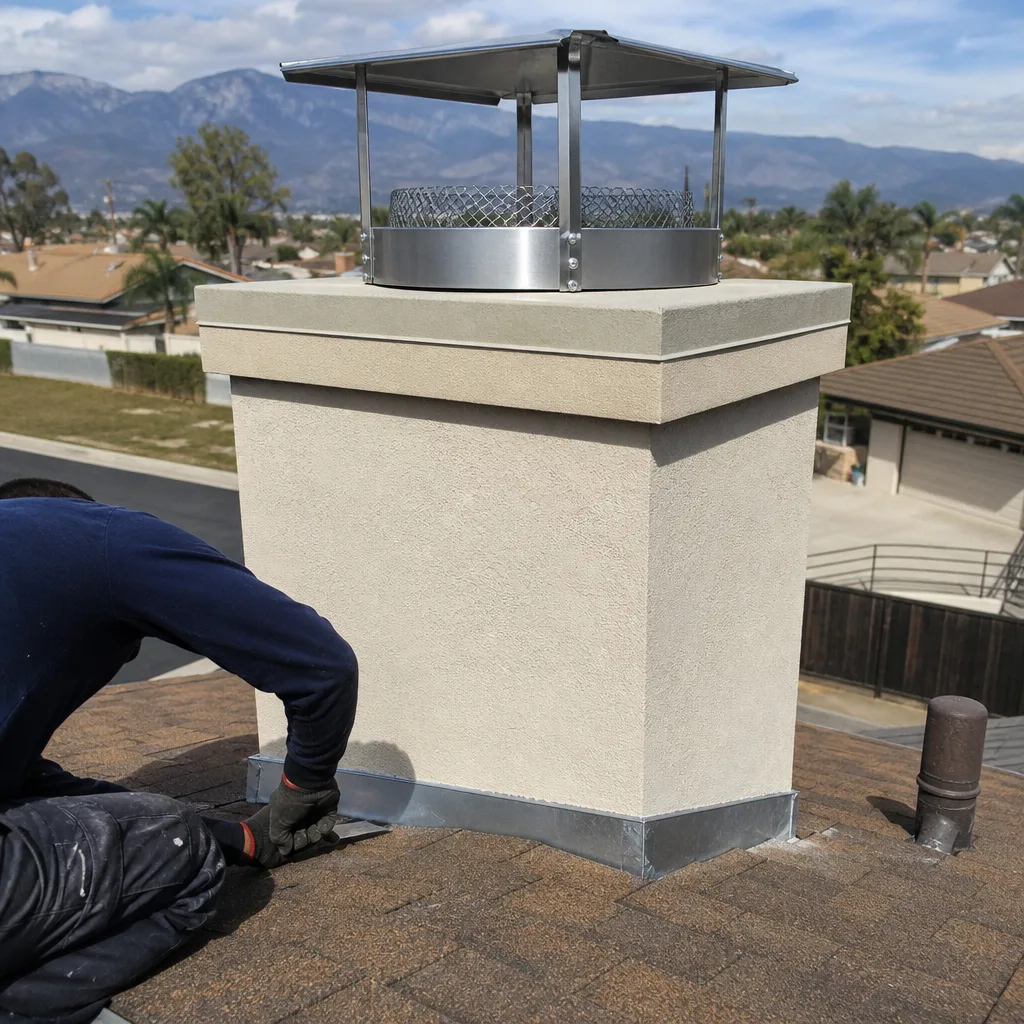 After
When to Call a Professional
Some situations are not DIY territory, and Rialto homeowners should know the line. Call a professional if you see white or brown staining on the chimney exterior, which indicates moisture penetration through failed masonry. Call if you smell smoke or a campfire odor in the house when the fireplace is not in use. Call if you hear animals in the flue or see debris falling into the firebox. Call if your fireplace produces smoke back into the room, which can signal a draft problem, a partial blockage, or a liner that has failed. These are all signs of a system under stress, and the right response is a camera inspection from a qualified technician. Chestnut Chimney Sweep offers free estimates in Rialto. Call (855) 360-4975 and tell us what you are seeing. We will tell you honestly whether it needs attention now or can wait.
Frequently Asked Questions
A standard chimney cleaning in Rialto typically costs between $180 and $350 for a single flue with a standard fireplace, and that price should include a visual inspection. See our Chimney Cleaning Cost Breakdown: The Rialto Homeowner’s Reference for 2026 for full pricing details. Repairs, liner work, or cap replacement are additional and should be itemized separately on a written estimate. Call (855) 360-4975 for an exact quote. Estimates are free.
Not necessarily. A cracked clay tile liner may be repairable with a product like HeatShield, which restores the flue surface without full replacement, or it may need a stainless steel liner like DuraFlex if the damage is extensive. Request the camera footage and ask why the recommended approach was chosen. A second opinion costs less than an unnecessary $6,000 replacement.
Wood-burning fireplaces should be swept every year. Gas or pellet fireplaces can go two to three years between cleanings but should still get an annual inspection. If you do not know when your chimney was last swept, schedule before the first fire of the season.
Creosote builds up on the flue walls. If enough accumulates, it ignites and you have a chimney fire, which damages the liner, can spread to the roof structure, and may require complete chimney replacement. A more common outcome is gradual liner deterioration that goes unnoticed until the repair is expensive.
No, but it is the industry standard for technical competence. California requires a C-61 / D-64 specialty contractor license for chimney work. The best situation is a contractor who holds both. Ask for both and verify both.
Yes, and it makes sense to do both. Lint accumulation in dryer vents is a fire hazard and the cleaning process is quick when combined with a chimney appointment. We treat dryer vent cleaning as a fire-safety service, not an add-on, and we use Famco venting knowledge to do it right.
The Bottom Line
Hiring a chimney contractor in Rialto comes down to three things: verify credentials, ask diagnostic questions, and demand documentation. A CSIA certification plus a California C-61 / D-64 license is the floor. A contractor who can name their liner brands (DuraFlex, Copperfield, Olympia Chimney, Gelco, Famco) and shows you camera footage of every recommendation is the ceiling. Price matters, but what you are really buying is certainty. The cheapest sweep is often the most expensive diagnosis you never needed, and a real specialist tells you plainly when work can wait. If you are looking for that second opinion or want a straight answer about what your chimney actually needs, call Chestnut Chimney Sweep at (855) 360-4975. Chestnut Chimney Sweep home has the full service list, or call and talk to a real person. Clean flue. Safe home. Done right.
Written by the team at Chestnut Chimney Sweep, serving Rialto since 2012.