Last updated October 30, 2026
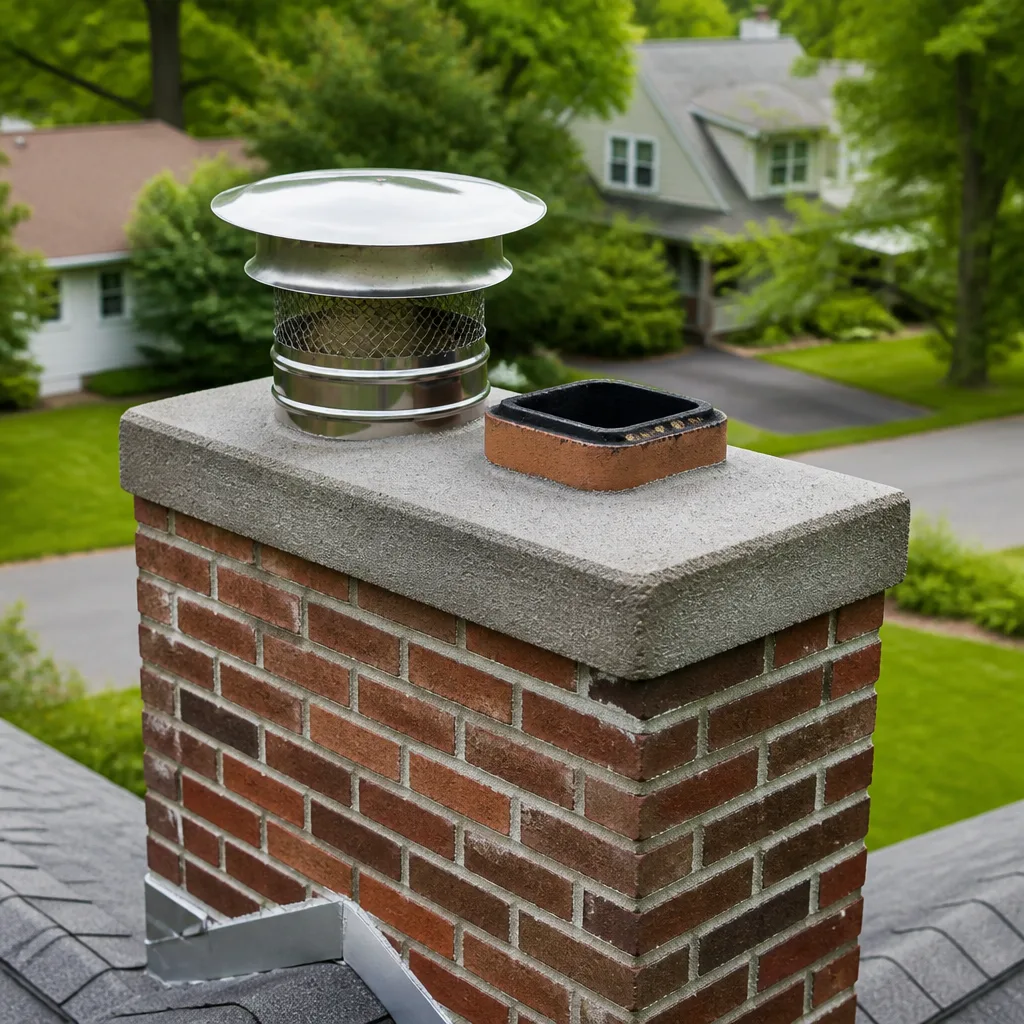 Sweep & inspection
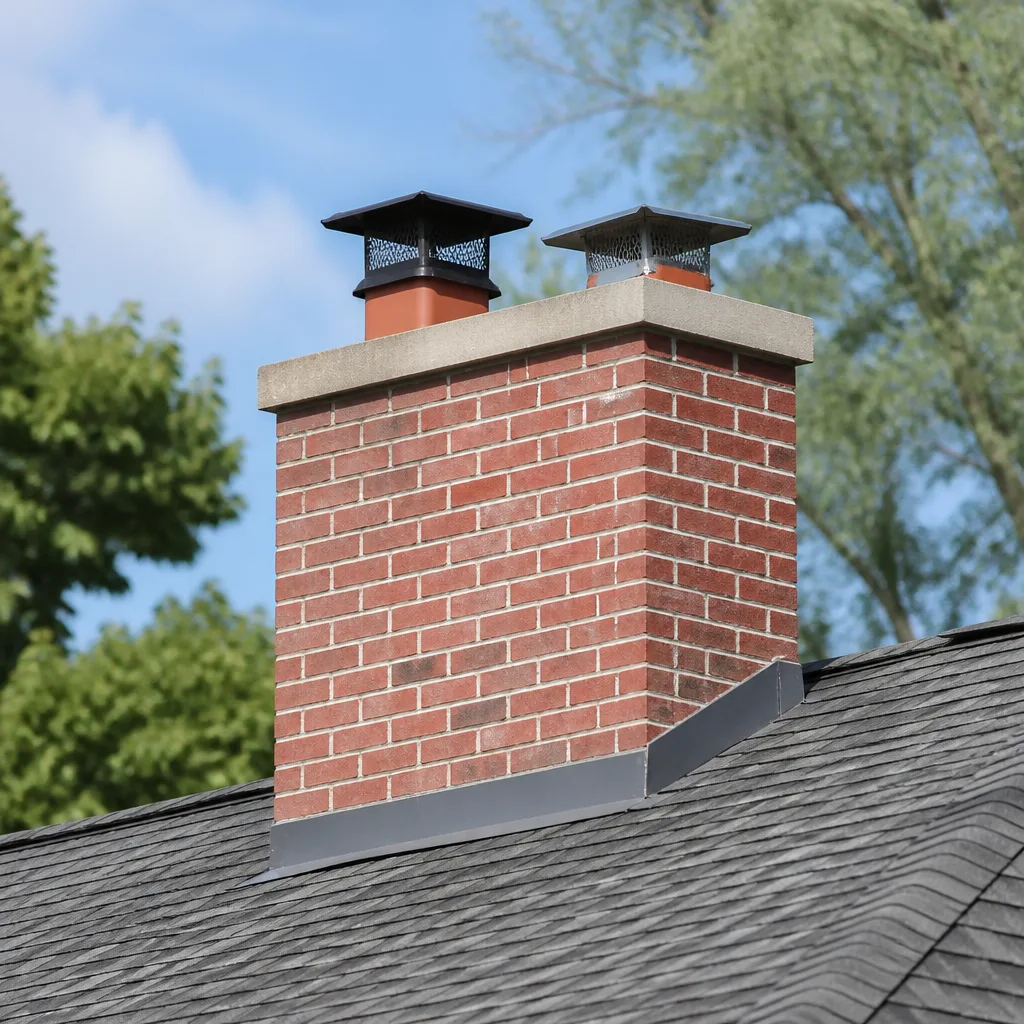 Caps & crowns
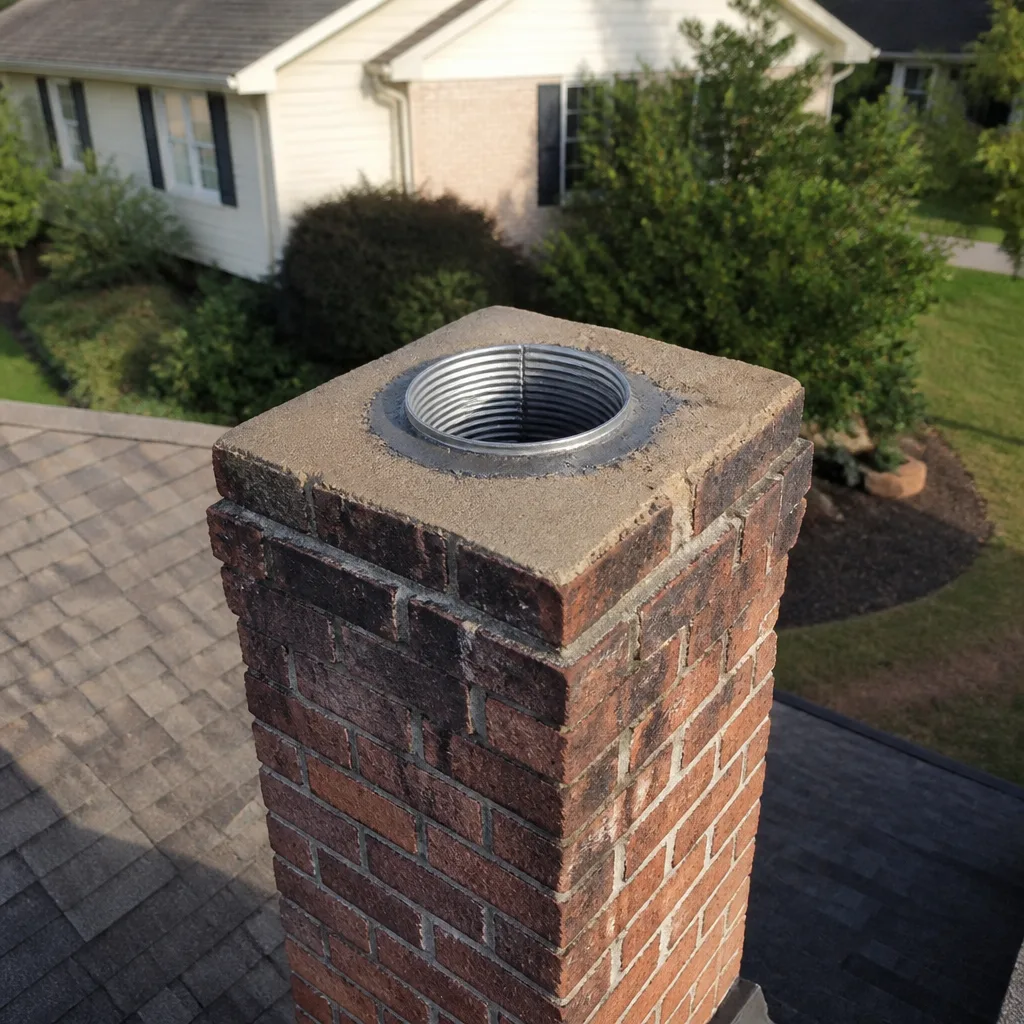 Flue relining
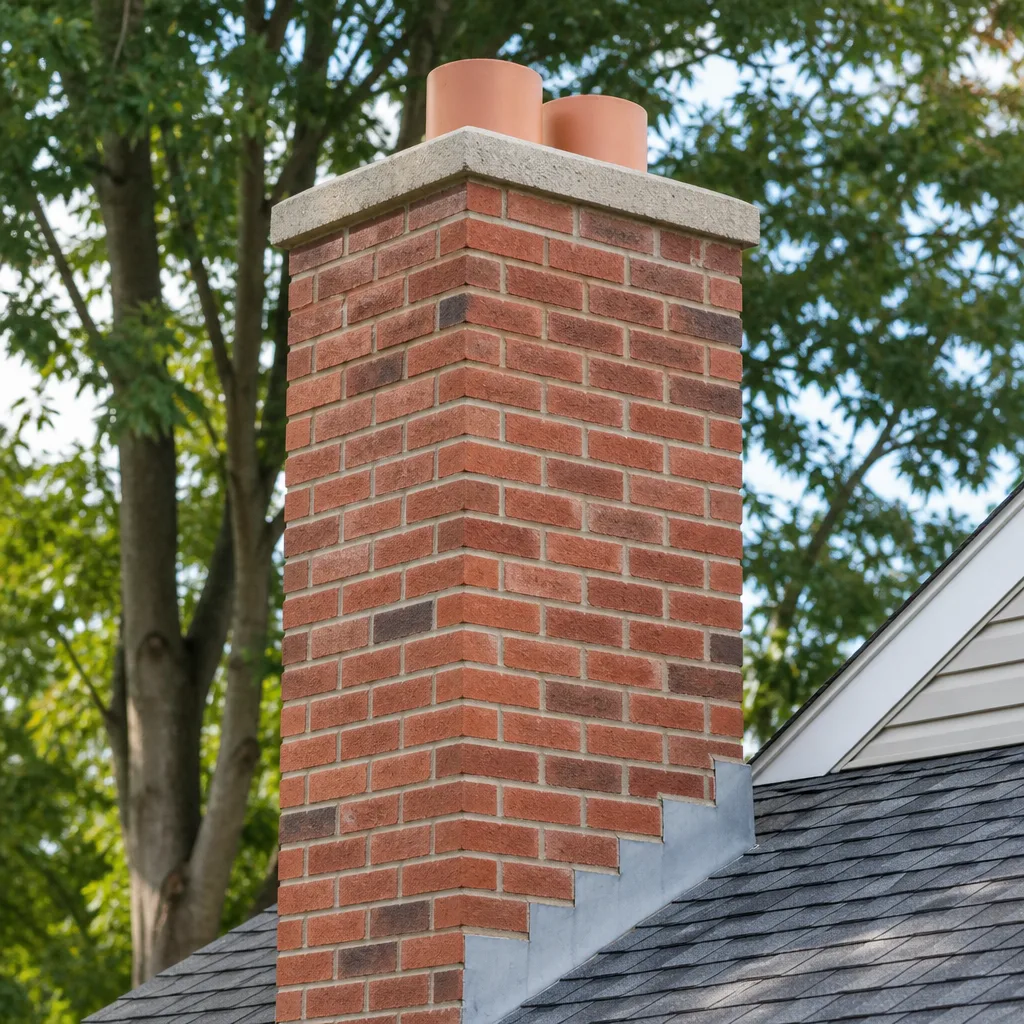 Masonry repair
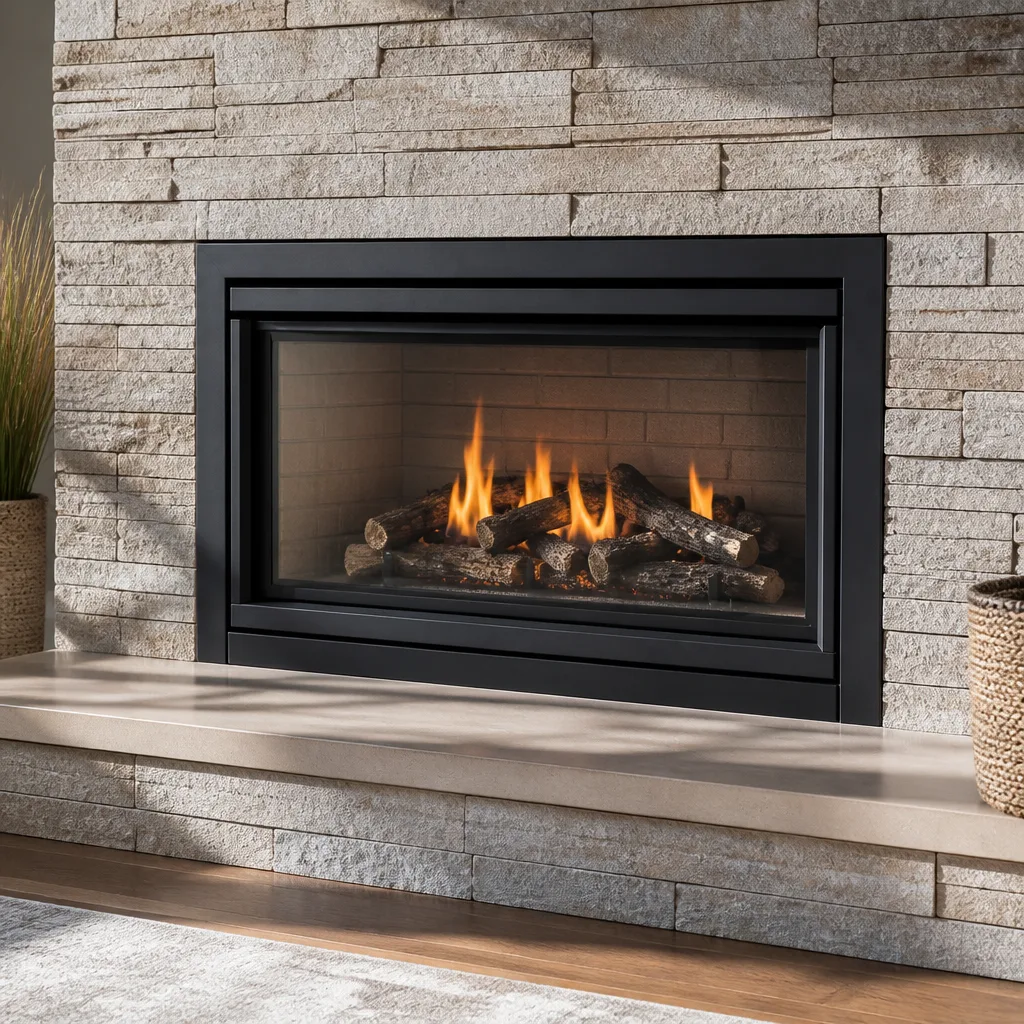 Gas fireplace service
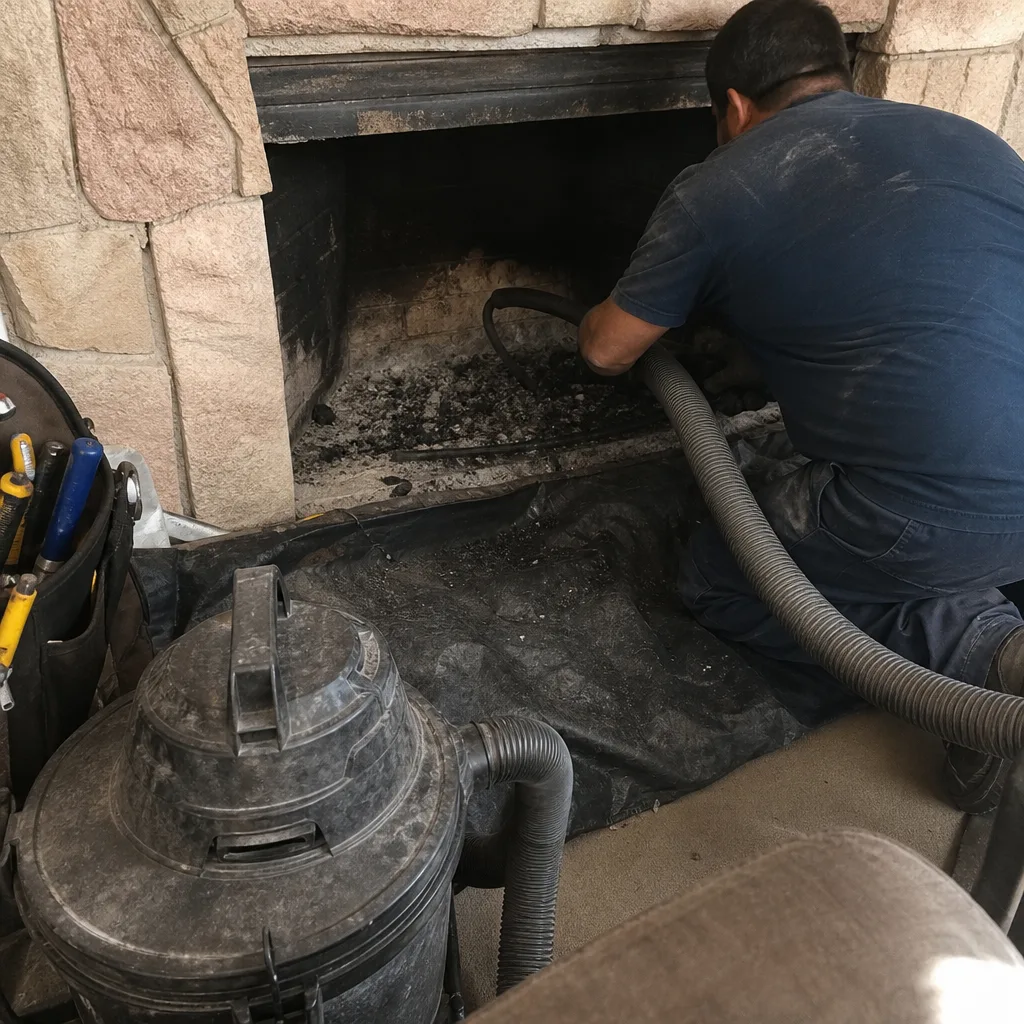
Level 1 sweep and inspection to the NFPA 211 annual standard - flue, crown, cap, and flashing checked and photographed
Chimney sweep logs do not sweep chimneys. They loosen some creosote - which then falls where a brush and vacuum still have to collect it.
Chimney Sweep Troubleshooting: Common Problems and How to Fix Them
Smoke rolling into your living room doesn’t mean your damper is broken. It might mean your flue is the wrong size for your firebox, your cap is blocked, or your liner has a gap. Three completely different fixes that all look identical from the couch. That’s the thing about chimney problems: they’re rarely what they appear to be, and the homeowner who guesses wrong spends money on a repair that doesn’t solve anything. This guide walks you through a symptom-first approach to diagnosing chimney issues, so you can tell the difference between a quick fix, a serious repair, and something that can safely wait. For more detail, see The Complete Chimney Sweep Guide for Rialto Homeowners. We’ve written it from the perspective of a Rialto chimney service that sees these patterns every week, in homes built from the 1950s through last year.
Quick Answer
Most chimney problems fall into four symptom categories: smoke rollback into the room, unusual odors, weak or reversed draft, and visible damage to brick, mortar, or liner. Each symptom has multiple possible root causes, and the correct fix depends entirely on which cause is actually present. In most cases, safe diagnosis requires a camera inspection of the flue interior, which is why we recommend a professional evaluation before attempting any repair.
Styles & brands we work with
Table of Contents
- A Symptom-First Diagnostic Framework
- Smoke Rollback: Why It Happens and What Actually Fixes It
- Odor Troubleshooting: Creosote vs. Animal Intrusion
- Draft Failure: The Invisible Problem That Feels Like Everything Else
- Visible Damage: Cracks, Spalling, and What They Mean
- Liner Repair vs. Replacement: HeatShield or Full Reline?
- Why ‘It Worked Fine Last Year’ Isn’t Diagnostic Evidence
- What’s Safe to Check Yourself vs. What Requires a Technician
A Symptom-First Diagnostic Framework
Before we dig into individual problems, let’s establish how a chimney technician actually thinks. We don’t start with “what’s broken?” We start with “what are you seeing, smelling, or hearing?” The symptom is the trailhead. The cause is somewhere down the path, and there are usually three or four possible causes for any single symptom.
Here’s the framework we use on every service call in Rialto:
- Identify the primary symptom precisely. Is it smoke in the room only when the fire is lit? Smoke in the room when the fire is out? A smell that comes and goes? A smell that’s constant? Water staining? White staining? Cracked brick?
- Note when the symptom occurs. Time of day, weather conditions, how long the fire has been burning, whether the furnace or dryer is running at the same time. These variables matter more than most homeowners expect.
- Rule out the simple causes first. Closed damper, clogged cap screen, wet wood, a cold flue on a mild day. These are cheap to fix and surprisingly common.
- Inspect the flue interior with a camera. This is the step homeowners can’t do themselves, and it’s the step that separates accurate diagnosis from educated guessing. A camera reveals liner gaps, creosote stage, animal nests, and hidden masonry damage.
- Match the finding to the symptom. Only then do we recommend a fix, and we always show the homeowner the camera footage so they can see the evidence for themselves.
In Rialto, where summer temperatures regularly push past 95°F and winters dip into the 40s, thermal expansion and contraction does real work on chimney masonry over time. What looked fine in March can show hairline cracks by September. The framework above accounts for that.
Smoke Rollback: Why It Happens and What Actually Fixes It
Smoke enters the room because something is preventing combustion gases from exiting through the flue. That’s the simple part. The complicated part is that there are at least five distinct reasons this happens, and each requires a different solution.
The Damper Is Partially Closed or Stuck
This is the most common cause and the easiest to check. If your damper won’t open fully because of rust, creosote buildup, or a broken mechanism, smoke has nowhere to go but into the room. A homeowner can visually confirm this by looking up into the firebox with a flashlight. If you can’t see daylight through the damper opening when it’s in the open position, that’s your culprit. Damper replacement is a straightforward repair.
The Flue Is Too Cold
A cold flue won’t draft. This is especially common in Rialto during the shoulder seasons when outside temperatures hover in the 50s and 60s, and the fireplace hasn’t been used in months. The fix is priming: light a rolled-up newspaper and hold it up near the open damper for 30 to 60 seconds before lighting the main fire. This warms the air column and establishes upward flow. If priming doesn’t work, the problem is structural, not thermal.
The Flue Is Oversized for the Firebox
This is the cause almost nobody guesses. A flue that’s too large for the firebox won’t get hot enough to maintain a strong draft. The smoke cools too quickly, loses buoyancy, and stalls. This is common in older Rialto homes where the original fireplace was replaced with a modern, more efficient insert, but the original flue was left in place. The fix is either a smaller liner installed inside the existing flue or a different venting configuration. This is where specifying the right product matters: a properly sized DuraFlex liner solves a draft problem that a Chimney Sweep alone never will.
The Cap or Crown Is Blocked
Leaves, bird nests, or a cap screen clogged with creosote will restrict airflow at the top of the chimney. If smoke rolls back primarily at the start of a fire and then improves slightly, a partial blockage is a strong possibility. A visual check from the roof or with a camera confirms it. Cleaning the cap and screen usually resolves this immediately.
There’s a Gap in the Liner
A cracked or separated clay tile liner allows smoke to escape into the chimney cavity instead of flowing to the top. This is a serious condition because it also allows heat to reach combustible materials in the surrounding structure. Smoke rollback combined with a burning smell even when the damper is open often points to a liner gap. This requires camera confirmation and typically a reline or a HeatShield restoration, depending on the extent of the damage.
Odor Troubleshooting: Creosote vs. Animal Intrusion
Homeowners consistently confuse these two smells, and the distinction matters because the fixes are entirely different.
Creosote odor smells like a campfire, asphalt, or burnt tar. It’s strongest on humid days or when the house is closed up, because moisture activates the smell in creosote deposits. It’s not a sign of an emergency, but it is a sign that your flue has accumulated enough creosote to warrant cleaning. A level-two creosote buildup looks like shiny black tar on the flue walls and is what we most often find in Rialto fireplaces that burn green wood or are used heavily without annual sweeping. The fix is a professional sweep with the right brushes and vacuum equipment.
Animal intrusion odor smells like decay, ammonia, or rotting meat. It’s sour and organic, not smoky. This smell means an animal has died in the chimney or nested there. Raccoons, squirrels, and birds are the usual suspects in Rialto’s residential neighborhoods, where mature trees overhang roofs and give animals easy access to chimneys. The fix is removal of the carcass or nest, followed by a thorough cleaning and the installation of a proper cap screen. Copperfield makes cap screens with fine enough mesh to exclude even small birds while still maintaining adequate draft, which is why we keep their components on the truck.
A third odor, less common but worth naming, is a musty damp smell indicating water intrusion. That points to crown, flashing, or masonry issues rather than combustion or animal problems.
Draft Failure: The Invisible Problem That Feels Like Everything Else
Draft failure is the hardest chimney problem for homeowners to pin down because it doesn’t announce itself. You light a fire, it burns weakly, it might puff smoke occasionally, and the room smells faintly of smoke even when nothing visible is coming out. You might blame wet wood, a dirty chimney, or a bad fire-building technique. All of those can contribute. But persistent draft failure is a mechanical problem with the chimney system itself.
Here are the mechanical causes of draft failure, in order of how often we see them in Rialto:
- Negative air pressure in the home. Tightly sealed newer homes, exhaust fans running, or a dryer in operation can pull air down the chimney instead of letting it flow up. If your draft improves when you crack a window near the fireplace, this is your cause.
- Flue height issues. A flue that doesn’t extend high enough above the roofline, or that’s too close to a taller section of roof, won’t develop sufficient draft. This is a design problem, not a maintenance problem, and it may require extending the flue.
- Oversized flue. As covered above, an oversized flue cools smoke too quickly and kills draft.
- Cold flue. In mild Rialto winters, a flue that’s been idle for months can take a long time to establish draft, especially in a single-story home with a short chimney.
- Creosote restriction. Even a quarter-inch of creosote build-up reduces the flue’s effective diameter and disrupts flow. This is what we find most often, and a sweep fixes it.
The diagnostic step that separates these causes is a draft test performed with the house sealed and then with a window open. A certified technician can do this in about 20 minutes, and it often prevents a homeowner from spending money on the wrong fix.
Visible Damage: Cracks, Spalling, and What They Mean
Chimney masonry issues in Rialto follow a predictable pattern. The region’s hot, dry summers and cool winters create thermal stress on mortar joints, and the occasional heavy rain event does the rest. Here’s what you’re looking at when you see visible damage.
Hairline cracks in mortar joints. These are cosmetic at first but worsen over time. Water gets into the crack, the next freeze cycle expands it, and the crack grows. In Rialto’s climate, where hard freezes are rare, the primary concern is water intrusion rather than freeze-thaw damage, but the progression is the same. Repointing, where old mortar is ground out and replaced, is the standard fix.
Spalling brick. Spalling means the face of the brick is flaking or popping off. This happens when water soaks into the brick and then evaporates, carrying minerals to the surface and weakening the structure. It’s common in older Rialto chimneys and is a sign of water intrusion that has been happening for years. The affected bricks need to be replaced, and the source of the water needs to be addressed, usually at the crown or flashing.
White staining (efflorescence). White powdery deposits on brick signal water moving through the masonry. It’s not dangerous by itself, but it tells you water is getting in somewhere. Finding and fixing the entry point now prevents spalling and structural damage later.
Chimney leaning or separating from the house. This is the most serious visible damage and usually indicates foundation movement or severe structural compromise. If you see a gap between the chimney and the house wall, or visible leaning, stop using the fireplace and call for a structural inspection immediately.
Most of this work falls under Chimney Repair in Rialto, and it’s work that rewards early intervention. A small repointing job costs a fraction of what a partial rebuild costs.
Liner Repair vs. Replacement: HeatShield or Full Reline?
When a camera inspection reveals liner cracks, gaps, or deterioration, homeowners in Rialto face a decision: full liner replacement or liner restoration. Understanding the difference is the single most valuable thing you can do before getting quotes.
A full reline means installing a new liner inside the existing flue. We use DuraFlex stainless steel liners because they’re code-compliant, durable, and sized precisely to the appliance they serve. A full reline is appropriate when the existing liner has extensive damage, when the flue is oversized and needs to be down-sized for a modern insert, or when the original clay liner has collapsed in sections. It’s a bigger job and a bigger investment, but it resets the chimney to a known-good state.
HeatShield restoration is a different approach. Instead of removing the old liner, HeatShield coats the existing flue walls with a ceramic refractory sealant, filling cracks, gaps, and joint failures. It can add years to a liner that’s failing in specific spots but still has structural integrity overall. We carry HeatShield because it gives Rialto homeowners an option between “leave the damaged liner alone” and “replace everything.” Not every chimney qualifies: the underlying flue structure has to be sound enough to support the restoration. But for the right chimney, it’s a genuinely useful middle path, and it saves thousands compared to full replacement.
The honest way to think about it: a full reline with DuraFlex is the right call when the liner has failed or when venting configuration needs to change. HeatShield is the right call when the liner is basically sound but has localized cracks and gaps. A camera inspection tells you which situation you’re in.
Why ‘It Worked Fine Last Year’ Isn’t Diagnostic Evidence
This is the most common sentence we hear on Rialto service calls, and it’s the least useful piece of information a homeowner can give us. Here’s why.
Chimney systems change when no one uses them. Creosote that was a thin film last season can absorb moisture from humid air and swell into a thick, sticky layer. Mortar joints can crack from thermal stress during a single hot summer. Animals can move in during the spring nesting season. Roof repairs can shift flashing. A tree that grew three feet can change wind patterns over your roof.
Fireplace performance is also seasonal. A chimney that drafted fine in February, when outside temperatures were in the 50s and the fire was hot, may draft poorly in October, when it’s 75°F outside and the fire is small. Mild weather means a smaller temperature difference between inside and outside, which means weaker natural draft. This isn’t a mechanical failure; it’s physics. But it feels like a failure if you don’t know what’s happening.
Your fuel may have changed. Wood that sat uncovered through a wet winter will burn differently than seasoned wood from the previous year. A new load from a different supplier can smoke more or produce more creosote. These variables affect performance without any change to the chimney itself.
The point is: “it worked before” tells us the system was functional in different conditions. It doesn’t tell us anything about what’s happening now. A camera inspection and a proper diagnostic do.
What’s Safe to Check Yourself vs. What Requires a Technician
Some troubleshooting is safe and sensible for a homeowner to do. Some is genuinely dangerous. Here’s where the line is.
Safe to Check Yourself
- Damper operation. Look up into the firebox with a flashlight and confirm the damper moves freely and stays in the open position.
- Cap visibility from the ground. If you can see your chimney cap from the yard, look for obvious blockages like a bird’s nest or heavy leaf debris. Don’t climb onto the roof to check closer.
- Draft priming. Light a rolled newspaper and hold it near the open damper. This is safe and often informative.
- Efflorescence or spalling on visible brick. You can identify these from the ground or from a ladder placed on stable ground. No roof access needed.
- Smell identification. You know what creosote smells like versus what decay smells like. Your nose is a legitimate diagnostic tool.
Requires a Certified Technician
Safety note: The following conditions involve fire risk, structural risk, or fall risk. Do not attempt to diagnose or repair these yourself. A certified chimney technician has the equipment, training, and access to professional-grade components (Gelco and Olympia Chimney sealants, Copperfield caps, Famco venting materials) to address them safely.
- Any liner inspection. You cannot see the interior of your flue without a camera. There is no way to assess liner condition from the firebox or the roof. Attempting to do so by feel is dangerous and pointless.
- Suspected liner cracks or gaps. If smoke is entering the home through walls or you smell burning wood when the fireplace is in use, this is a liner issue until proven otherwise. The flue is carrying heat and gases you can’t see.
- Structural chimney damage. Leaning, large cracks, or separation from the house are structural red flags. A chimney collapse is rare but catastrophic when it happens.
- Animal removal. Raccoons are aggressive when cornered, and dead animals carry disease. A technician with proper equipment should handle removal, cleaning, and preventive capping.
- Any roof-level inspection or work. Chimney caps, crowns, and flashing all require roof access. The risk of a fall is not worth the information you might gain.
If you’re in Rialto and you’re not sure which category your situation falls into, the answer is simple: call. A quick phone conversation can usually tell us whether you need a service visit or whether you can safely observe and monitor for now. For chimney work, that call is the same one you’d make for Chestnut Chimney Sweep home services.
Common Mistakes to Avoid
- Guessing the cause without a camera inspection. Smoke rollback can be a damper, a flue sizing issue, a cap blockage, or a liner gap. Guessing wrong wastes money on the wrong fix and leaves the real problem unresolved.
- Ignoring a creosote smell because “it’s an old house smell.” Creosote odor means the flue has build-up. The fix is a sweep, and it’s cheap compared to a chimney fire.
- Assuming a new liner is always necessary. Many Rialto homeowners are quoted full relines when a HeatShield restoration would solve the problem at a fraction of the cost. Ask for camera evidence and a clear explanation of why restoration isn’t an option before committing to replacement.
- Burning unseasoned wood to “save money.” Green wood produces more creosote, burns cooler, and drafts worse. The wood you save money on costs you in sweep frequency.
- Caulking chimney cracks from the outside. Caulk is not mortar. It traps moisture inside the brick and accelerates deterioration. Repointing with proper mortar is the only legitimate fix for cracked joints.
- Neglecting the dryer vent because “it’s not a chimney.” A clogged dryer vent is a fire hazard, full stop. In Rialto, where dryers run constantly through the summer, we’ve seen vents so packed with lint that the dryer’s thermal fuse had been tripped repeatedly. Dryer Vent Cleaning in Rialto is part of the same whole-home combustion safety picture.
- Waiting until burn season to schedule an inspection. Every Rialto chimney service gets slammed in October and November. Scheduling in late summer means you’ll get on the calendar faster and catch problems before the first fire.
See the difference
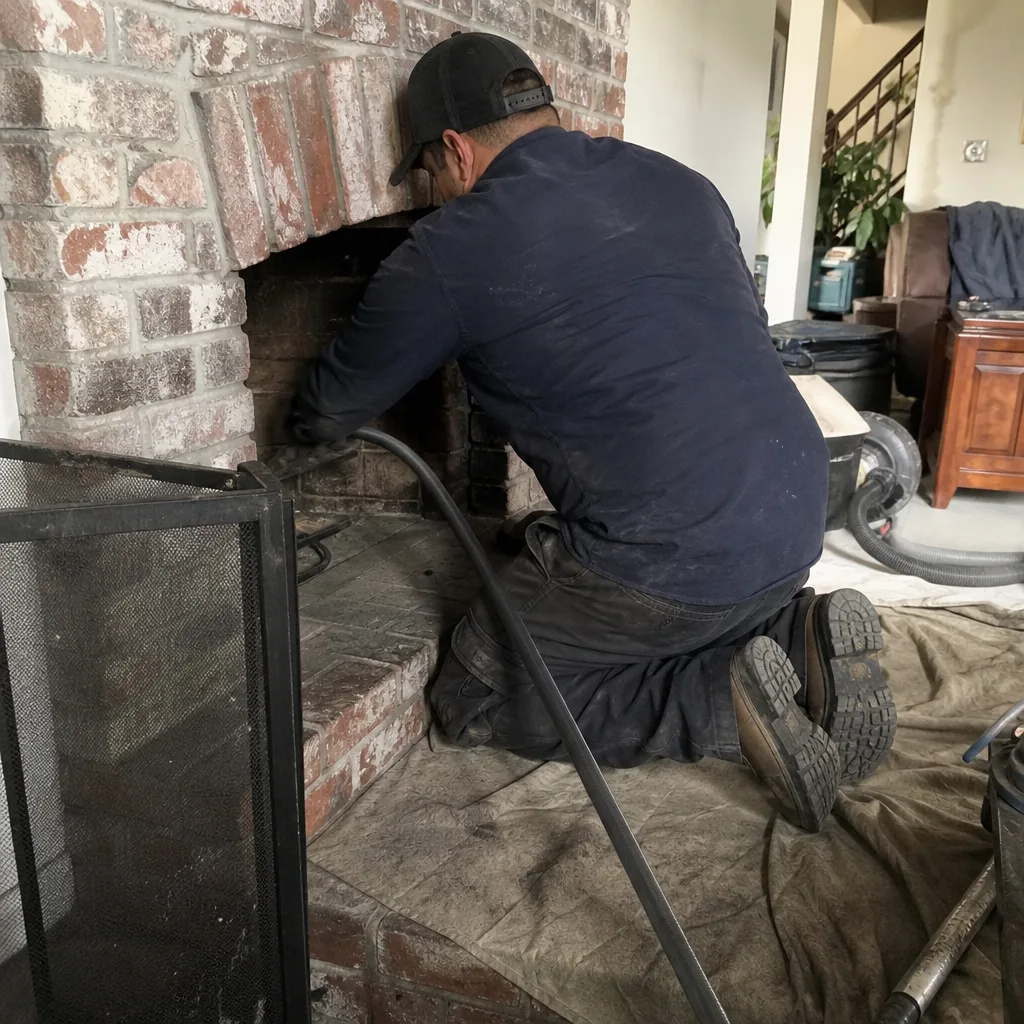 Before
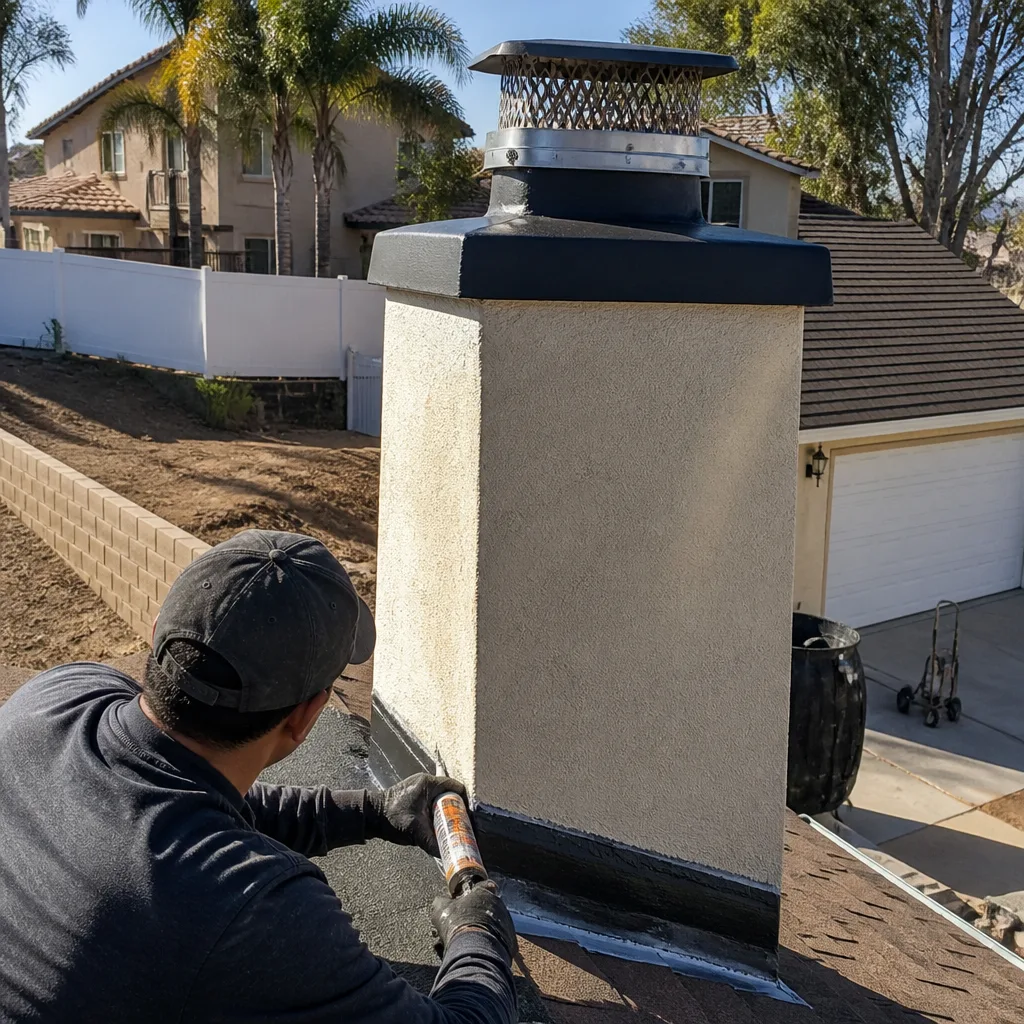
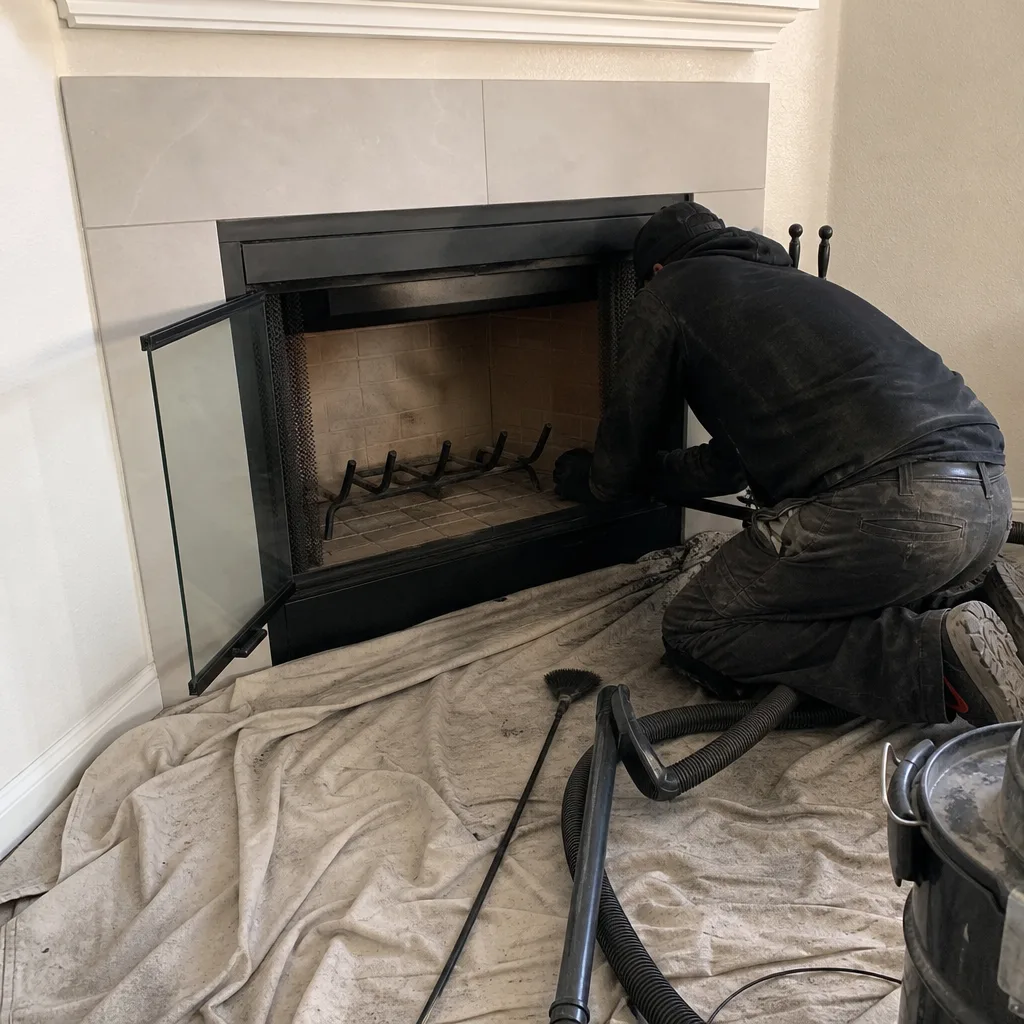 After
 Before
 After
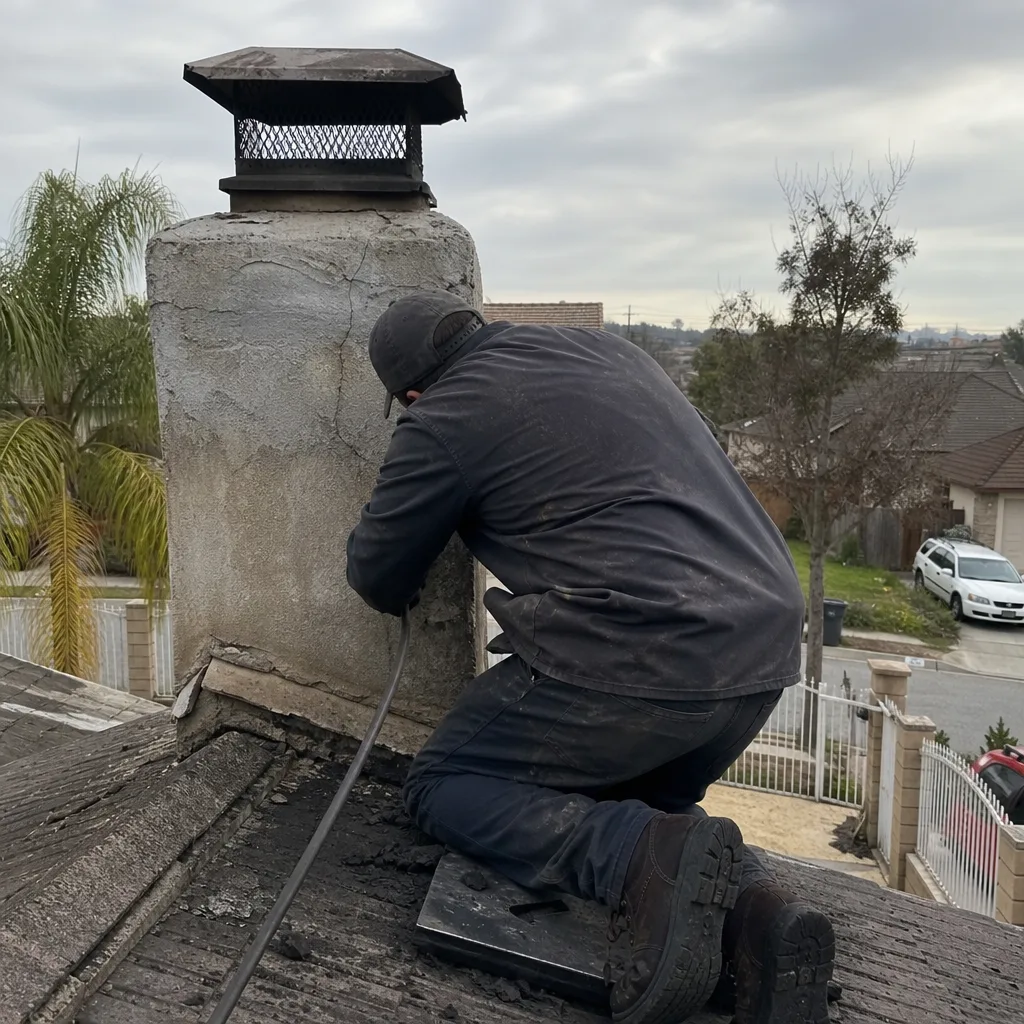 Before
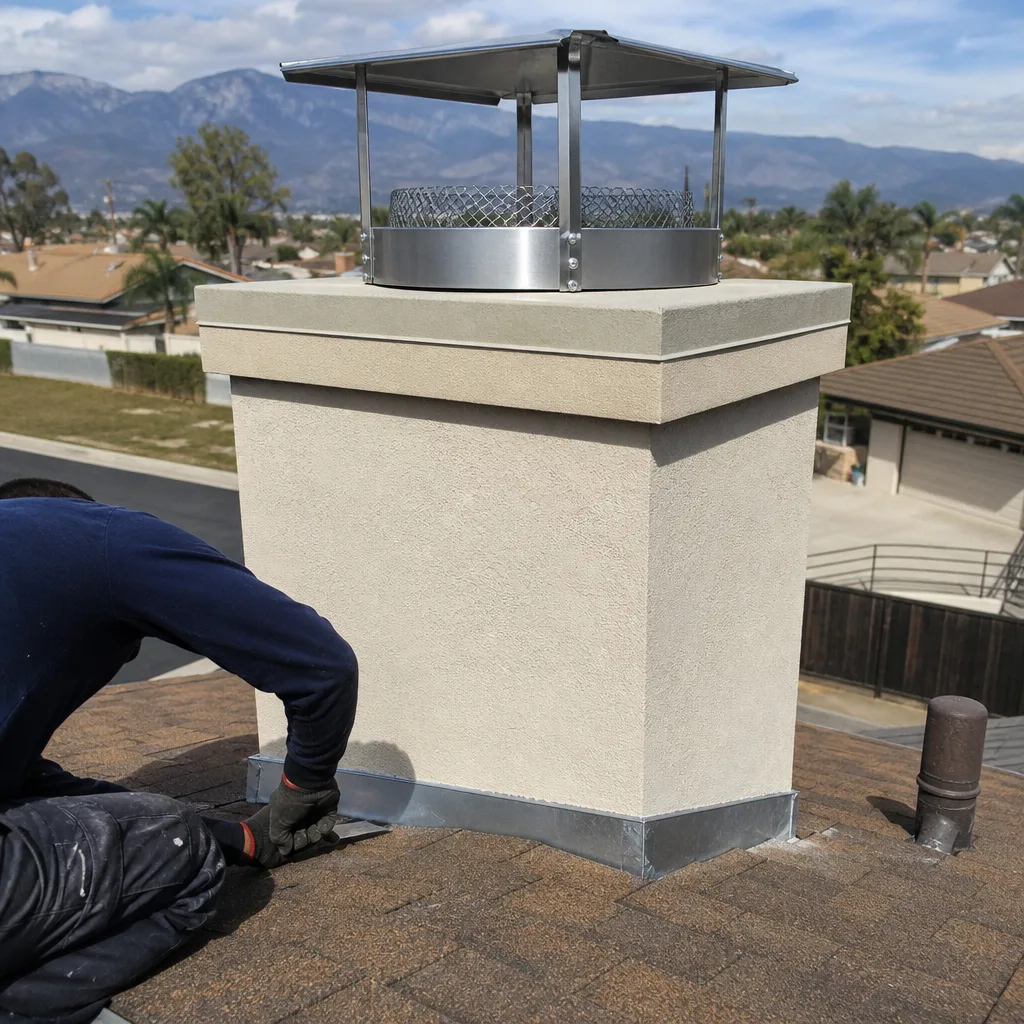 After
When to Call a Professional
If you’ve worked through the safe homeowner checks and the problem persists, or if you’re seeing any of the red flags covered here – liner cracks, structural damage, animal intrusion, strong creosote odor – it’s time for a professional evaluation. A camera inspection answers the question definitively, and it’s the only way to know whether you need a sweep, a HeatShield restoration, a DuraFlex reline, or masonry repair. Chestnut Chimney Sweep offers free estimates in Rialto – call (855) 360-4975 and we’ll help you figure out what’s actually going on before you spend money on anything. Explore more guides & resources on our blog.
Frequently Asked Questions
A standard chimney sweep in Rialto typically runs between $150 and $300, depending on the size of the chimney, the amount of creosote build-up, and whether any additional services like cap cleaning or dryer vent cleaning are bundled. The cheapest sweep is not the best value if it skips the camera inspection that catches liner problems early. Call (855) 360-4975 for an exact quote – estimates are free.
The National Fire Protection Association recommends a sweep and inspection at least once per year, and more often if you burn frequently or burn wood that isn’t fully seasoned. In Rialto, where fireplace use is seasonal, an annual sweep before the first fall fire is the standard that keeps most systems safe and functional.
Not necessarily. If the cracked liner is still structurally sound, a HeatShield restoration can seal the cracks and extend the liner’s life without full replacement. If the liner has collapsed, separated, or is the wrong size for the appliance, a full reline with DuraFlex is the right call. The camera footage tells you which scenario you’re in. Call (855) 360-4975 and we’ll show you the footage and explain the options honestly.
Creosote accumulates with every fire, and creosote is fuel. A thick enough layer can ignite from a stray spark, causing a chimney fire that damages the liner, the surrounding masonry, and potentially the house itself. A blocked flue also increases the risk of carbon monoxide backing into the home. Skipping a sweep doesn’t guarantee disaster, but it stacks the odds against you. Call (855) 360-4975 to book a sweep before the season starts.
Summer chimney smells are usually creosote odor activated by humidity, or animal intrusion odor from a nesting or deceased animal. Creosote smells like a campfire; animal intrusion smells like decay. Both are fixable: a sweep addresses the creosote, and animal removal plus a proper cap addresses the intrusion. Air conditioning running creates negative pressure that pulls these smells into the house, which is why they’re more noticeable in summer.
In most cases, yes. Simple sweeps and inspections can usually be scheduled within a few days, especially outside the October-through-December rush. Larger repairs involving HeatShield restoration or a DuraFlex reline may need to be scheduled in advance, but we’ll give you a clear timeline when we provide the estimate. Call (855) 360-4975 to check current availability.
The Bottom Line
Chimney problems are rarely what they first appear to be. Smoke rollback might be a damper, a sizing issue, or a liner gap. A bad smell might be creosote or a dead animal. The only way to know is to match the symptom to the actual mechanical cause, and the only way to do that reliably is with a camera inspection. Homeowners in Rialto can handle basic checks like damper operation and visual inspection from the ground, but anything involving the liner, the roof, or structural damage needs a certified technician. Whether the fix is a sweep, a HeatShield restoration, a DuraFlex reline, or masonry repair, the names on the parts matter. Chimney Sweep in Rialto covers all of it, and the estimate is free.
Written by the team at Chestnut Chimney Sweep, serving Rialto since 2012.