Last updated October 30, 2026
 Sweep & inspection
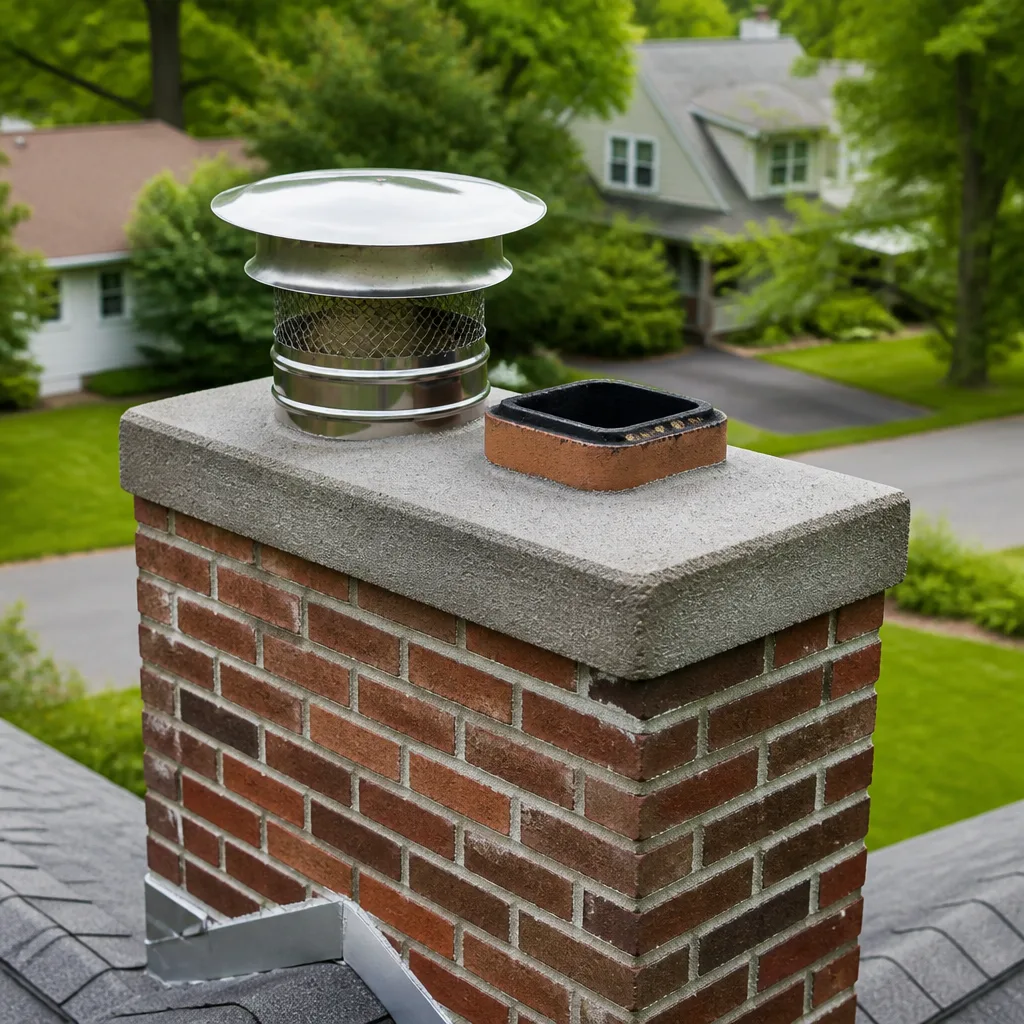
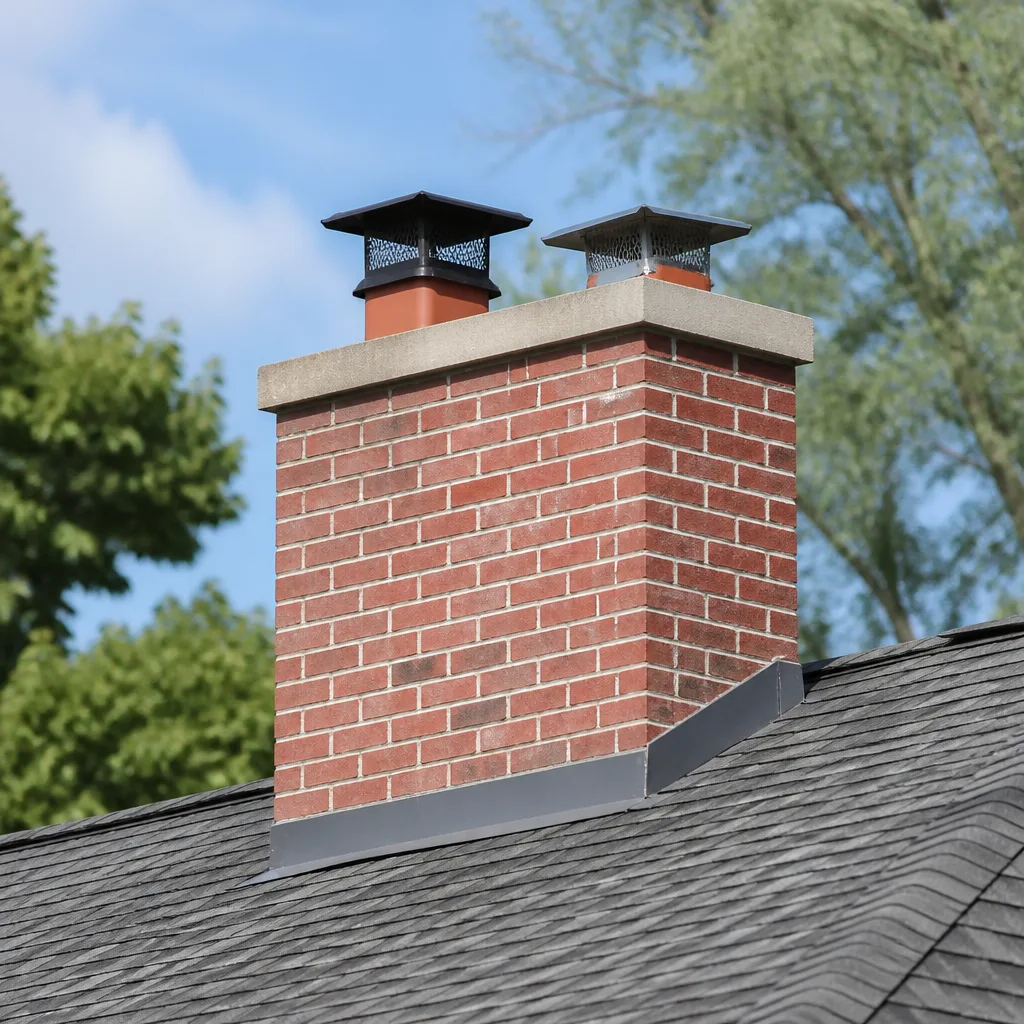 Caps & crowns
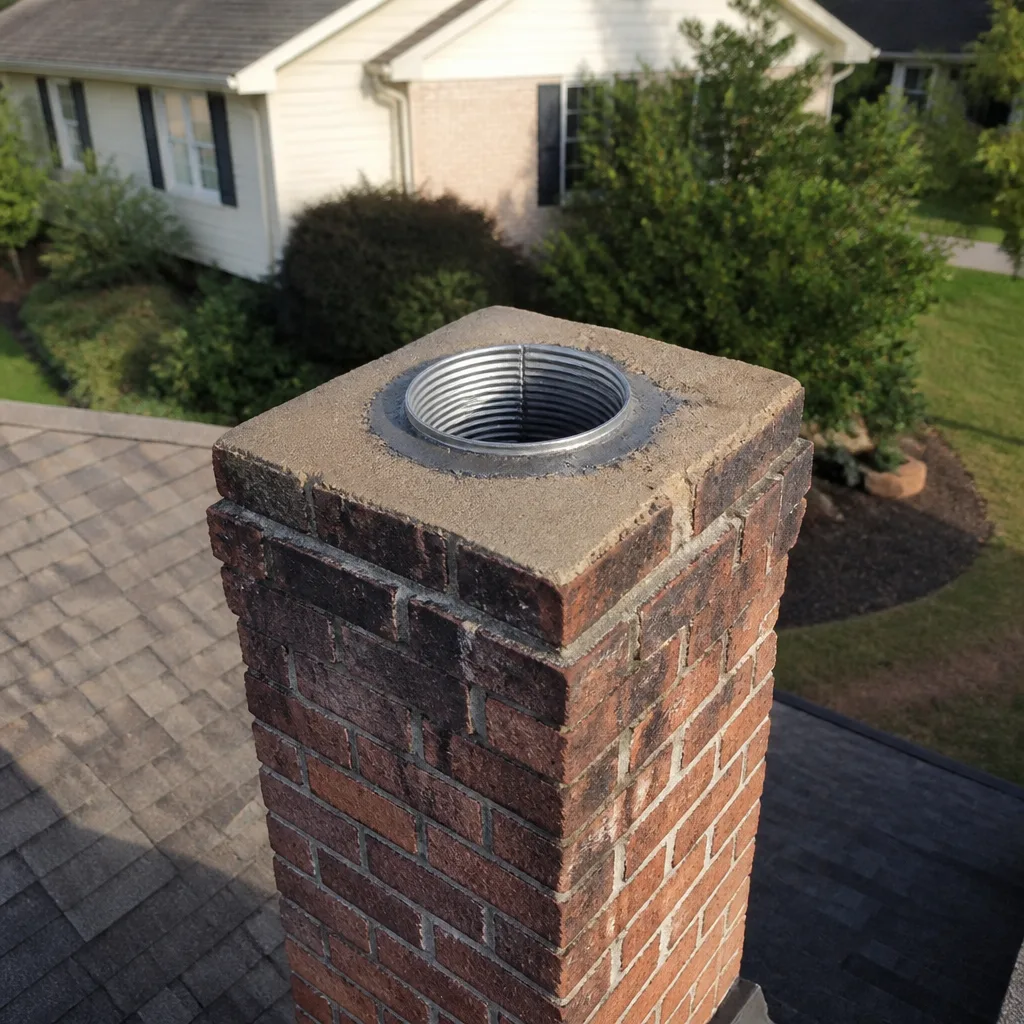 Flue relining
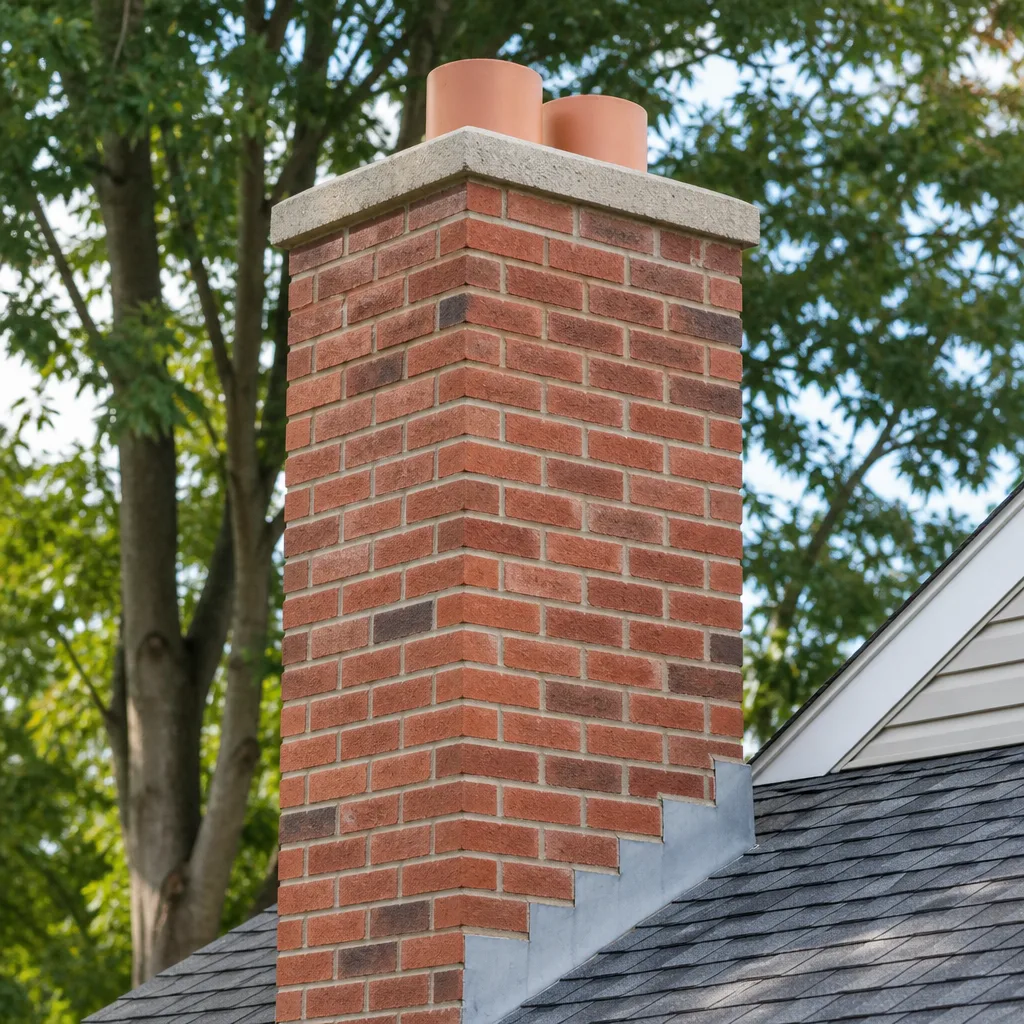 Masonry repair
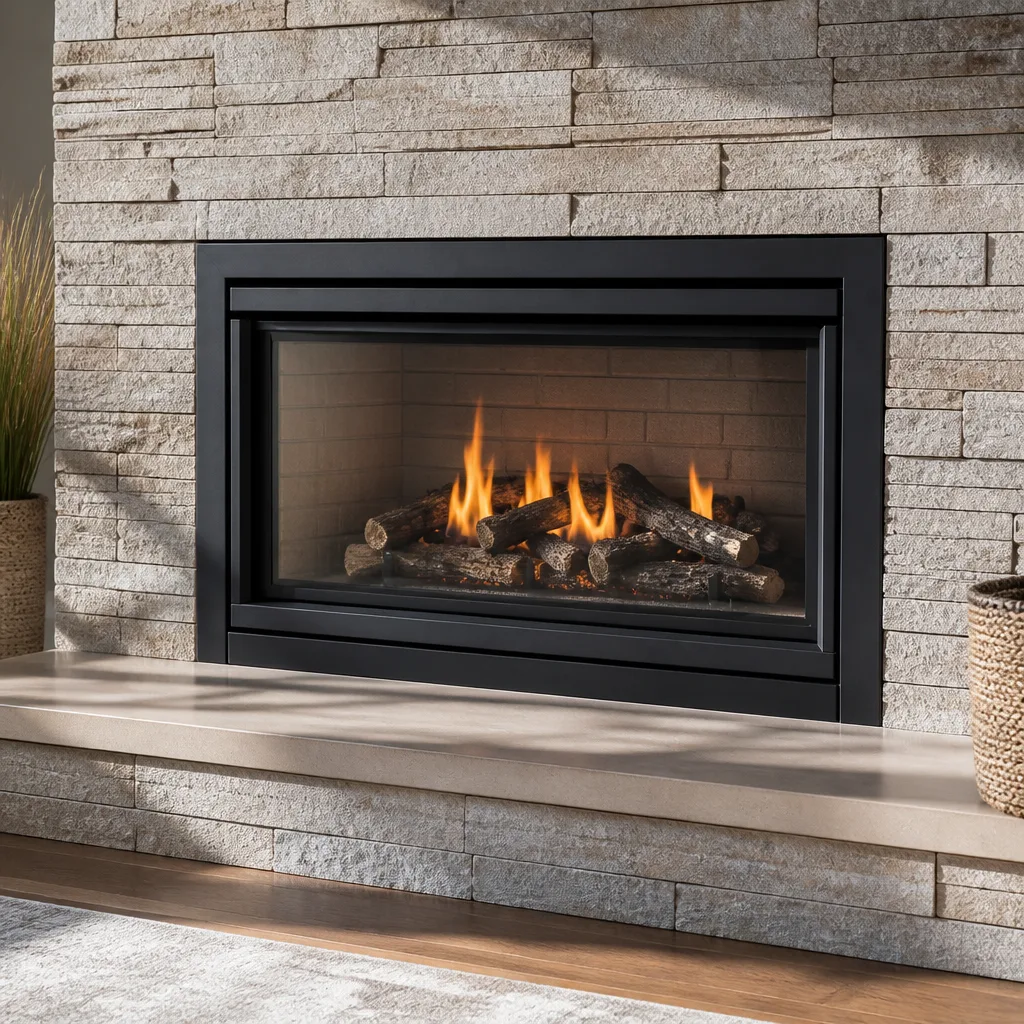 Gas fireplace service
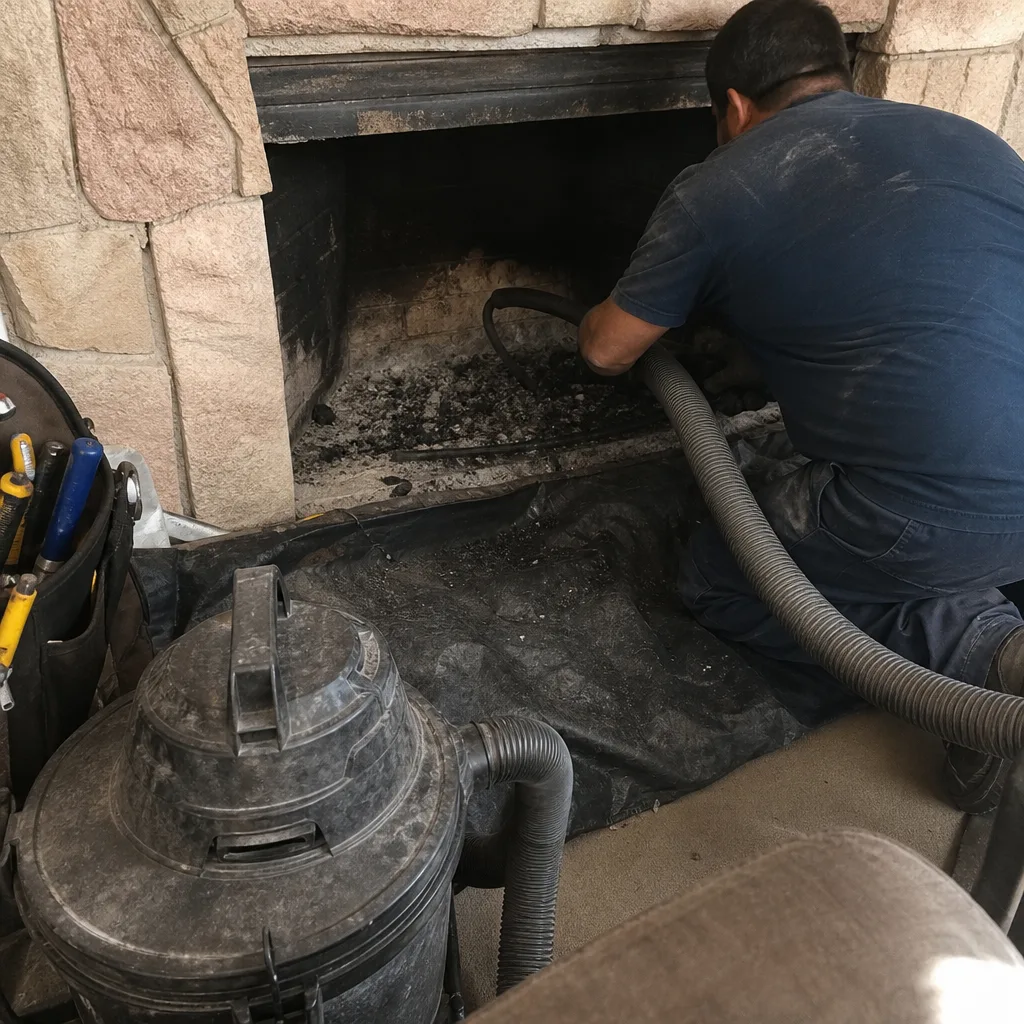
Level 1 sweep and inspection to the NFPA 211 annual standard - flue, crown, cap, and flashing checked and photographed
Chimney sweep logs do not sweep chimneys. They loosen some creosote - which then falls where a brush and vacuum still have to collect it.
Choosing the Right Chimney Cleaning Brand: A Buyer’s Guide for Rialto
Here’s a number that should make any Rialto homeowner pause: the National Fire Protection Association reports that roughly one in four home heating fires involves a chimney or flue that wasn’t properly maintained. What most people don’t realize is that the difference often comes down to something they never think to ask about. Not the price. Not the schedule. The brands. When a chimney contractor says they use “professional-grade liner materials,” that phrase is meaningless without a brand name behind it. The difference between a code-compliant stainless DuraFlex liner and an off-brand flexible liner is the difference between a 25-year product and one that fails inspection. By the end of this guide, you’ll know exactly which brand names matter, what they signal, and how to use that knowledge when hiring a chimney company in Rialto. For The Complete Chimney Sweep Guide for Rialto Homeowners, see our dedicated resource.
Styles & brands we work with
Quick Answer
The right chimney cleaning brand for Rialto homeowners isn’t a single product. It’s a company that works with a curated roster of professional-grade brands like DuraFlex for liners, HeatShield for restoration, and Copperfield for components. A company that names its brands is demonstrating materials literacy. A company that says “quality materials” without specifics is asking you to trust them blindly.
Table of Contents
- Why Brand Names Matter More Than Reviews
- DuraFlex Liners: The Benchmark Explained
- HeatShield Restoration: What It Actually Does
- Copperfield Components: Where the Small Parts Come From
- How to Spot Off-Brand Substitution
- Three Brand Questions to Ask Any Rialto Chimney Contractor
- Common Mistakes to Avoid
- When to Call a Professional
- Frequently Asked Questions
- The Bottom Line
Why Brand Names Matter More Than Reviews
Online reviews tell you whether a contractor was polite, punctual, and left the job site clean. They rarely tell you whether the stainless liner installed in your chimney will still be intact in 2035. That’s a materials question, and the answer lives in the brand names a company chooses to stock and install.
Think about it this way. A chimney sweep in Rialto who can tell you the specific model and material grade of the cap they’re installing is working from the same material library as certified chimney technicians across the country. They order from the same industrial suppliers. They’re subject to the same product specifications and testing standards. A sweep who says “we use quality materials” without naming a single brand is either buying whatever is cheapest at the local hardware store or doesn’t know enough about their own inventory to answer a basic question. Neither is a good sign.
In our experience, the brand conversation separates generalist handymen from actual chimney specialists faster than any other single question. Materials literacy is not a marketing term. It’s the difference between someone who cleans chimneys and someone who diagnoses, repairs, and restores them.
For Rialto homeowners, this matters more than in coastal communities. The inland climate means dry Santa Ana-driven fire seasons, temperature swings that stress masonry, and a heating season that runs shorter but harder. Your chimney components need to hold up under conditions that are genuinely different from what a homeowner in, say, Long Beach deals with. Brand-name components are engineered and tested for exactly these conditions. Generic substitutes are not.
We carry DuraFlex, Copperfield, Gelco, and Olympia Chimney products because the parts matter as much as the labor. We’d rather tell you the name of the liner going into your home than ask you to trust a vague promise. And if a contractor can’t or won’t do that, that’s your answer about their standards.
DuraFlex Liners: The Benchmark Explained
DuraFlex is the most widely specified stainless steel chimney liner system in the professional chimney industry. It’s manufactured by Olympia Chimney Supply, one of the largest chimney product distributors in North America, and it’s the liner brand most certified chimney sweeps and masons reach for when a chimney needs relining.
So what actually is it? A DuraFlex liner is a flexible stainless steel tube, typically constructed from 316L stainless alloy, that gets inserted down the flue of an existing chimney. It creates a new, code-compliant passage for combustion gases. The flexible design lets it snake through offsets and bends in older masonry chimneys without requiring demolition. Once installed and insulated properly, a DuraFlex liner effectively gives an old chimney a new interior.
Why does the name matter? Because not all flexible liners are built to the same specification. Off-brand liners often use thinner gauge steel, lower-grade alloy that corrodes faster under acidic condensate, and welds that fail under repeated heating and cooling cycles. A DuraFlex liner carries a lifetime warranty from the manufacturer when installed by a qualified professional. Most generic liners carry no meaningful warranty at all, or a warranty that evaporates the moment the installer goes out of business.
For Rialto homeowners specifically, the alloy grade matters. Wood-burning and pellet stoves produce flue gases that condense inside the liner as creosote and acidic moisture. In a climate like ours, where winter nights get cold and fires burn hot, that condensate cycle happens every single time you use the fireplace. 316L stainless is designed to resist that corrosion. Cheaper alloys degrade in a few seasons.
When a contractor recommends relining, ask what brand they’re quoting. If they say DuraFlex, ask to see the manufacturer’s tag or documentation. If they hesitate, that’s a red flag. A chimney company that installs DuraFlex will be proud to say so. We certainly are.
HeatShield Restoration: What It Actually Does
HeatShield is a specialized chimney liner restoration product, and it solves a problem most Rialto homeowners don’t know they have until a chimney inspection reveals it.
Here’s the scenario. Your chimney flue is made of old clay tile, which was standard for decades. Over time, those tiles crack or the mortar joints between them erode. Once that happens, the flue no longer safely contains heat and combustion gases. The traditional fix was full relining: either break out the old tiles and install a new liner, or slide a DuraFlex liner down through the existing flue. Both are effective but expensive, and full tearout is messy and invasive.
HeatShield offers a middle path. A certified technician applies a specially formulated, heat-cured sealant to the interior of the damaged flue, essentially creating a new smooth surface inside the existing tile liner. Think of it as resurfacing rather than replacing.
What HeatShield can do: seal hairline cracks and eroded mortar joints, restore a flue to a serviceable condition, and extend the life of an older chimney by years. It’s particularly effective when the structural integrity of the flue is still largely intact and the damage is surface-level joint erosion.
What HeatShield cannot do: repair a chimney that has already shifted structurally, fix a flue with missing tiles or large gaps, or substitute for a proper liner in a chimney that never had one to begin with. In those cases, a DuraFlex liner is the correct fix, and we’ll tell you that plainly.
The key word here is “certified.” HeatShield application requires specific training and certification from the manufacturer. A contractor who offers HeatShield has gone through that training. A contractor who doesn’t offer it, or who offers “something similar,” is not giving you the same product. HeatShield restoration can add years to a deteriorating liner without a full replacement, and that’s only possible because the product does exactly what its manufacturer claims. No more, no less.
Copperfield Components: Where the Small Parts Come From
Copperfield Chimney Supply is a major distributor of chimney system components: caps, dampers, chase covers, flashing, and installation tools. When a chimney contractor sources parts from Copperfield, they’re buying from the same supply chain used by professional chimney companies nationwide. That matters for fit, longevity, and code compliance.
The parts most homeowners never think about are the ones that fail first. A chimney cap that doesn’t fit properly lets rain in, which accelerates liner corrosion and masonry damage. A damper that doesn’t seat correctly wastes heated air all winter and makes your fireplace draft poorly. A chase cover made from the wrong gauge metal rusts through in a few seasons, and suddenly you’re dealing with water damage to the roof structure around the chimney.
Copperfield components are manufactured to match the specifications of the chimney systems they’re designed for. That’s the difference between a part that’s engineered and a part that’s “close enough.” In a Rialto home, where summer temperatures hit triple digits and winter nights drop into the 30s, those metal components expand and contract dramatically. Cheap components warp. Properly specified components hold their shape.
What you should ask: “Where do you source your caps and dampers?” A contractor who says Copperfield, Olympia Chimney, or another named supplier is telling you they order from a professional distribution channel. A contractor who says “wherever we can get them” or “the supplier’s supplier” may be installing whatever was cheapest that week. The difference shows up in the third or fourth year, not on day one.
We specify the right liner, cap, or repair product for your system by name. When we install a cap on a Rialto chimney, we can tell you exactly what it is and where it came from. That’s not a brag. It’s the baseline for doing the job correctly.
How to Spot Off-Brand Substitution
Product substitution happens more often than most Rialto homeowners realize. A contractor quotes a job with name-brand materials, then installs something cheaper because most customers never verify what actually went into their chimney. Here’s how to protect yourself.
- Ask for manufacturer documentation on the quote, not after. A legitimate contractor will specify the exact product: “DuraFlex 316L liner, 6-inch diameter.” Not “stainless liner.” If the quote doesn’t name the product, don’t sign it.
- Request to see the packaging or manufacturer tags on installation day. Real DuraFlex liners ship with tags and manufacturer markings. HeatShield certification paperwork includes a unique application reference. If the installer arrives with unmarked materials, ask why.
- After the job is complete, ask for a written record of what was installed. This should list the brand, model, and size of every component. If they can’t provide it, assume the materials aren’t what was promised.
- Check manufacturer certification for products like HeatShield. HeatShield maintains a list of certified applicators. Verify before you book.
- Be wary of “equivalent” language. If a contractor says they’ll install “a liner equivalent to DuraFlex,” that’s not the same thing. Equivalent is a word salespeople use when they don’t have the real product.
In Rialto, where many homes were built in the 1970s through 1990s, chimney systems are aging and replacement parts are an active conversation. The time to verify materials is before they’re installed. After the fact, a buried liner is very hard to inspect, and a bad installer knows that. Don’t let the parts be a mystery.
Three Brand Questions to Ask Any Rialto Chimney Contractor
Before you sign an estimate, ask these three questions. The answers will tell you more about the contractor’s standards than a hundred five-star reviews.
Question 1: “What brand of liner or repair product do you plan to use?”
What a good answer sounds like: “We use DuraFlex 316L stainless liners for relining work and HeatShield for flue restoration.” A specific brand name plus a specific material grade. That answer tells you the contractor orders from professional supply channels and knows their own inventory.
What a bad answer sounds like: “Professional-grade materials, top quality, the best stuff.” This is the answer of someone who can’t or won’t tell you what they’re installing. Move on.
Question 2: “Are you certified to install or apply the products you’re recommending?”
HeatShield certification is a real thing, issued by the manufacturer and requiring specific training. Other products have similar programs. A contractor who recommends a product they’re not certified to install is cutting corners you can’t see.
What a good answer sounds like: “Yes, we’re HeatShield-certified applicators. Here’s the certification number.” What a bad answer sounds like: “You don’t need certification for this, anyone can do it.” That’s technically true for some products and completely false for others. If they’re dismissing certifications, they don’t have them.
Question 3: “Will the written estimate name the exact products and part numbers?”
This is the question that separates professionals from estimators. A real chimney specialist has no problem writing “DuraFlex part #4606” on a quote. A generalist will resist because they’re not actually planning to use that product, or they don’t know part numbers.
What a good answer sounds like: “Absolutely. We list the product name, size, and material on every quote.” What a bad answer sounds like: “We can write up something more detailed when we get there.” No. Get it in writing before you commit.
Here’s a brand-questions checklist for your next Rialto chimney estimate:
- Does the quote name a specific liner brand and model?
- Does the quote specify material type, such as 316L stainless?
- If HeatShield or similar restoration is recommended, is the contractor certified by the manufacturer?
- Does the contractor source caps and dampers from a named supplier like Copperfield or Olympia Chimney?
- Will you receive manufacturer documentation for materials after installation?
If the answer to any of these is no, ask why. The explanation is usually more revealing than the original answer.
Common Mistakes to Avoid
- Hiring on price alone. The cheapest sweep in Rialto is almost certainly installing the cheapest liner products. A low quote isn’t savings. It’s someone cutting materials costs you’ll pay for in five years.
- Accepting “quality materials” as a brand name. That phrase means nothing. If a contractor can’t name the products they install, they’re hiding something or they don’t know. Neither is acceptable.
- Skipping the liner inspection because the chimney “looks fine.” The inside of a flue is invisible from the outside. By the time you can see damage, the repair is already expensive. A camera inspection shows what’s actually happening.
- Treating dryer vent cleaning as optional. A clogged dryer vent is a fire hazard in any Rialto home, and it’s one of the few combustion risks that doesn’t require a chimney at all. One call covers your chimney and your dryer vent, two of the most overlooked fire hazards in a home.
- Letting a generalist handyman repair a chimney. Structural chimney repair involves masonry, flashing, liner systems, and code compliance. A handyman who fixes decks and drywall is not the person to entrust with your flue.
- Assuming all stainless liners are the same. The alloy matters. The gauge matters. The weld quality matters. DuraFlex exists because the industry needed a consistent standard. Off-brand substitutes exist because someone saw a cheaper way to cut metal.
- Accepting verbal quotes without product names. If it’s not written down, it didn’t happen. A quote that doesn’t specify materials is a blank check for the contractor to use whatever he finds in his truck.
When to Call a Professional
You should call a chimney professional in Rialto if you see any of these signs: smoke backing up into the room when the fireplace is burning, a strong odor coming from the chimney even when it’s not in use, visible cracks or crumbling in the chimney masonry, water stains on the ceiling near the chimney, or a dryer that’s taking two or three cycles to finish a load. For a deeper look at maintenance schedules, read The Complete Guide to Chimney Cleaning in Rialto. These are not normal quirks. They’re symptoms of a combustion system that isn’t venting correctly. A professional will diagnose the specific problem and, just as importantly, tell you what brand and product is needed to fix it. Not a generic “repair.” A specific fix with a name. Chestnut Chimney Sweep offers free estimates in Rialto, call (855) 360-4975.
Frequently Asked Questions
A standard chimney sweep in Rialto typically runs between $150 and $300 depending on the size of the flue, the amount of creosote buildup, and whether any additional inspection or minor repairs are needed. Unsure whether to tackle it yourself? Our DIY vs Professional Chimney Cleaning: The Rialto Homeowner’s Decision Guide breaks down the real costs and risks. The price goes up if a camera inspection is included or if the chimney hasn’t been cleaned in several years. Call (855) 360-4975 for an exact quote based on your fireplace and chimney system.
DuraFlex by Olympia Chimney Supply is the most widely specified stainless steel liner brand in the professional chimney industry. It uses 316L stainless alloy, which resists the acidic corrosion that destroys cheaper liners, and carries a lifetime manufacturer warranty when professionally installed. For flue restoration without full relining, HeatShield is the certified standard.
It depends entirely on the condition of the existing flue. Hairline cracks and eroded mortar joints can often be repaired with HeatShield resurfacing, which seals the flue interior without full replacement. If the liner is collapsed, missing sections of tile, or the chimney structure has shifted, a full DuraFlex liner is the correct fix. At Chestnut Chimney Sweep home, we show you the camera footage before recommending anything, so you see exactly what we see.
The National Fire Protection Association recommends a chimney inspection and cleaning at least once a year for wood-burning fireplaces, regardless of how often you use them. In Rialto, where the burning season is concentrated in winter months, annual cleaning before the first fire of the season is the standard. Gas fireplaces need less frequent cleaning but still benefit from an annual inspection.
Creosote, which is a byproduct of wood combustion, coats the inside of your flue every time you burn. It’s highly flammable. Enough buildup and a hot fire can ignite it, causing a chimney fire that cracks liners, damages the masonry, and in severe cases spreads to the house structure. This is not a scare tactic. It’s the mechanism behind thousands of house fires every year. A Chimney Sweep in Rialto removes that fuel source in about an hour.
Yes. We stock and install DuraFlex, HeatShield, Gelco, Olympia Chimney, Famco, and Copperfield products. Every liner, cap, damper, and repair product we use comes from named professional chimney supply manufacturers. When we write your estimate, we name the exact product that’s going into your chimney. Call (855) 360-4975 for more detail.
We handle Dryer Vent Cleaning in Rialto as part of our core service lineup, and we take it seriously as a fire-safety service, not an add-on. You don’t need to schedule a separate appointment with a different company. One visit covers your chimney and your dryer vent, two of the most overlooked combustion hazards in a home.
We do both. Our Chimney Repair in Rialto service covers the full vertical stack, from liner installation and restoration to masonry repair and component replacement. That means you don’t need to coordinate between a sweep and a separate masonry contractor. One company handles the diagnosis, the repair, and the ongoing maintenance.
The Bottom Line
The brands a chimney company uses are the clearest signal of its standards. A contractor who specifies DuraFlex liners, applies HeatShield restoration, and sources Copperfield components is working from the same material library as certified professionals nationwide. One who says “quality materials” without names is asking you to trust a void. For Rialto homeowners, that trust has real stakes: fire safety, long-term repair costs, and whether your chimney survives the next decade. Ask the three questions. Demand names in writing. And if a company can’t answer, call one that can. Call (855) 360-4975 for a free estimate, or explore more guides & resources on keeping your chimney safe.
Written by the team at Chestnut Chimney Sweep, serving Rialto since 2012.
See the difference
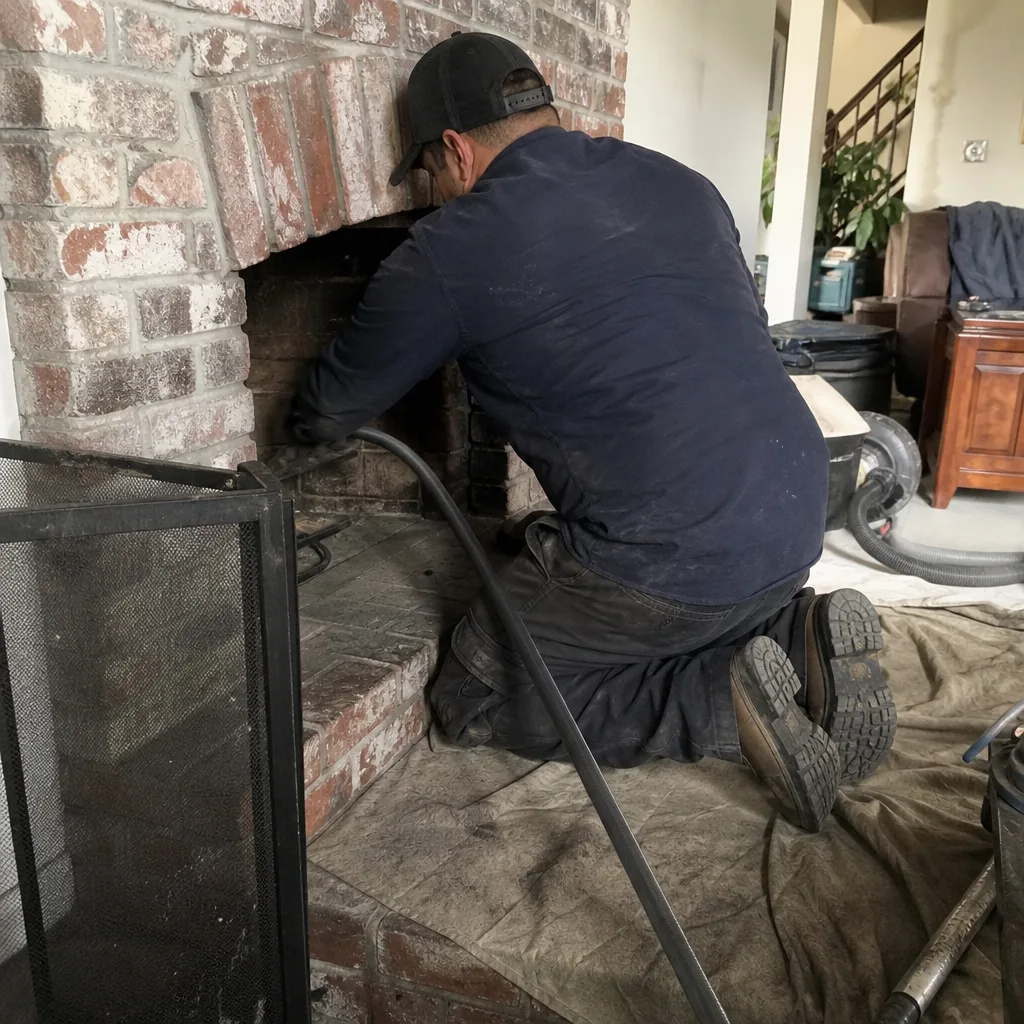 Before
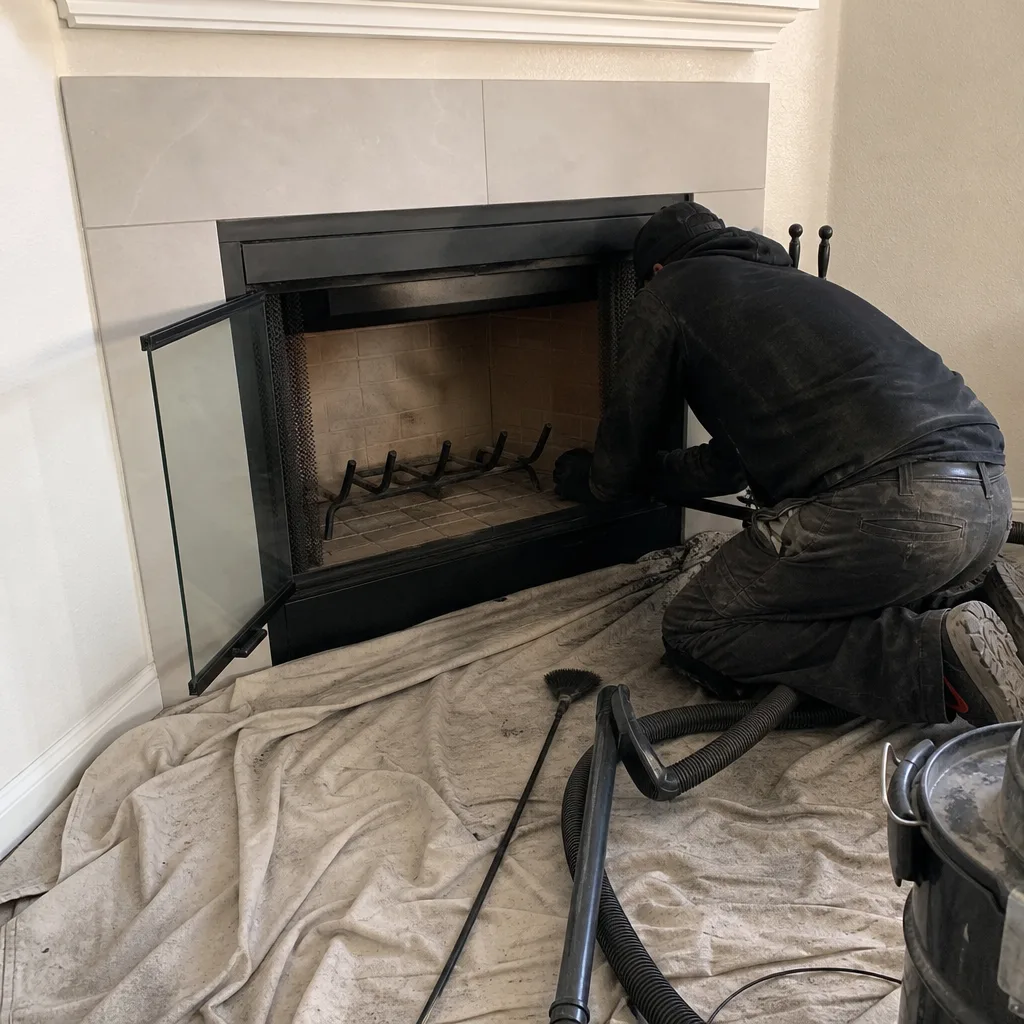 After
 Before
 After
 Before
 After