
Last updated October 30, 2026
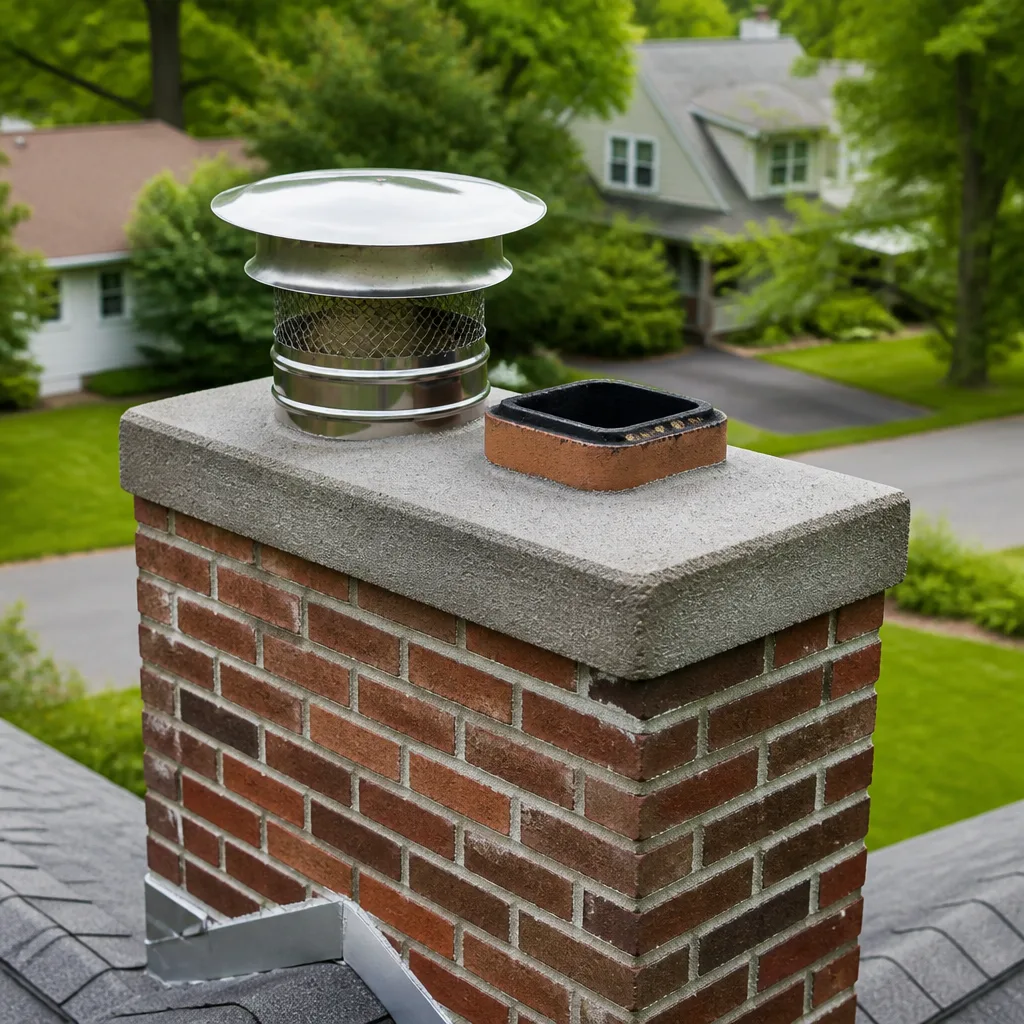 Sweep & inspection
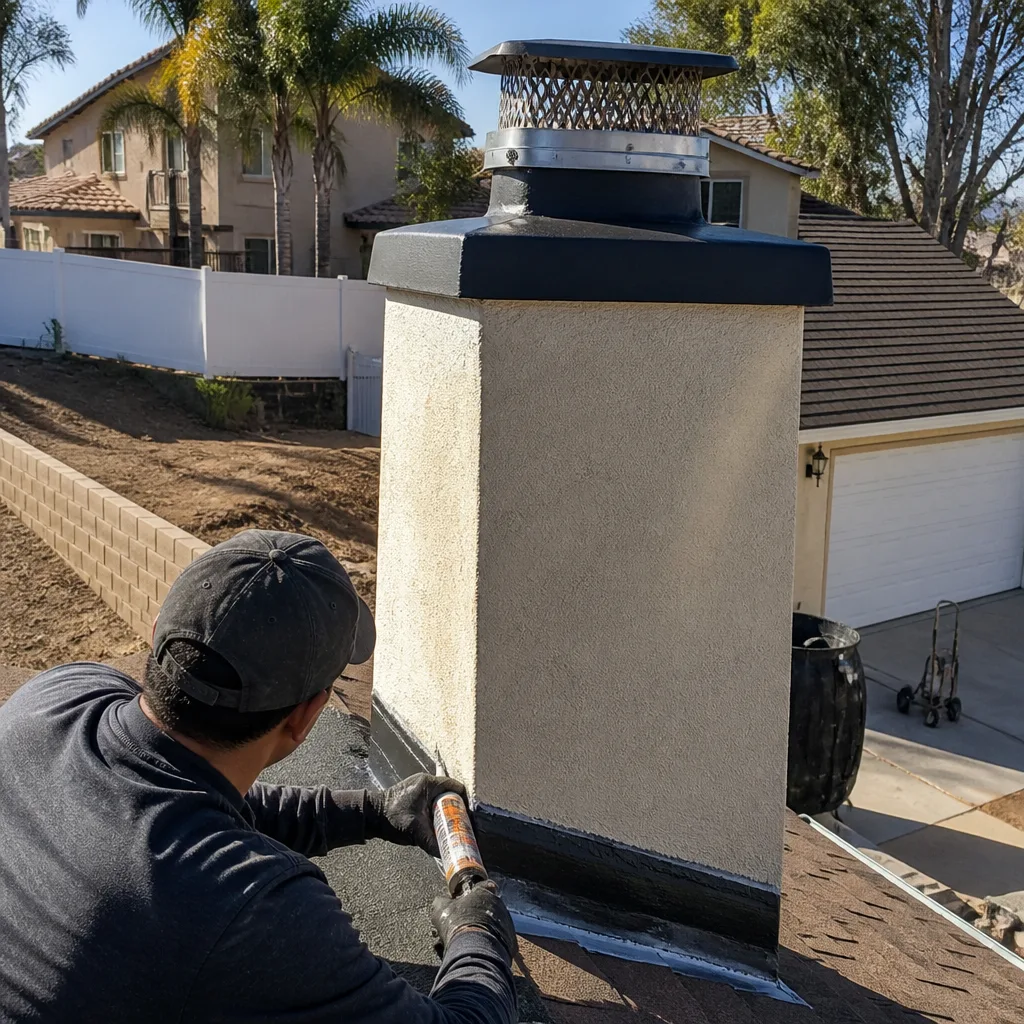
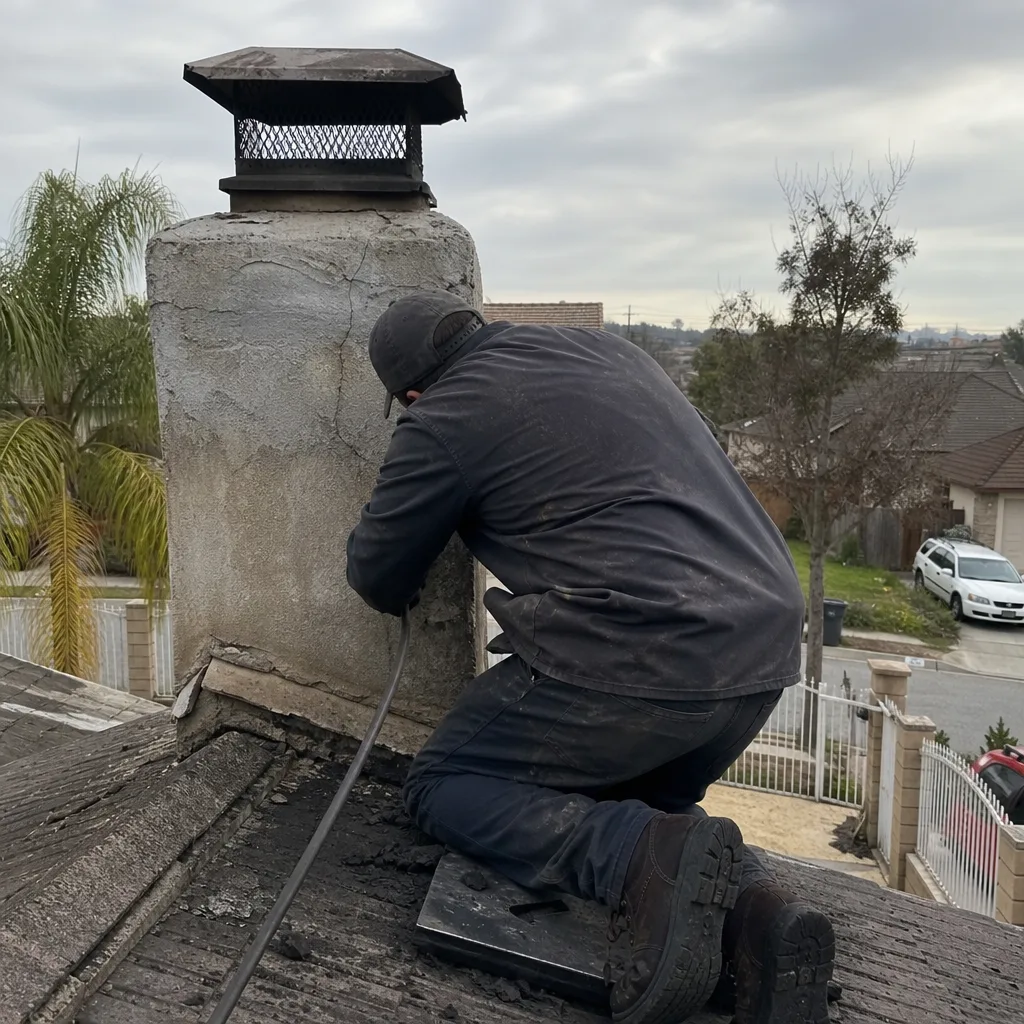
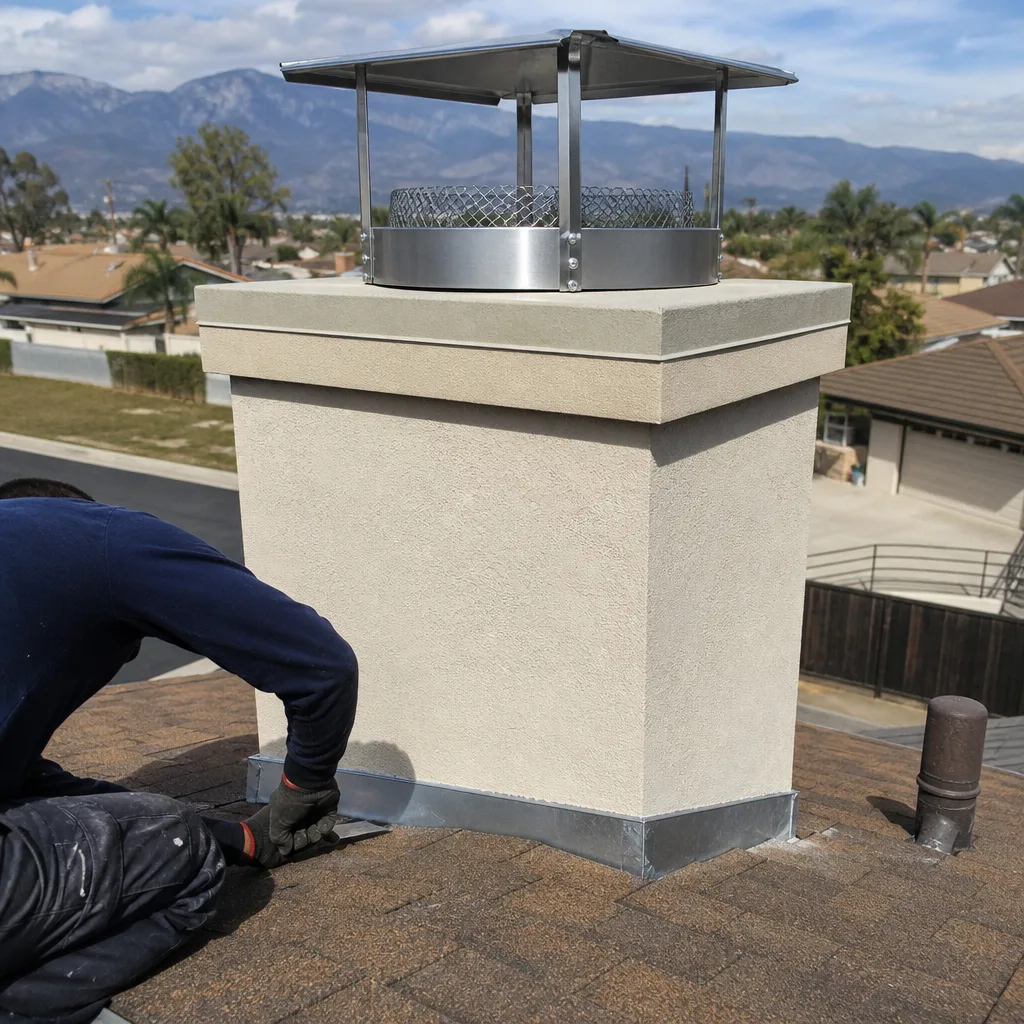
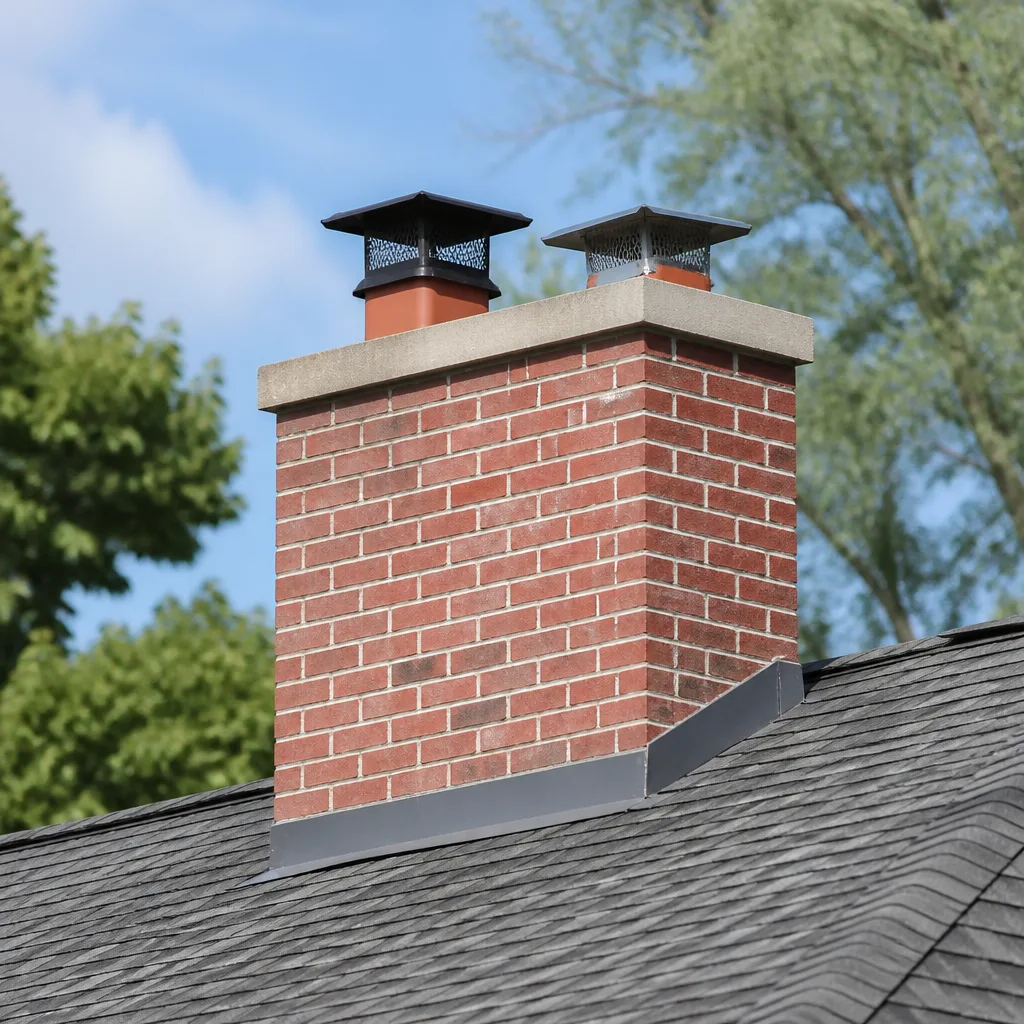 Caps & crowns
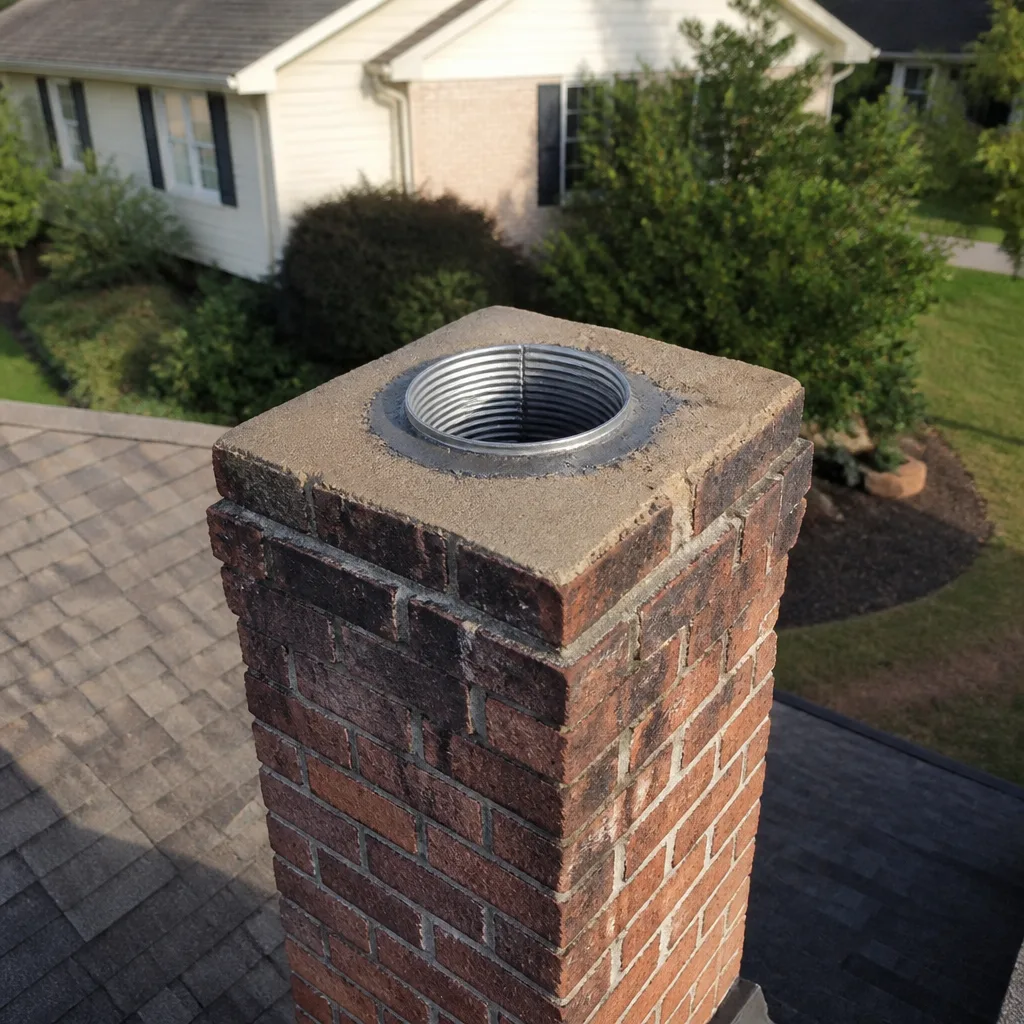 Flue relining
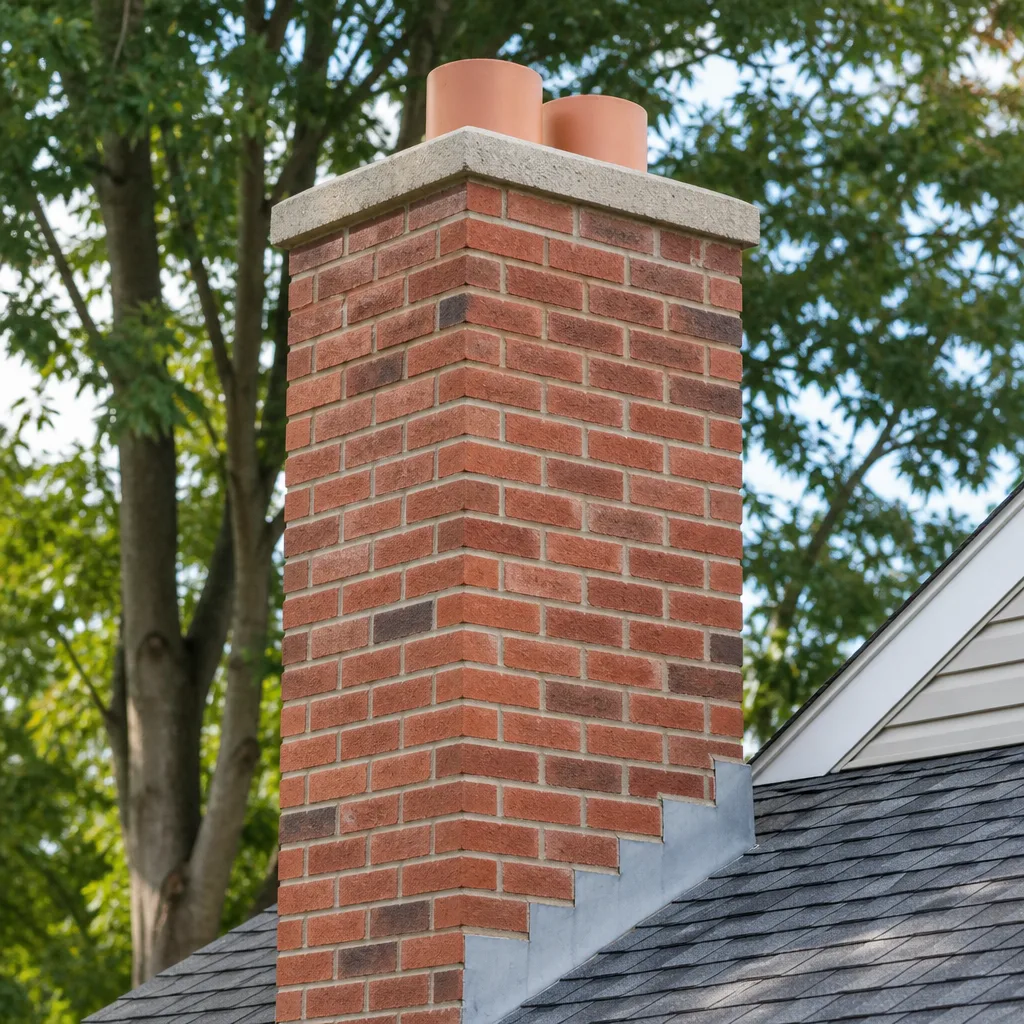 Masonry repair
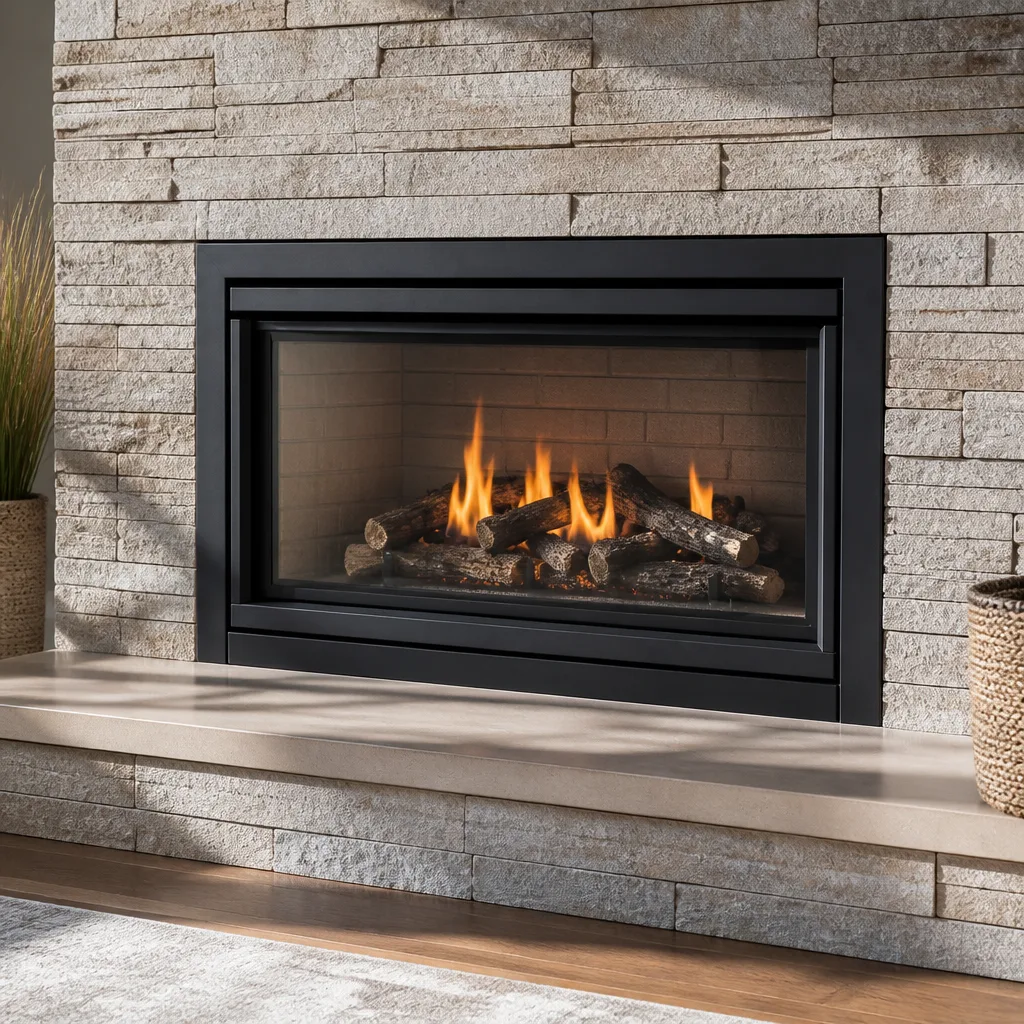 Gas fireplace service
Level 1 sweep and inspection to the NFPA 211 annual standard - flue, crown, cap, and flashing checked and photographed
Chimney sweep logs do not sweep chimneys. They loosen some creosote - which then falls where a brush and vacuum still have to collect it.
Chimney Cleaning Emergency Preparedness Guide for Rialto Homes
A chimney fire doesn’t always announce itself with a roar. Sometimes it sounds like a low rumble, like a freight train passing blocks away, or a rhythmic popping that homeowners dismiss as the house settling on a cold Rialto night. That’s the unnerving part. Inside the flue, creosote can be burning at 2,000°F while the living room stays perfectly calm. This guide tells you how to recognize a chimney emergency in real time, what to do in the first five minutes, and how to prepare your Rialto home so the conditions for a chimney fire or carbon monoxide backup never take root in the first place. For Chimney Cleaning Warning Signs: A Rialto Homeowner’s Reference Guide and more, see our blog.
Styles & brands we work with
Quick Answer
Chimney emergencies in Rialto homes fall into two categories: active chimney fires (creosote igniting inside the flue, often sounding like a rumble or popping) and silent carbon monoxide backup (blocked flues forcing combustion gases into living spaces). If you suspect an active chimney fire, close the damper if you can do so safely, evacuate everyone, and call 911 from outside. After any chimney fire or suspected blockage, do not use the fireplace again until a certified sweep completes a Level 2 CCTV inspection of the liner.
Table of Contents
- How to Recognize an Active Chimney Fire: Sound, Smell, and Smoke
- Carbon Monoxide Risk from Blocked Flues: What Rialto Homeowners Miss
- After the Fire: The Post-Chimney-Fire Inspection Protocol
- The Pre-Burn-Season Emergency Prevention Checklist
- Who to Call and in What Order: Fire, Sweep, Insurance
- Why Rialto’s Climate and Housing Stock Make Chimney Prep Different
- The Overlooked Connection: Dryer Vents as the Second Combustion Hazard
- Common Mistakes to Avoid
- When to Call a Professional
- Frequently Asked Questions
- The Bottom Line
How to Recognize an Active Chimney Fire: Sound, Smell, and Smoke
In our experience, the homeowners who catch chimney fires early are the ones who trust their senses over their assumptions. A chimney fire in Rialto does not always look like flames shooting out the top of the flue. Most of the time, the early signs are subtle and easy to misread.
Here is what an active chimney fire actually sounds like, smells like, and looks like:
- Sound: A low rumble, a deep whooshing, or a popping and crackling noise that seems to come from inside the walls or the chimney column. Some homeowners compare it to a train passing in the distance. Others say it sounds like heavy rain on a tin roof. If the noise is louder than a normal wood fire’s crackle and it’s coming from the flue, not the firebox, treat it as an active chimney fire.
- Smell: An acrid, hot, tar-like smell. Creosote burning has a distinct chemical sharpness that is completely different from the pleasant smell of seasoned oak or almond wood burning in the fireplace. If your living room suddenly smells like hot asphalt or a roofing crew is working nearby, that’s burning creosote inside the flue.
- Smoke behavior from outside: Thick, dark smoke pushing from the chimney cap with unusual force. If the smoke is dense and black or dark brown, not gray and wispy, creosote is likely igniting. In a worst-case scenario you’ll see flames or glowing embers exiting the top of the chimney. Do not wait for flames. Dense dark smoke and a rumble are enough to act.
Immediate response steps if you suspect an active chimney fire:
- Close the damper if you can do so without reaching near the firebox opening. Closing the damper cuts the air supply to the fire and can slow the burn. Do not put yourself at risk to do this. If there is any hesitation, skip to step two.
- Evacuate everyone from the house. Move to the sidewalk or a neighbor’s driveway. Do not stay inside to gather belongings.
- Call 911 from outside. Tell the dispatcher you suspect a chimney fire. Firefighters in Rialto respond to these calls regularly during the first cold weeks of fall and winter, and they’ll check the flue, the firebox, and the attic chase for extension.
- Do not use the fireplace again until a certified chimney sweep has performed a full inspection. A chimney that survived a fire may have cracked liner tiles or warped metal components that are invisible from the hearth. More on that below.
Here is the part most guides skip: the first cold snap in Rialto is when chimney fires happen. Every year, usually in November or early December, the first sustained cold front of the season pushes homeowners to light the first fire of the year. And every year, a percentage of those first fires burn hot against creosote deposits that accumulated the previous season and were never swept away. The pattern is predictable because the behavior is predictable. A chimney sweep before the first fire breaks that cycle completely.
Carbon Monoxide Risk from Blocked Flues: What Rialto Homeowners Miss
Not every chimney emergency involves fire. The quieter emergency is carbon monoxide backup, and it follows a different pattern in Rialto than people expect. A blocked flue, whether from an animal nest, leaves, or creosote buildup, prevents combustion gases from venting up and out. Those gases, including carbon monoxide, back up into the living space.
Carbon monoxide is colorless, odorless, and binds to hemoglobin faster than oxygen does. The early symptoms of CO exposure look and feel like the flu: headache, drowsiness, mild nausea, a general blah feeling. The critical difference is that flu symptoms don’t improve when you leave the house, but CO symptoms often do. A homeowner who feels sick by the fireplace and better in the backyard should treat that as a chimney blockage emergency, not a virus.
Animals are a bigger factor in Rialto than many homeowners realize. Birds, squirrels, and raccoons nest in chimneys during the spring and summer months when fireplaces sit unused. A nest made of twigs, leaves, and animal fur can block a flue completely. The first fire of the season then pushes carbon monoxide directly into the bedroom hallway. This is not a rare occurrence. It is a seasonal pattern we see every autumn in homes across the region.
Carbon monoxide detector placement for homes with fireplaces:
- One CO detector in the hallway outside every sleeping area, mounted at least 15 feet from fuel-burning appliances to avoid false alarms.
- One CO detector in the same room as the fireplace if that room is used for sleeping or if the fireplace is in a basement den or converted garage.
- Do not install CO detectors near the fireplace opening itself. The heat and brief smoke puffs from a normal fire will trigger false readings. Mount them on the ceiling or high on the wall, 10 to 15 feet away.
- Test every detector monthly during burn season. Rialto winters stretch from November through February, and that’s the window when detectors earn their keep.
If a CO detector sounds and anyone in the home has a headache or feels off, do not open windows and wait. Evacuate and call 911. Firefighters carry CO meters far more sensitive than residential detectors and can pinpoint the source, including a blocked chimney flue.
Prevention here is straightforward. Before the first fire of the season, a certified chimney sweep checks the flue for animal intrusion and debris, verifies the cap is intact, and confirms the damper opens and closes. On a Chimney Sweep in Rialto appointment, this is standard practice, not an add-on.
There is a product connection worth knowing about. The parts on top of your chimney matter as much as the flue itself. A properly fitted cap from a brand like Copperfield keeps animals out without restricting draft. The difference between a hardware-store cap that rusts out in two seasons and a Copperfield cap that seats correctly on a specific flue tile is the difference between a blocked chimney and a clear one. We specify brands like Copperfield and Olympia Chimney because the fit and material quality are consistent enough to trust as part of a whole-system diagnosis, not just a shine-up.
After the Fire: The Post-Chimney-Fire Inspection Protocol
A chimney that went through a chimney fire cannot be used again until someone has looked inside with a camera. That is not overcautious. That is the minimum standard.
Here is why. Chimney fires burn hot enough to crack clay flue tiles. A cracked flue liner can allow heat and gases to reach the wood framing around the chimney chase, which sets up the next house fire. A chimney that survived a chimney fire may look fine from the hearth. The firebox bricks are intact, the damper still opens, the cap is still on top. But the liner, which you cannot see without a camera, may be compromised.
The protocol after any chimney fire is specific:
- Do not build another fire. Not a test fire, not a small fire, not a Duraflame log. Nothing.
- Schedule a Level 2 inspection. This is the industry term for a chimney inspection that includes a closed-circuit camera scan of the entire flue interior. A Level 1 visual inspection is not enough after a fire. The camera is the difference between looking at the flue and looking inside the flue.
- Have the inspection documented. If the chimney fire caused damage, your homeowner’s insurance carrier will want a written report from a qualified chimney professional. The report should state what the camera found, what needs repair, and whether the chimney is safe to use. This documentation is often the deciding factor in whether an insurance claim is approved.
- Repair or reline only what the camera evidence shows. This is where the materials conversation matters. A cracked clay liner can often be restored with a product like HeatShield, a cerfied repair method that coats and seals the damaged flue from the inside. If the damage is beyond restoration, a stainless liner like DuraFlex may be specified. Neither recommendation should be made without camera footage. A homeowner should never be told they need $6,000 of work based on a flashlight and a mirror.
The insurance angle is something most guides skip. After a chimney fire, a homeowner’s insurance company will ask specific questions: When was the chimney last swept? Who did the work? Was the damage pre-existing? An inspection report from a certified chimney professional answers those questions with documentation, not memory. If the inspection turns up damage, the report justifies the claim. If it turns up no damage, it documents that the chimney is safe. Either way, the homeowner has a paper trail.
The Pre-Burn-Season Emergency Prevention Checklist
Chimney emergencies follow a seasonal pattern in Rialto, and the best emergency response is the one you never have to make. This Chimney Sweep Maintenance Checklist for Rialto Homeowners, completed before the first fire of the season, eliminates the conditions that cause most chimney fires and CO backups.
- Confirm the chimney cap is present and intact. A missing or rusted cap is an open invitation for birds, squirrels, rain, and leaves. Rialto’s warm springs and summers mean animals are active in chimneys for months before anyone notices. A Copperfield or Olympia Chimney cap, correctly fitted, keeps animals out without choking draft.
- Schedule a professional creosote level check. Creosote is the byproduct of wood combustion that condenses on flue walls. The buildup accelerates faster with green wood, soft woods, and low-temperature fires. The first cold snap is the wrong time to discover a quarter-inch of glazed creosote on your flue walls.
- Test the damper seal. A damper that doesn’t close fully lets warm indoor air escape up the chimney in winter. More importantly, a damper that doesn’t open fully restricts draft and pushes smoke into the room. The damper should open and close smoothly with no debris blocking the track.
- Check the visible firebox masonry. Loose bricks, crumbling mortar, or stains on the firebox floor are signs that heat or moisture has been doing quiet damage. A deteriorating firebox can allow heat to reach combustible framing.
- Clean the dryer vent as part of the same season prep. Why is a dryer vent on a chimney checklist? Because both are part of the home’s combustion-ventilation system. A clogged dryer vent is a fire hazard that peaks during the same fall and winter months as chimney fires. Handling both in one appointment is the more complete approach.
- Replace smoke and CO detector batteries. Even the best chimney maintenance can’t prevent every problem. Detectors are the backstop. Fresh batteries in October are cheap insurance for burn season.
A Chestnut Chimney Sweep home appointment covers the chimney sweep portion of this checklist. We do not sell scare tactics. We show you what the camera sees and tell you what actually needs work this season versus what can wait.
Who to Call and in What Order: Fire, Sweep, Insurance
The order matters. Homeowners in Rialto who get this sequence wrong lose time, money, or both.
First: Call 911 if there is an active fire or CO alarm. The fire department’s job is to make the immediate situation safe. They extinguish or contain the fire, ventilate CO, and declare when the house is safe to re-enter. They do not repair chimneys, and they do not document liner condition for insurance purposes. They are step one, not the only step.
Second: Call a certified chimney sweep for a post-incident inspection. After the fire department leaves and the dust settles, a professional Level 2 inspection with CCTV documentation tells you whether the chimney is safe, what failed, and what needs repair. This is the person who writes the report that matters to your insurance carrier.
Third: Call your homeowner’s insurance company. The order here is deliberate. Calling insurance before the inspection means you’re describing the damage without documentation. Calling the sweep first means you’re providing the adjuster with a written, camera-backed report from day one. Claims move faster when the evidence arrives with the claim.
Why does the insurance documentation matter so much? Because after a chimney fire, the handler’s first question is whether the fire was caused by homeowner negligence. A documented inspection history, including regular sweeps and a post-incident Level 2 report, demonstrates that the chimney was maintained and the fire was an accident. An undocumented chimney that hasn’t been swept in five years sends the claim in a different direction. For a deeper look at what goes into a sweep, see our Chimney Sweep in Rialto page.
Why Rialto’s Climate and Housing Stock Make Chimney Prep Different
Rialto’s specific climate creates specific chimney conditions. This is not generic advice dressed up with a city name.
First, the burn season pattern. Rialto’s fall transitions can be abrupt. The first real cold front of the season often drops temperatures twenty degrees in a day. That’s the day everyone in the neighborhood lights the first fire of the season, and it’s the day chimney fires spike. The creosote that built up during last season’s final weeks has been sitting on flue walls all spring and summer, drying and hardening. The first hot fire of the new season hits that dried creosote, and ignition risk climbs. This is not a possibility. It is a seasonal pattern we expect every year.
Second, the animal factor. Rialto’s warm springs and summers give birds and squirrels a long nesting season. A chimney without a proper cap can host multiple nests in a single summer. The first fire of the season then sends smoke and carbon monoxide straight into the house when that nest blocks the flue. In neighborhoods with mature trees near the roofline, the risk is higher still.
Third, the housing stock. Many Rialto homes were built in the 1960s through 1980s, and a meaningful share have original clay flue liners. Clay liners crack over time, especially after years of heating and cooling cycles. A cracked liner cannot be seen from the hearth and cannot be repaired by a standard chimney sweep. It requires a camera inspection to identify and either a restoration product like HeatShield or a stainless reline with DuraFlex to correct. Homes with older liners benefit from camera verification before burn season, not after a problem shows up.
The point is not that Rialto chimneys are unusually dangerous. The point is that Rialto chimneys follow a specific seasonal rhythm, and preparing for that rhythm is a matter of timing and awareness, not luck.
The Overlooked Connection: Dryer Vents as the Second Combustion Hazard
Chimney emergencies get the attention, but dryer vent fires are statistically a major residential fire source in the United States, and they peak during the same fall and winter months when chimneys are working hardest. A homeowner who preps the fireplace but ignores the dryer vent has only covered half the combustion-safety equation.
Why together? Because both systems share the same failure mode: combustible material accumulating in a duct or flue that carries hot air. In a chimney, the combustible material is creosote. In a dryer vent, it’s lint. The fix is the same discipline, applied twice: clear the pathway before the buildup reaches ignition temperature.
Signs that a dryer vent is building the conditions for a fire:
- Two cycles to dry one load. This is the most common early sign. Restricted airflow means the dryer runs hotter and longer to do the same job.
- A burning smell in the laundry room. Lint smoldering in a clogged vent produces a distinct hot-dust smell. This is not “how dryers smell.” This is a fire condition developing.
- The dryer exterior is unusually hot to the touch. A hot dryer body means heat is not being exhausted properly.
- The vent flap outside doesn’t open fully during the cycle. This restricts lint ejection and lets lint pack into the duct.
We treat dryer vent cleaning as a fire-safety service, not a sideline. The parts matter in dryer venting too: Famco makes vent components built to handle the airflow and heat of original installation and replacement work. Most homeowners never think about what brand their vent cap is, and that’s precisely the point. When the part is specified correctly, it works. When it’s not, lint accumulates faster and the risk climbs. See our Dryer Vent Cleaning in Rialto page for more.
One appointment can cover both the chimney and the dryer vent. That is not a sales line. It is a practical point about the fact that both systems are ignition sources and both need the same seasonal attention. Clean flue, clear vent, safer season.
Common Mistakes to Avoid
- Waiting for flames to confirm a chimney fire. By the time you see flames exiting the chimney cap, the fire has been burning inside the flue for minutes, and the liner may already be compromised. Trust the rumble and the acrid smell.
- Opening the damper during a suspected chimney fire. The instinct to “let the fire breathe” is backwards here. Closing the damper starves the fire of oxygen. Opening it accelerates the burn.
- Using the fireplace after a fire because “it seems fine.” A chimney that survived a chimney fire may have hidden liner damage. Only a CCTV inspection can verify integrity. “Seems fine” has burned down houses.
- Skipping the first-season sweep because “we barely used the fireplace last year.” Even light use produces creosote. And a chimney that sat unused is an animal nesting candidate. Neither condition improves with another season of waiting.
- Installing a cheap hardware-store chimney cap without checking the fit. A cap that doesn’t match the flue tile dimensions will either restrict draft or leave gaps for animals. Rialto’s nesting season is long enough that a gapped cap is a standing invitation.
- Placing a CO detector directly above the fireplace. False alarms from normal smoke puffs will train you to ignore the detector, and then it won’t matter when a real CO backup happens. Detectors go at least 10 to 15 feet away.
- Calling insurance before getting a post-fire inspection. The adjuster needs documentation, not a verbal description. Get the Level 2 report first, then file the claim. The evidence is the claim.
When to Call a Professional
Some situations are obvious: you suspect a chimney fire, your CO detector is sounding, or you’ve had any fire incident in the flue. Those warrant immediate professional attention. But there are quieter thresholds too. If you haven’t had the chimney swept in over a year and burn season is approaching, schedule the sweep now, before the first cold snap. If you notice a burning smell in the laundry room or your dryer is taking twice as long as it used to, the dryer vent needs professional cleaning. If you hear animals in the chimney at any time of year, a cap replacement and inspection should follow before you light anything. Chestnut Chimney Sweep offers free estimates in Rialto. Call (855) 360-4975 and we’ll tell you what needs doing and what can safely wait.
Frequently Asked Questions
A professional chimney sweep in Rialto typically runs between $150 and $300 for a standard open-flue fireplace, depending on creosote level, flue height, and whether animal debris needs removal. That’s a fraction of the cost of a liner replacement after a chimney fire. Call (855) 360-4975 for an exact quote. Estimates are free, and we’ll tell you if a sweep is even needed before booking anything.
A wood-burning chimney should be swept at least once per burning season, and more often if you burn frequently or burn wood that hasn’t been fully seasoned. Gas and pellet fireplaces still need annual inspections, though they accumulate less creosote than wood. The one-season minimum keeps creosote levels below the threshold where chimney fire risk climbs sharply.
Creosote accumulates on flue walls and hardens over time. The next hot fire can ignite that creosote, producing a chimney fire that reaches 2,000°F, cracks the liner, and potentially extends into the home’s framing. Skipping a sweep also allows animal nests and debris to build up undetected, which can force carbon monoxide into living spaces. The risk compounds every season, not linearly.
Not always. Some liners survive a chimney fire with minor damage that can be restored with HeatShield, a cerfied repair method that seals cracked flue tiles from the inside. Other liners need full replacement with something like DuraFlex stainless. The only way to know is a Level 2 camera inspection. No homeowner should accept a liner recommendation without seeing the camera footage that justifies it.
You can, but most homeowners lack the equipment to do it safely and thoroughly, and a DIY sweep won’t catch liner damage, damper issues, or animal intrusion the way a professional camera inspection will. The more useful question is whether you’d rather pay for a sweep or miss the early warning signs of a chimney fire. We recommend the sweep.
Burn only seasoned hardwoods, keep the fire on the smaller side rather than roaring, make sure the damper is open during fires and closed when the fireplace is idle, and listen for any persistent popping or rumbling sounds during burns. Those sounds are never normal fireplace noises. They’re creosote heating up inside the flue, and they mean it’s time for a sweep.
The Bottom Line
Chimney emergencies in Rialto are predictable, and because they’re predictable, they’re largely preventable. A chimney fire is usually the result of creosote buildup that sat on flue walls through the off-season, waiting for the first cold snap. A carbon monoxide backup is usually the result of an animal nest or debris blocking a flue that nobody looked at since spring. Both conditions have simple, affordable prevention: a professional sweep before burn season, a working chimney cap, tested CO detectors, and a camera inspection after any suspected incident. The theme running through this entire guide is that small, early actions beat large, late reactions. Every time.
Contact: Chestnut Chimney Sweep offers free estimates for chimney sweeping, chimney repair, and dryer vent cleaning in Rialto. Call (855) 360-4975 to schedule your pre-burn-season inspection.
Written by the team at Chestnut Chimney Sweep, serving Rialto since 2012.
See the difference
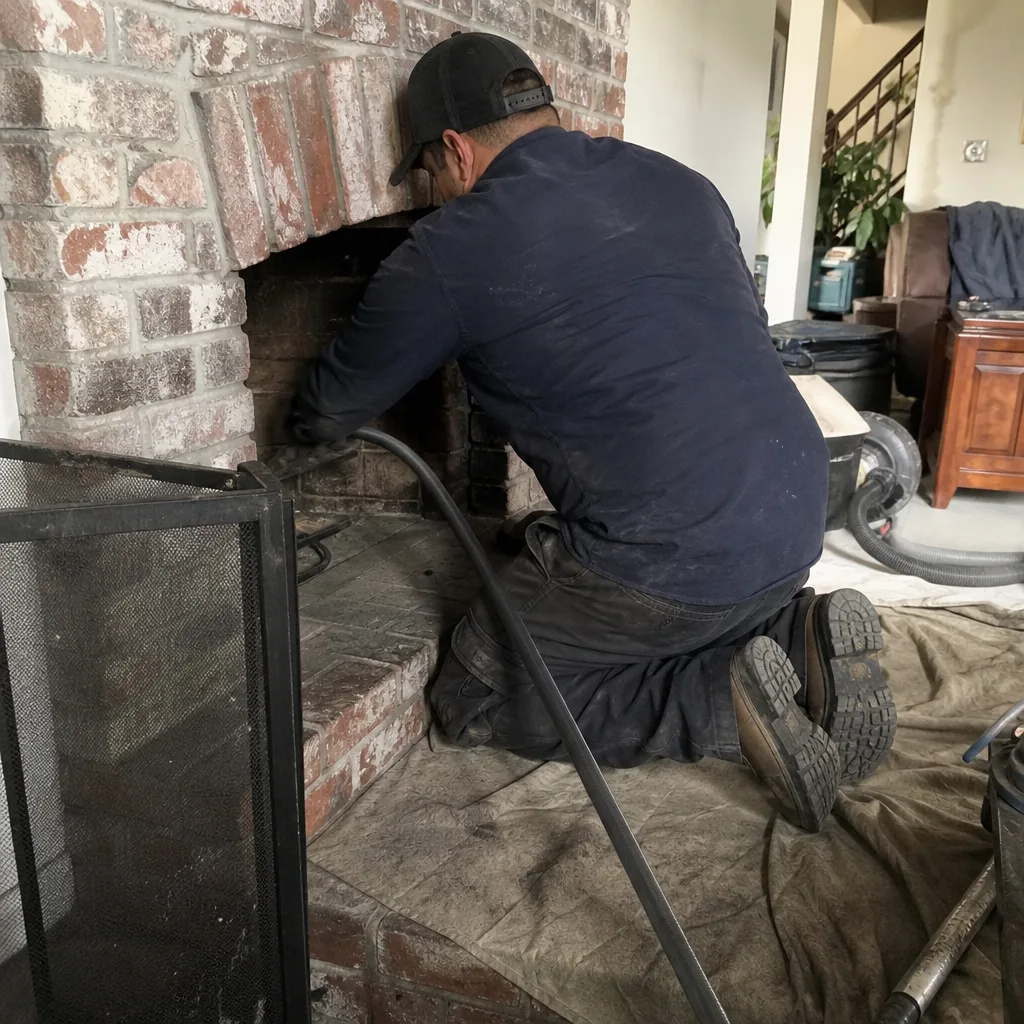 Before
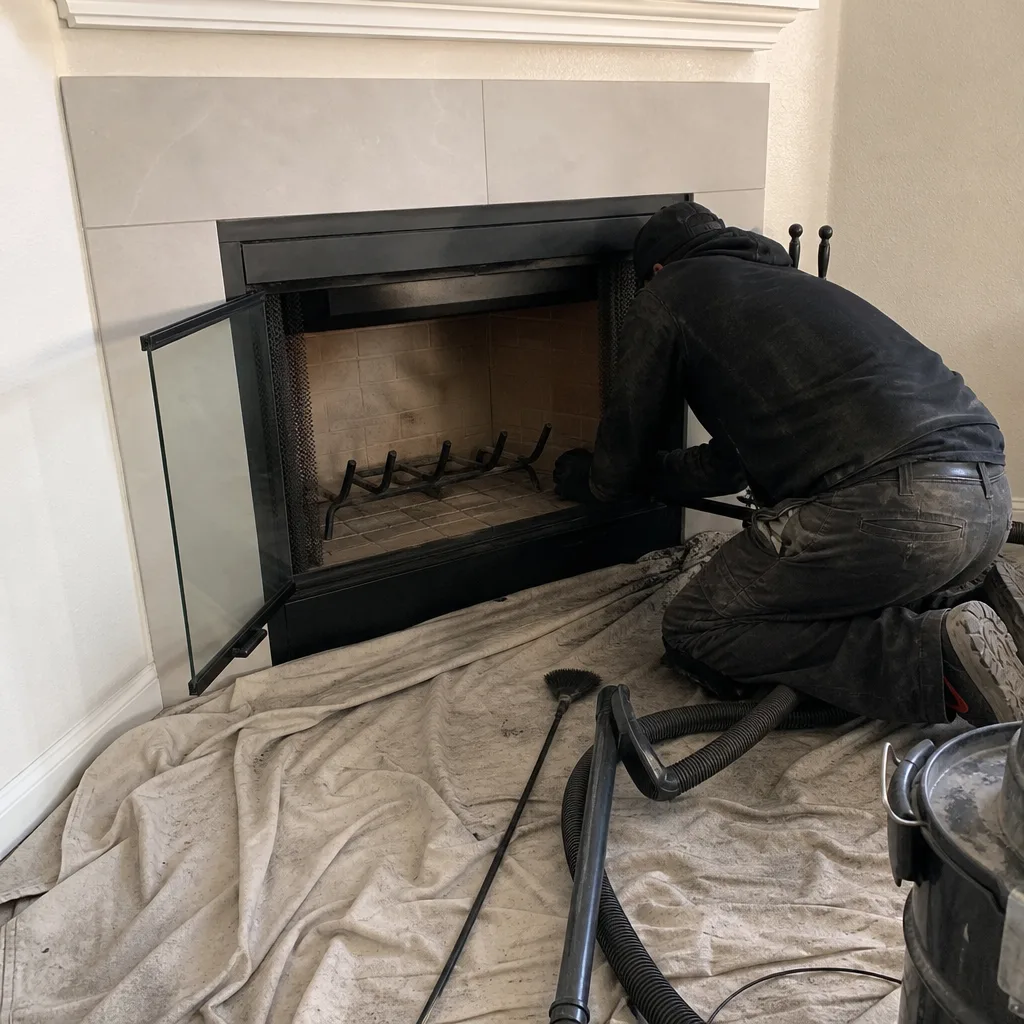 After
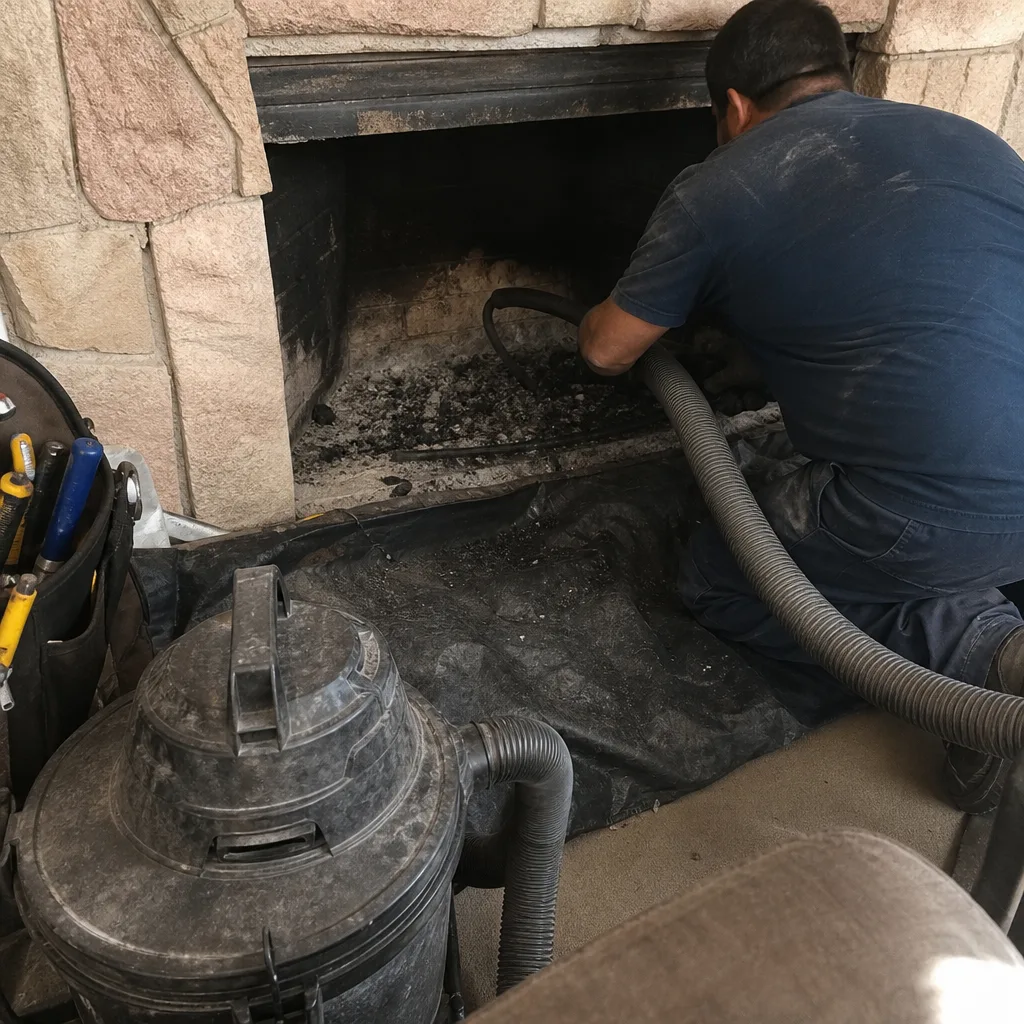 Before
 After
 Before
 After