
Last updated October 30, 2026
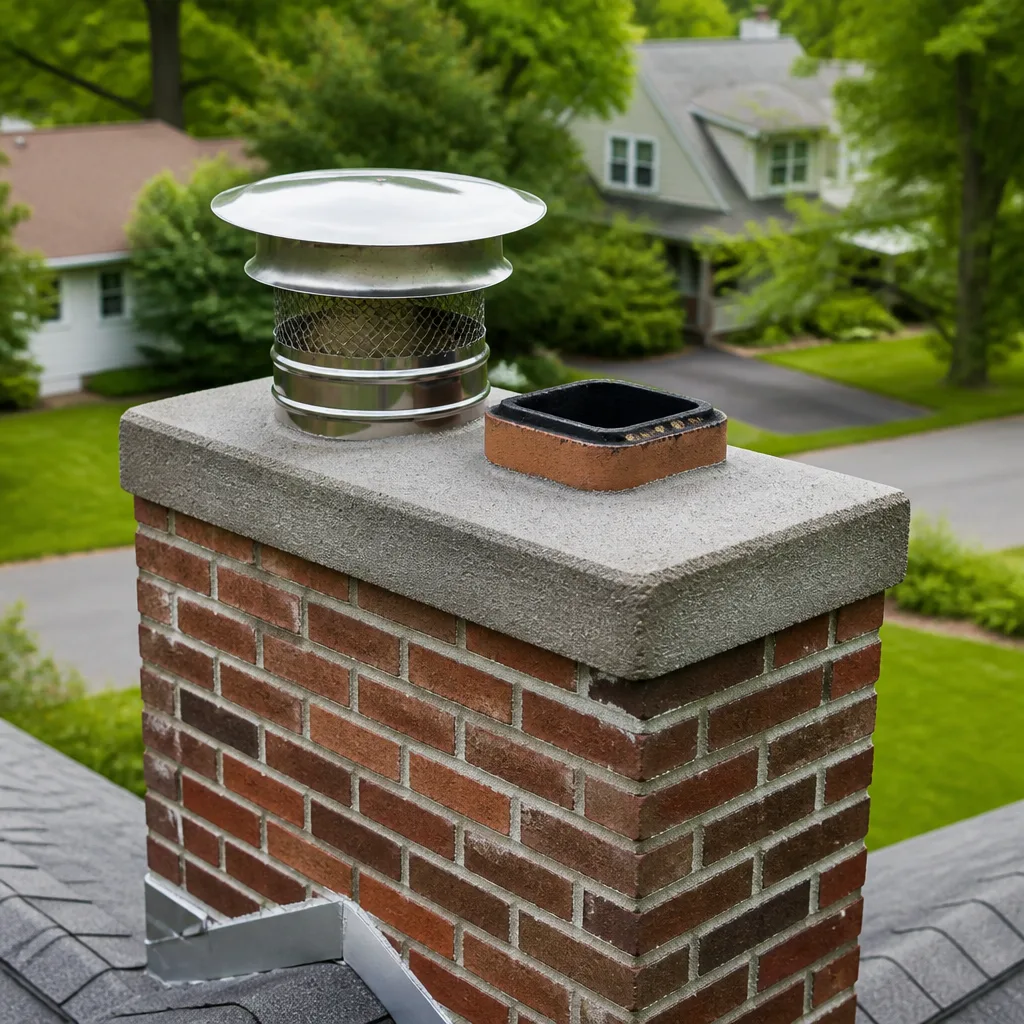 Sweep & inspection
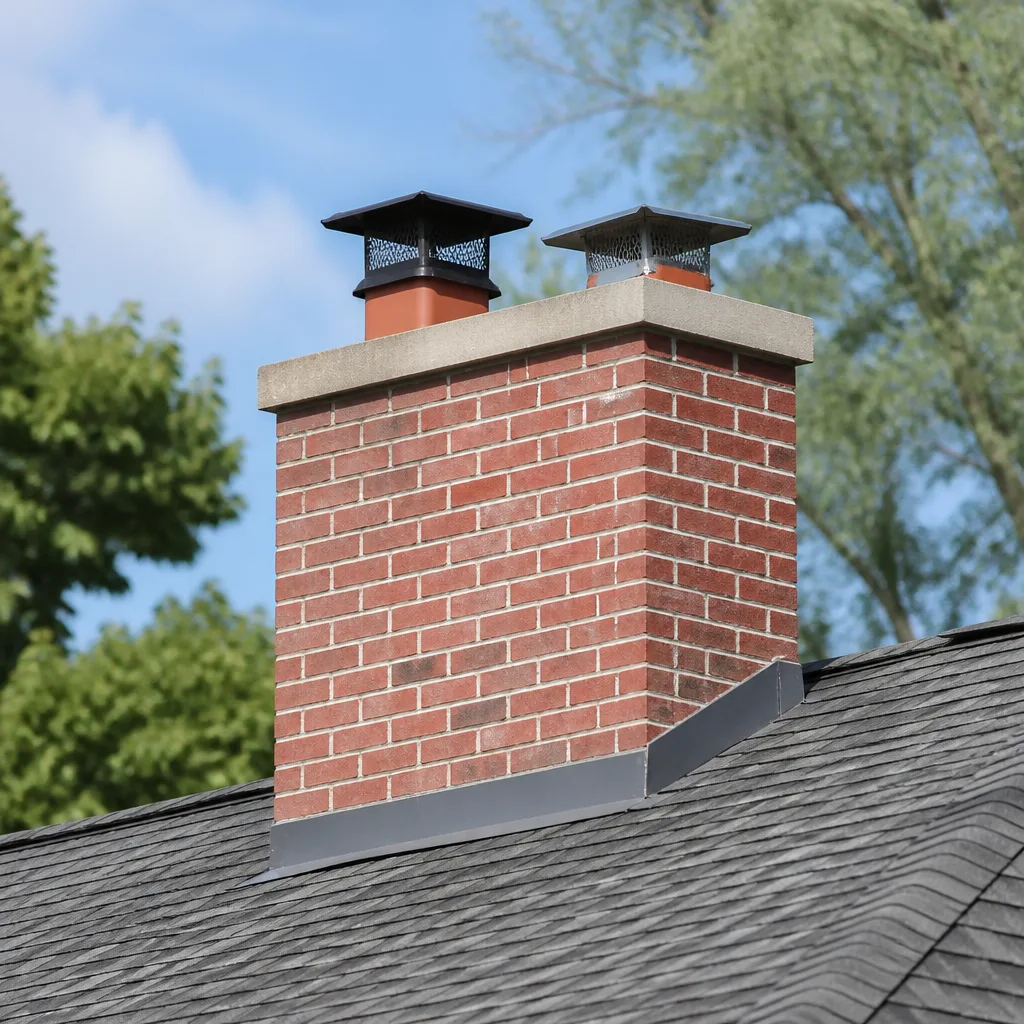 Caps & crowns
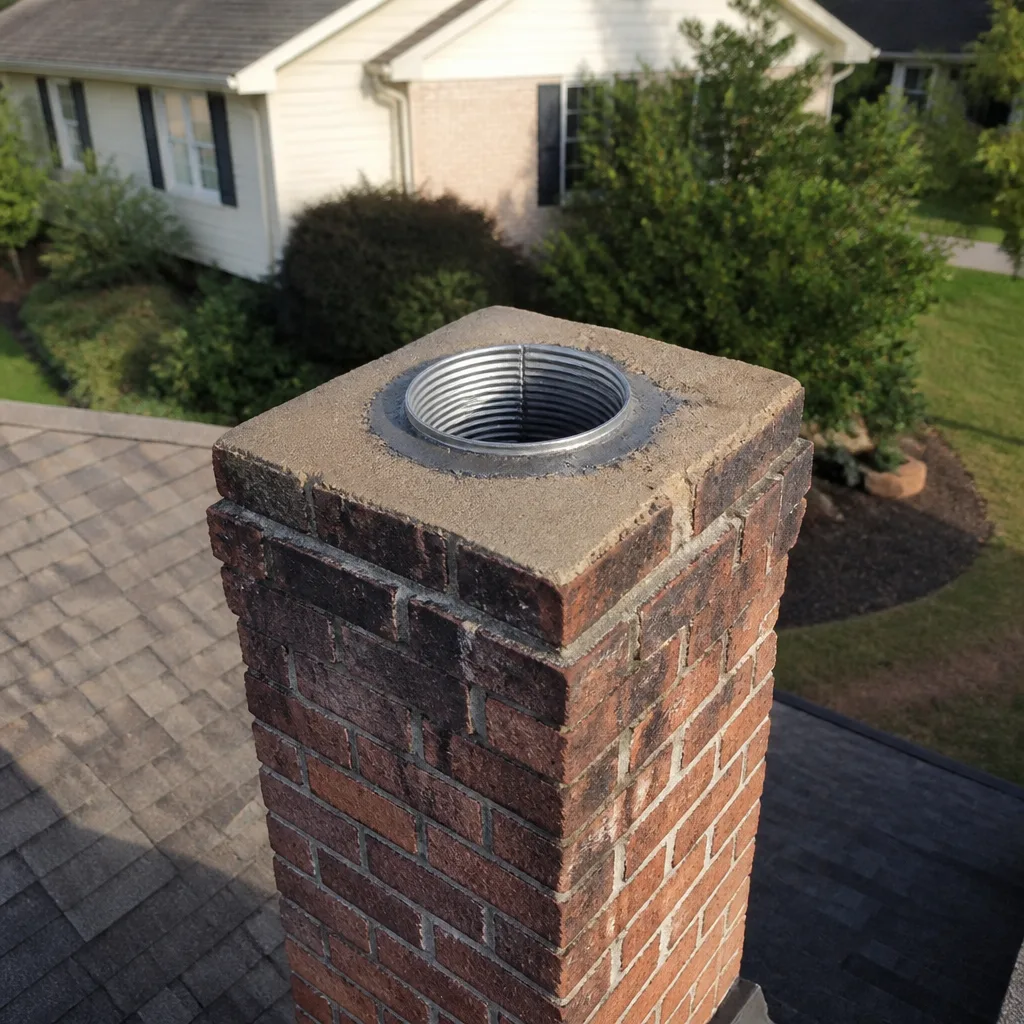 Flue relining
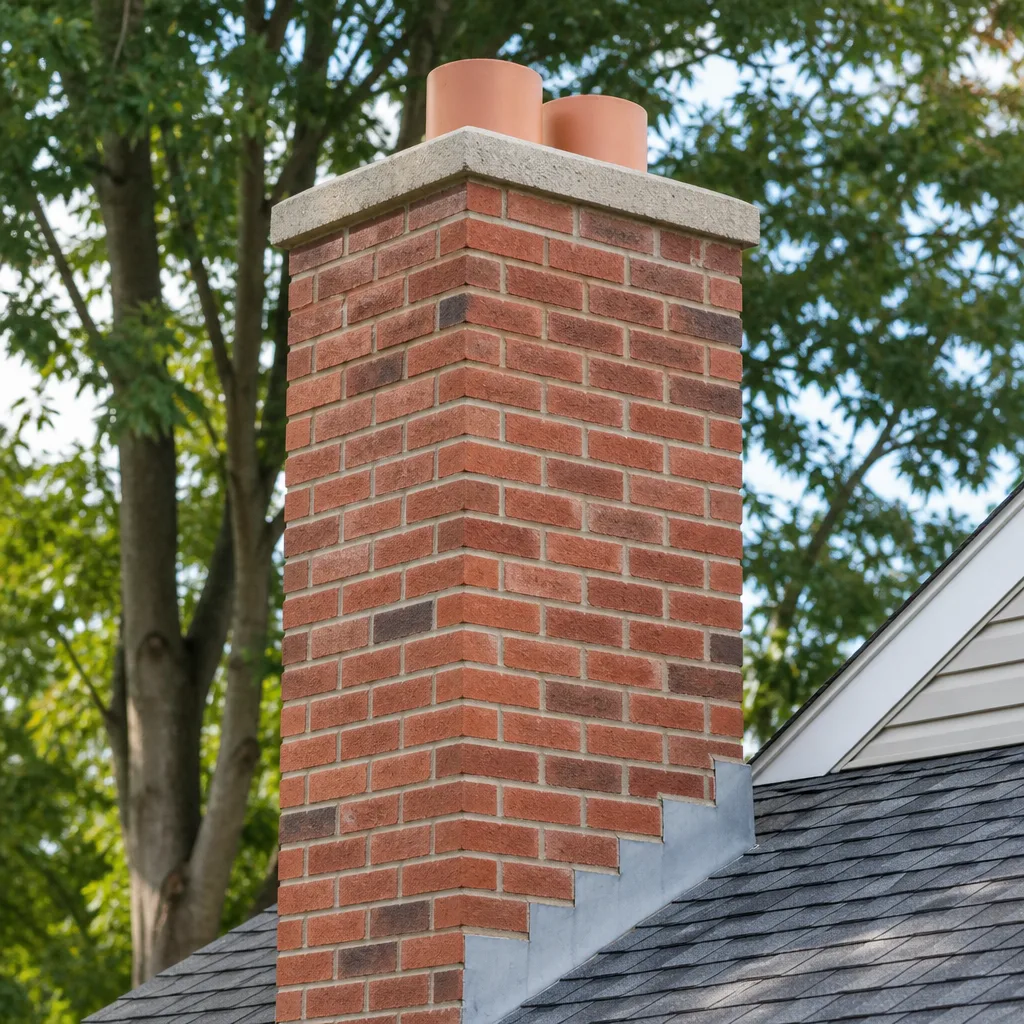 Masonry repair
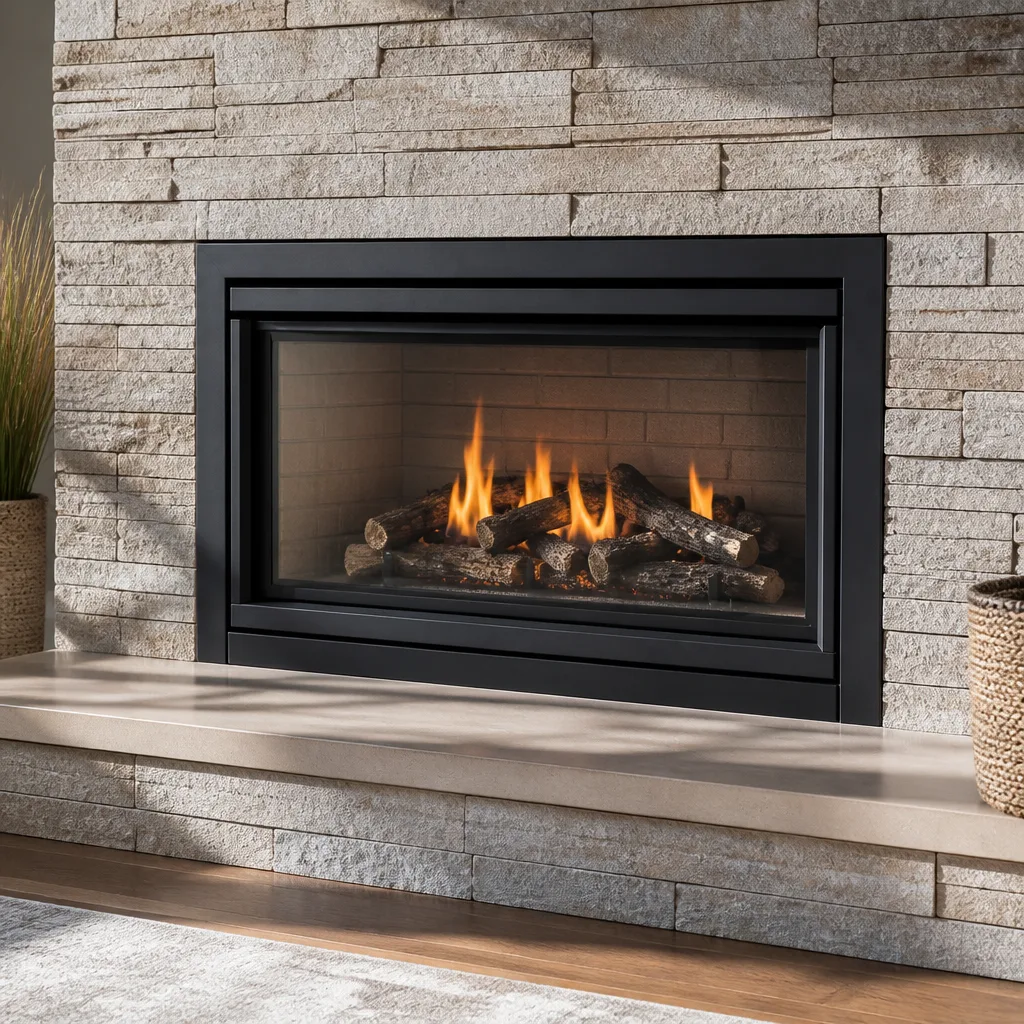 Gas fireplace service
Level 1 sweep and inspection to the NFPA 211 annual standard - flue, crown, cap, and flashing checked and photographed
Chimney sweep logs do not sweep chimneys. They loosen some creosote - which then falls where a brush and vacuum still have to collect it.
Chimney Cleaning Permits, Codes & Inspections in CA: What You Need to Know
California’s chimney code requirements aren’t enforced until something goes wrong. But when a house fire investigation finds unpermitted liner work, it can void a homeowner’s insurance claim entirely. That’s a risk almost no one discusses at the point of hire, and it’s one we see Rialto homeowners face when flue damage gets discovered during a routine sweep. This guide maps exactly where the permit line sits in California, what the California Mechanical Code actually says about chimneys, how inspections differ depending on who’s holding the clipboard, and what unpermitted work means when you try to sell your home.
Quick Answer
A standard chimney sweep requires no permit anywhere in California. The moment work crosses into liner replacement, firebox rebuilding, flue resizing, or installing a new appliance insert, you typically need a mechanical permit from your local building department, in Rialto that’s the City of Rialto Building & Safety Division, and the work must comply with the California Mechanical Code (CMC) and California Building Code (CBC). Inspections after permitted work are done by city or county inspectors, not the chimney sweep, and an NFPA 211 technician inspection is a separate safety evaluation that never replaces a code inspection.
Styles & brands we work with
Table of Contents
- Do You Need a Permit for Chimney Cleaning in California?
- What the California Mechanical Code Says About Chimneys
- Cleaning vs. Repair vs. Replacement: Where’s the Permit Line?
- Rialto and San Bernardino County: Local Permit Requirements
- Chimney Work and Real Estate Disclosures: What Sellers Need to Know
- Fire Marshal Inspections vs. NFPA 211 Technician Inspections
- How to Verify a Contractor Will Pull Permits
- What to Do Before, During, and After Permitted Chimney Work
Do You Need a Permit for Chimney Cleaning in California?
No. A routine chimney sweep, the removal of creosote and soot from the flue with brushes, rods, and a vacuum system, does not require a permit in any California jurisdiction we’re aware of. The cleaning process doesn’t alter the structure, doesn’t change the venting path, and doesn’t involve installing or modifying any components. You can schedule a sweep in Rialto tomorrow morning and no government agency will ask for paperwork.
Here’s what’s included in a standard sweep that keeps it squarely in the no-permit zone:
- Removing creosote, soot, and debris from the flue interior
- Brushing the smoke chamber and firebox
- Vacuuming the smoke shelf and damper area
- Performing a basic visual inspection of accessible flue surfaces
- Cleaning the chimney cap if accessible from the roofline
The permit question changes the second work moves from cleaning to altering. If a sweep discovers a cracked flue tile and recommends repair, that repair may require a permit depending on the method. HeatShield restoration, for example, involves applying a specialized resurfacing material inside the existing flue, and whether that triggers a permit depends on how the local building official classifies the work. In our experience, most California jurisdictions treat liner relining or restoration as a repair requiring a mechanical permit when it changes the flue’s dimensions or material composition.
One clarification worth making: the absence of a permit requirement for cleaning doesn’t mean the cleaning is unregulated. The National Fire Protection Association’s NFPA 211 standard defines the proper procedures, tools, and inspection points. A reputable sweep follows that standard even when no permit is involved. The Chestnut Chimney Sweep home page describes how we approach sweeps, always with NFPA 211 as the baseline.
What the California Mechanical Code Says About Chimneys
The California Mechanical Code (CMC) is part of the California Code of Regulations, Title 24, and it governs the installation, alteration, and repair of heating, ventilating, and mechanical systems. Chimneys and vents fall under its scope because they are part of the appliance venting system. The CMC is based on the Uniform Mechanical Code, with California-specific amendments.
The key CMC chapters for chimney work are:
- Chapter 8 (Chimneys and Vents): Covers sizing, construction, clearance to combustibles, termination heights, and materials allowed for chimney and vent systems. This chapter is what a contractor references when determining whether a DuraFlex liner is the right diameter for a given appliance.
- Chapter 3 (General Regulations): Defines what requires a permit versus what qualifies as exempt work. Section 105 in the CMC mirrors Section 105 of the California Administrative Code: minor repairs and maintenance are exempt, but new installations and significant alterations require a permit.
- Chapter 9 (Specific Appliances): Governs the venting requirements for fireplaces, wood stoves, pellet stoves, and gas appliances that connect to a chimney.
Here’s the practical reading most homeowners need, along with our Chimney Sweep Troubleshooting: Common Problems and How to Fix Them resource: a permit is required when chimney work involves structural modification, flue size changes, liner installation, or the connection of a new appliance to an existing chimney. Resurfacing a flue with HeatShield or pulling a new DuraFlex liner through an old clay tile flue both fall into the category where a mechanical permit is typically called for, because the work materially changes the venting system.
The CMC also sets clearance-to-combustibles requirements that come up constantly in older Rialto homes. Many houses built between the 1950s and 1980s have chimneys where framing members sit closer to the flue than current code allows. When a chimney technician opens a wall or removes a firebox and finds violations, the repair scope can expand quickly, and that’s when a homeowner first learns that the correct fix requires both a permit and an inspection.
Cleaning vs. Repair vs. Replacement: Where’s the Permit Line?
This is the question we get most often from homeowners in Rialto, and it’s the one where the internet gives conflicting answers. Let’s define the three tiers clearly.
Tier 1: Cleaning (No Permit)
As covered above, a sweep that removes creosote and soot without altering any part of the chimney’s structure or materials needs no permit. This includes standard maintenance cleaning, cap cleaning, and accessible surface inspection.
Tier 2: Repair (Permit Sometimes Required)
Repair is the gray zone. The general rule under California law: if the repair restores the chimney to its originally permitted condition using like materials, it’s an exempt minor repair. If the repair changes materials, dimensions, or the venting configuration, a permit is required.
Specific examples to make this concrete:
- Repointing a few bricks in the firebox with matching refractory mortar: generally no permit, minor repair.
- Replacing a cracked flue tile by removing the damaged section and installing a new clay tile of the same size: this one varies by jurisdiction. Some building departments classify it as a repair, some as an alteration requiring a permit, because removing and reinstalling flue tiles involves breaking into the chimney structure.
- Installing a stainless steel liner system (like DuraFlex) inside an existing clay tile flue because the original tiles are cracked or deteriorated: permit required in most California jurisdictions. This changes the flue material and often the effective flue diameter.
- HeatShield restoration, where a specialized mortar-like material is applied to the inside of the flue to seal cracks and gaps: permit treatment varies. Some building officials see this as a repair because the original flue remains in place. Others classify it as an alteration because the flue surface material changes. Always verify with the local building department before scheduling HeatShield work.
- Rebuilding a firebox with new firebrick and refractory panels because the old firebox is spalling: permit required in most jurisdictions. This is structural firebox work, not a minor repair.
Tier 3: Replacement (Permit Required)
Replacement is the clear-cut category. If the chimney or any major component (liner, cap and crown in full, firebox assembly) comes out and a new system goes in, you need a mechanical permit. The scope includes the permit application, plan review in some cases, an inspection at each required stage, and a final sign-off that becomes part of the property’s building record.
For homeowners working with Chimney Repair in Rialto contractors, this is the threshold question to ask: “Which of your repair methods require a permit, and will you pull it?” A contractor who hesitantly answers probably doesn’t want to deal with the building department. A contractor who answers confidently and specifically knows the local rules.
Rialto and San Bernardino County: Local Permit Requirements
Rialto operates its own Building & Safety Division, which enforces the California codes adopted by the state. That means a homeowner pulling a mechanical permit for chimney work in Rialto deals directly with the city, not with San Bernardino County. The county only enters the picture for unincorporated areas outside city limits.
Here’s the step-by-step sequence for a typical permitted chimney liner replacement in Rialto:
- Determine permit need. The contractor or homeowner confirms with Rialto Building & Safety whether the specific repair scope requires a permit.
- Submit application. A mechanical permit application is filed, usually with a description of the work, the material specifications (liner brand, diameter, fuel type), and in some cases a basic drawing of the venting path.
- Pay permit fees. Fees in Rialto follow the city’s fee schedule, which is based on the valuation of the work. Fees are typically a few hundred dollars for a straightforward liner replacement.
- Schedule inspections. For liner work, the city often requires an inspection after the old liner is removed but before the new one goes in, and then a final inspection once the system is complete.
- Receive final sign-off. The inspector signs the permit card, the job is closed, and the work becomes part of the property’s permitted history.
Rialto’s local climate context matters here. The Inland Empire’s hot, dry summers and occasional winter rainfall create thermal cycling on chimney crowns and caps. We regularly see cracked crowns in Rialto neighborhoods where the original concrete cap has spalled after decades of sun and occasional freeze. Crown replacement is another repair that falls in the gray zone, a full crown replacement is an alteration requiring a permit, while patching a small crack is typically exempt.
If you’re also dealing with dryer vent issues, Dryer Vent Cleaning in Rialto covers a different code section entirely, dryer vents are governed by the California Mechanical Code’s dryer exhaust provisions, not the chimney chapters, and are almost always permit-free for cleaning and standard relining.
Chimney Work and Real Estate Disclosures: What Sellers Need to Know
Here’s where unpermitted chimney work gets personal for Rialto homeowners who aren’t thinking about selling until they suddenly are. The California real estate disclosure process requires sellers to disclose all known material facts about the property, including any work done without permits. The Transfer Disclosure Statement and the Seller Property Questionnaire both ask directly about unpermitted modifications.
When a homeowner has had a liner replaced without a permit, here’s what happens in practice:
- The seller must disclose the unpermitted work, or not disclose it and risk a post-sale lawsuit for fraud if the buyer discovers it later.
- An honest disclosure alerts the buyer’s lender and the buyer’s insurer. Some insurance carriers will not write a policy on a home with an unpermitted solid-fuel appliance liner replacement until the work is permitted retroactively and inspected.
- The buyer may request a retroactive permit, which involves opening walls or flue surfaces to show the work to a city inspector, a process that costs money and may require corrective work if the original installation didn’t meet code.
- The buyer may simply ask for a price reduction to cover the risk, typically thousands of dollars.
We know a Rialto homeowner who learned this the hard way during escrow. A liner replacement done five years earlier by a handyman without a permit showed up in the inspection report. The buyer’s agent asked for proof of permit. The seller had none. The sale proceeded only after a $4,000 credit to cover retroactive permitting and inspection.
The lesson isn’t that you should avoid liner work. It’s that the permit is a small line item relative to the total job cost and it protects you at resale. A permitted liner replacement with a final inspection sign-off is a selling point, not a liability. When we specify a DuraFlex liner for a Rialto chimney, we advise the homeowner on whether the local jurisdiction will require a permit and we won’t skip the step just to make the job cheaper on paper.
Fire Marshal Inspections vs. NFPA 211 Technician Inspections
These are not the same thing, and conflating them causes real confusion. A fire marshal inspection and an NFPA 211 technician inspection have different purposes, different authority, and different triggers.
| Aspect | Fire Marshal Inspection | NFPA 211 Technician Inspection |
|---|---|---|
| Authority | Local fire authority (Rialto Fire Department or designated fire marshal) | Certified chimney technician following NFPA 211 standard |
| When it happens | During new construction sign-off, after a fire incident, or in response to a complaint | During a routine sweep or as a standalone safety evaluation |
| Scope | Code compliance: clearances, spark arrestors, proper construction, chimney condition as it relates to fire safety | System function: creosote levels, flue condition, damper operation, liner integrity, draft performance |
| Basis | California Fire Code, California Building Code, local ordinances | NFPA 211 Standard for Chimneys, Fireplaces, Vents, and Solid Fuel-Burning Appliances |
| Outcome | Pass/fail with authority to order corrective work or shut down use | Written report with recommended actions (clean, repair, replace, monitor) |
The fire marshal’s concern is public safety. If a chimney fire occurs and the fire marshal investigates, they’ll look at whether the chimney was properly constructed and maintained, whether the correct spark arrestor is in place, and whether any modifications created a fire hazard. They are not doing a cleaning-level inspection.
An NFPA 211 technician inspection is what a professional sweep performs before, during, and after cleaning. It’s the evaluation that determines whether a flue is safe to use. We perform this level of inspection on every Chimney Sweep in Rialto appointment, looking at creosote thickness, flue tile condition, liner integrity, crown and cap condition, and damper function.
One more distinction that matters: a fire marshal inspection after a chimney fire may require a Level II or Level III inspection by a qualified technician as a condition of continued use. That’s covered under NFPA 211’s inspection levels. Level II is required when any system change occurs or after an event like a chimney fire. Level III is far more invasive and involves opening concealed areas.
How to Verify a Contractor Will Pull Permits
Plenty of contractors in the Inland Empire will quietly suggest skipping the permit to save money and time. The permit fee plus the inspection scheduling can add days to a job and a couple hundred dollars to the total. For a homeowner, that savings is a trap with a long fuse.
Here’s how to confirm a contractor will do it right:
- Ask directly: “Will this work require a permit from the City of Rialto, and will you pull it in your name?” A legitimate contractor answers immediately. A problem contractor deflects.
- Check the contract. The permit should be a line item or explicitly noted as included/separate. If there’s no mention of permits anywhere in the contract, ask why.
- Verify the permit number. Once the permit is pulled, the contractor can give you the permit number. You can verify it with Rialto Building & Safety. A contractor who gives you a fake number would be committing fraud, and almost none will.
- Look at the material specs. Contractors who pull permits must list materials. A contractor who specifies Copperfield caps, Gelco crown-coat products, or specific liner brands is operating at a level where the building department takes them seriously. A contractor who can’t name the products going into your chimney probably isn’t pulling permits either.
- Ask about inspection access. A permitted liner job requires the inspector to see the work at certain stages. The contractor should be able to tell you exactly what the inspector will look at.
Some contractors avoid permits because the work they do won’t pass inspection. Others avoid them because they’re unlicensed and can’t legally pull a permit in the first place. In California, a contractor must hold a valid state contractor’s license to pull a building permit. If your sweep tells you no permit is needed for a liner replacement, that’s your signal to get a second opinion from a contractor who has the standing to pull one.
What to Do Before, During, and After Permitted Chimney Work
If you’re facing chimney work in Rialto that will require a permit, here’s the sequence that protects you.
- Get the system inspected first. A proper NFPA 211 inspection tells you whether the issue is clean-or-repair, repair-or-replace. That’s the basis for any permit decision. We do this inspection as part of every sweep, and it prevents the common situation where a homeowner pulls a permit for a full liner replacement when a HeatShield restoration would have solved the issue for less money.
- Ask for a written scope. The contractor should describe the work in writing with material names. If they’re specifying a DuraFlex liner, the scope should say so. If they’re doing a firebox rebuild with specific refractory materials, that goes in the scope too.
- Confirm the permit plan. Once the scope is set, confirm with the contractor and (if you want to be thorough) with Rialto Building & Safety that the permit requirement matches the scope. City staff will tell you directly whether a scope needs a permit.
- Attend the inspections. When the inspector arrives, be there. You’ll learn more about your chimney system in that 20 minutes than from any article.
- Keep the final sign-off. Store the permit card and the final inspection sign-off with your home records. When you sell, this document becomes the answer to every disclosure question about chimney work.
For work that genuinely doesn’t require a permit, you still want documentation and a Chimney Sweep Maintenance Checklist for Rialto Homeowners approach. We provide a written service record for every sweep that documents what was found and what was done. If you ever need to prove to an insurance company that you’ve been maintaining the chimney, that record matters.
Common Mistakes to Avoid
- Assuming all chimney repairs need a permit. Many minor repairs are exempt under California’s minor repair provisions. Ask before you assume either way, and get the answer from the city, not from the contractor alone.
- Assuming no chimney work ever needs a permit. The opposite mistake is worse. Liner work, firebox rebuilds, and structural repairs typically do require permits in Rialto. Unpermitted liner replacement is the most common issue we see surface during escrow in Rialto neighborhoods, and it costs sellers real money.
- Hiring the cheapest sweep and not asking about inspection level. A $79 group-deal sweep often skips the inspection that would have caught a deteriorating flue liner before it became a safety hazard. You get what you pay for, and what you’re paying for is the technician’s knowledge.
- Ignoring dryer vent safety because it’s not chimneys. Dryer vents are a separate fire hazard, and they’re governed by different code sections, but a surprising number of homeowners assume chimney professionals only look up. At Chestnut, we inspect dryer vents with the same rigor as chimneys, using Famco-grade venting knowledge to spot the clogged runs that cause lint fires.
- Waiting to address a cracked crown because the chimney still draws. A cracked crown lets water into the chimney structure. Water plus creosote plus freeze-thaw equals spalling brick and a much bigger repair. Crown repair is far cheaper than crown replacement plus firebox rebuild.
- Believing a “certified inspection” from a non-certified tech. Anyone can say they inspected your chimney. Ask what standard they inspect to. If the answer isn’t NFPA 211, keep looking.
- Not asking what materials the contractor specifies. The difference between a hardware-store cap and a Copperfield cap is the difference between a 3-year and a 15-year lifespan. Rialto’s hot sun and occasional heavy rain accelerate decay on cheap galvanized components. Name-brand materials are not about snobbery, they’re about not doing the job twice.
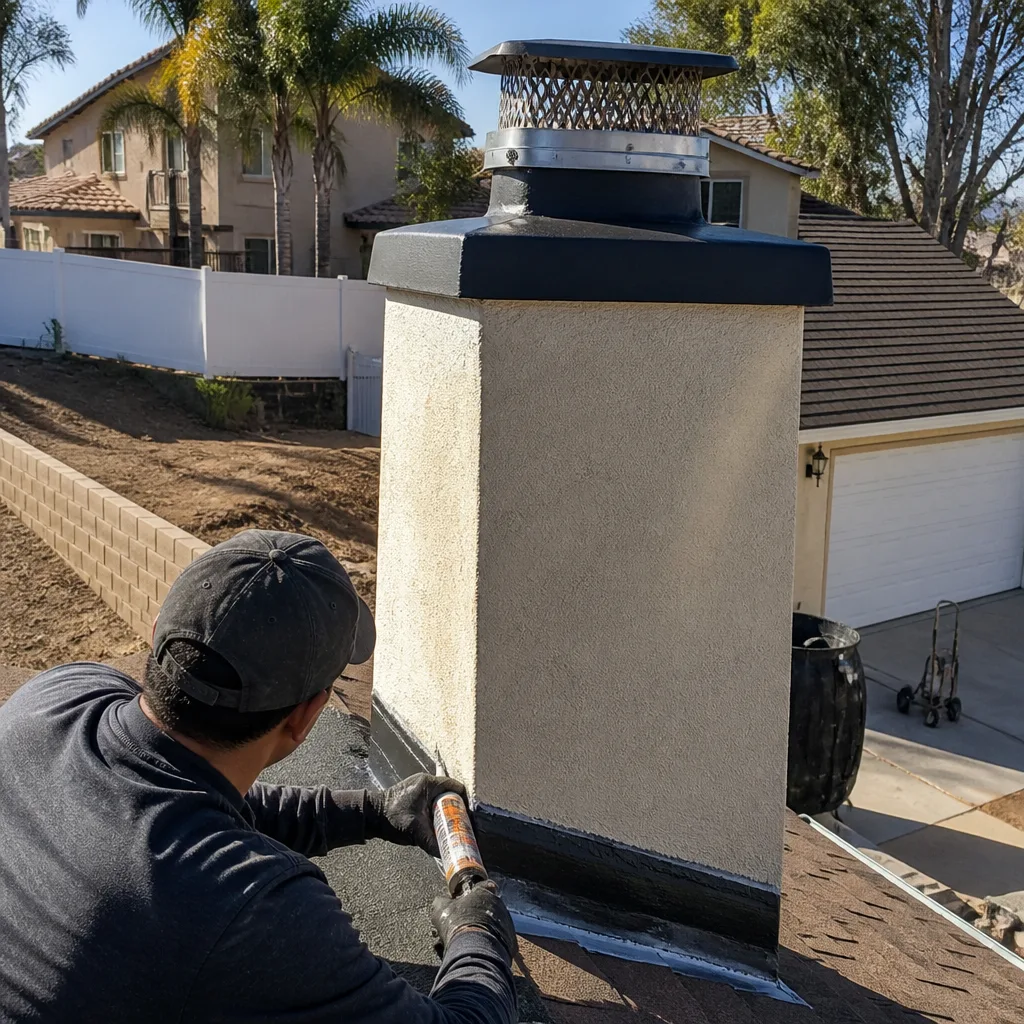
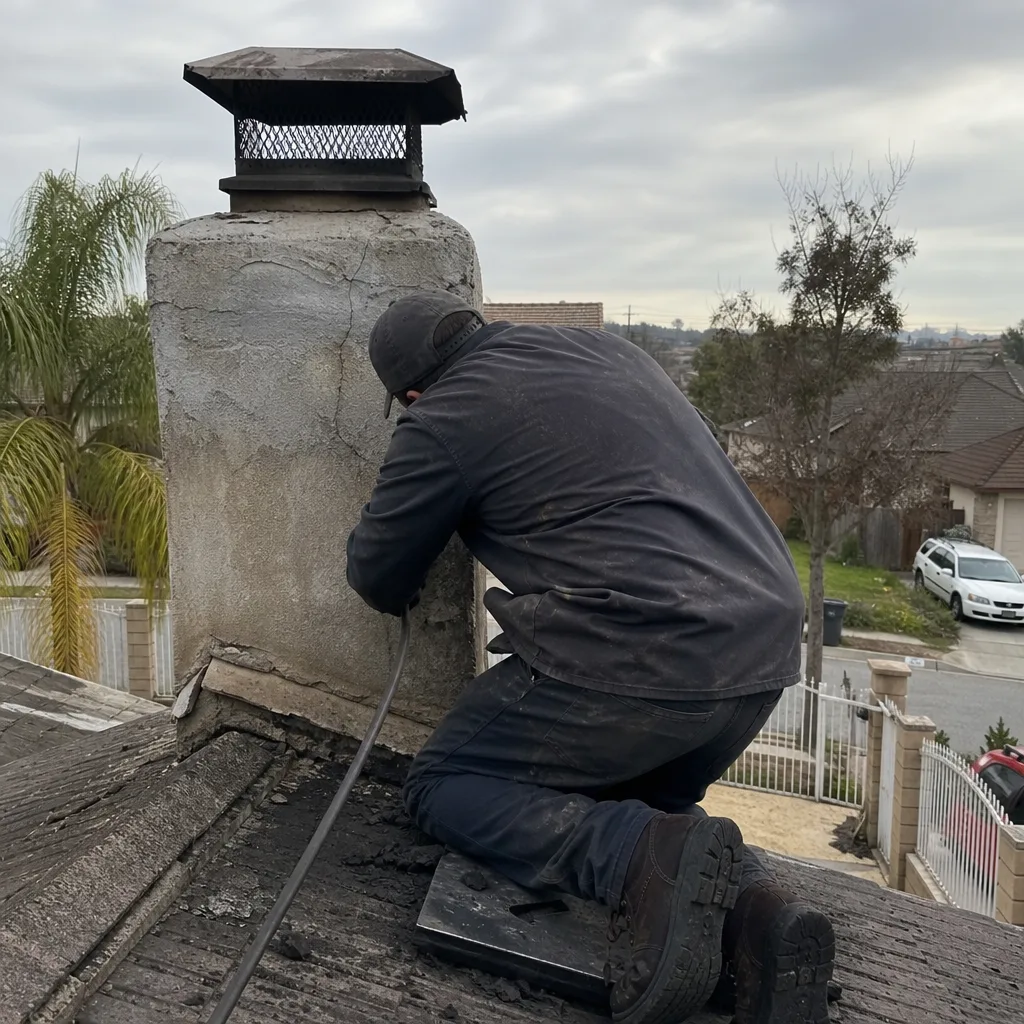
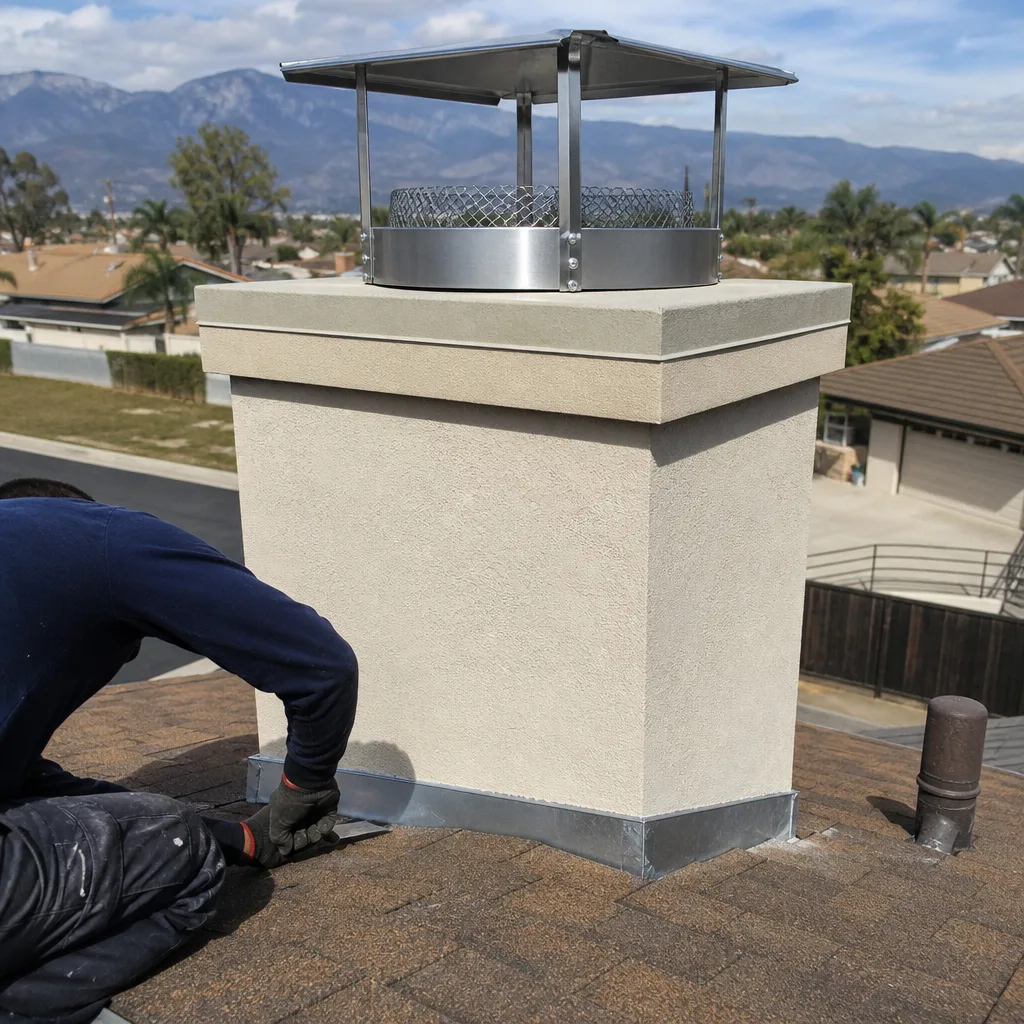
See the difference
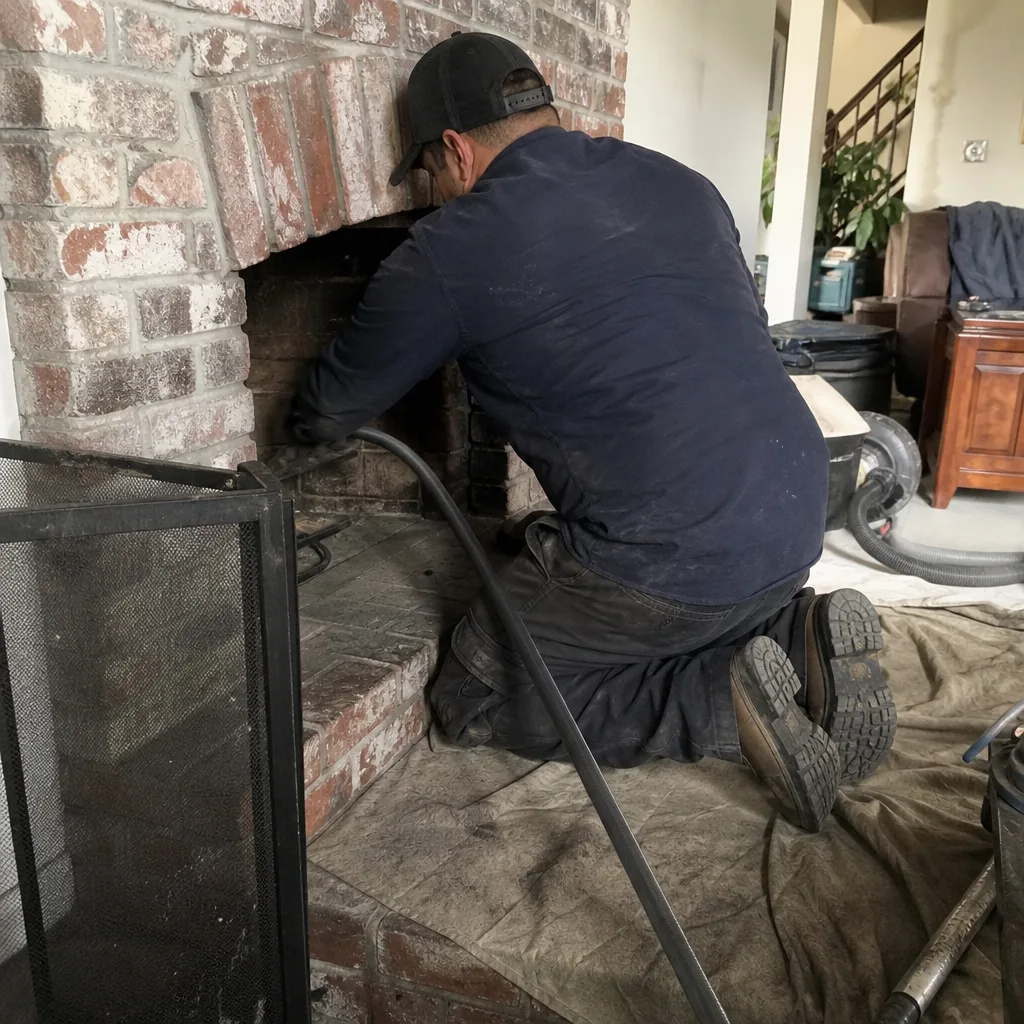 Before
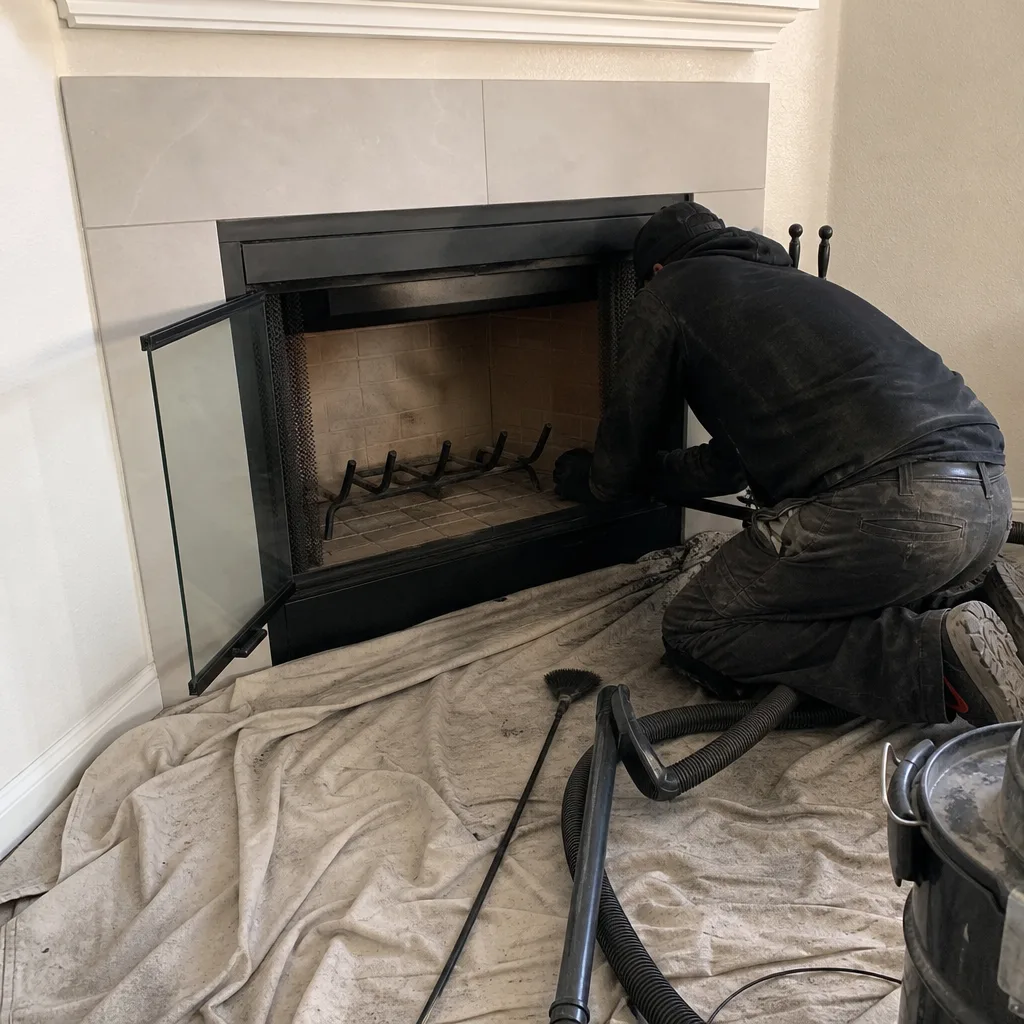 After
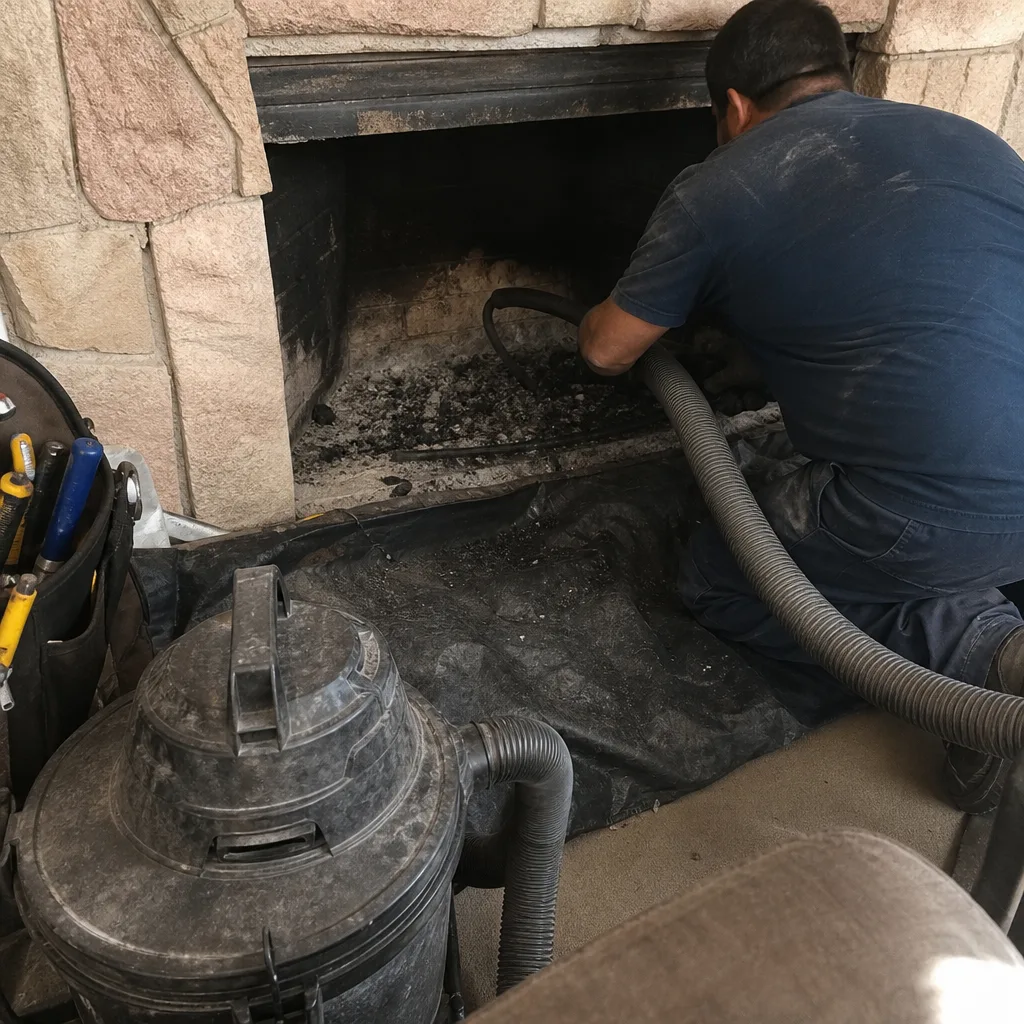 Before
 After
 Before
 After
When to Call a Professional
Call a professional chimney technician before you burn your next fire if you notice any of these Chimney Cleaning Warning Signs: A Rialto Homeowner’s Reference Guide symptoms: a strong smoky smell even when the damper is open, visible creosote buildup that looks like shiny black tar on the flue walls, water staining on the ceiling near the chimney, spalling brick or flaking mortar on the exterior chimney, or a fire that burns sluggishly with poor draft. If you’ve had a chimney fire, do not use the fireplace again until a Level II inspection is completed. If your dryer is taking two cycles to dry a load, that’s a venting restriction and it’s a fire hazard, not a laundry inconvenience. Chestnut Chimney Sweep offers free estimates in Rialto, call (855) 360-4975 to schedule an inspection.
Frequently Asked Questions
A standard chimney sweep in Rialto typically runs between $150 and $350, depending on flue height, creosote condition, and whether the chimney has an accessible roof. Gas fireplace sweeps run lower, wood-burning sweeps with heavy creosote run higher. We quote a flat price before the appointment, no surprises after. Call (855) 360-4975 for an exact quote.
In most California jurisdictions, including Rialto, a mechanical permit is required when a chimney liner is installed or replaced, even when the original liner is left in place and a new stainless liner is pulled through. The work changes the venting system’s material composition and often its diameter, which triggers a permit under the California Mechanical Code. Always verify with Rialto Building & Safety before scheduling the work.
The National Fire Protection Association recommends a chimney be swept when there is 1/8 inch or more of creosote accumulation, and homes that burn wood regularly should be inspected at least once per year. A Rialto home that burns a fire a few times per week during winter months typically needs a sweep every season. Pellet stoves and gas fireplaces can go longer between cleanings but should still be inspected annually.
Creosote builds up on flue walls and eventually restricts draft, pushes smoke back into the living space, and creates a fire hazard. Creosote is highly flammable, and a chimney fire can reach temperatures high enough to crack flue tiles and ignite framing members. The initial cleaning costs a few hundred dollars. Repairing firebox damage after a chimney fire costs thousands. Call (855) 360-4975.
A Level I inspection, performed during a routine sweep, covers all accessible surfaces and components. It will not see concealed damage inside walls or around the flue. A Level II inspection, required after a chimney fire or before a liner replacement, uses camera inspection to document the flue interior. We can tell you which level fits your situation.
Yes, but you’ll disclose it, and the buyer may ask for a credit or a retroactive permit. Retroactive permits for liner work typically require opening accessible areas to show the work to the inspector, which costs money and may require corrective action. A permitted job with final sign-off avoids all of this.
The Bottom Line
Chimney cleaning in California needs no permit. The permit line sits at repair and replacement work that alters the flue material, the firebox structure, or the venting configuration. In Rialto, a mechanical permit from the City of Rialto is the standard requirement for liner replacement, firebox rebuilds, and similar work. The permit costs a few hundred dollars and protects you from insurance claim denial, escrow failure, and code enforcement risk. Work with a contractor who specifies their materials by name, pulls permits without hesitation, and documents every inspection. That’s what Chestnut Chimney Sweep does. For more guides & resources, visit our blog. One call covers your chimney and your dryer vent, two of the most overlooked combustion safety systems in a home.
Written by the team at Chestnut Chimney Sweep, serving Rialto since 2012.