
Last updated October 30, 2026
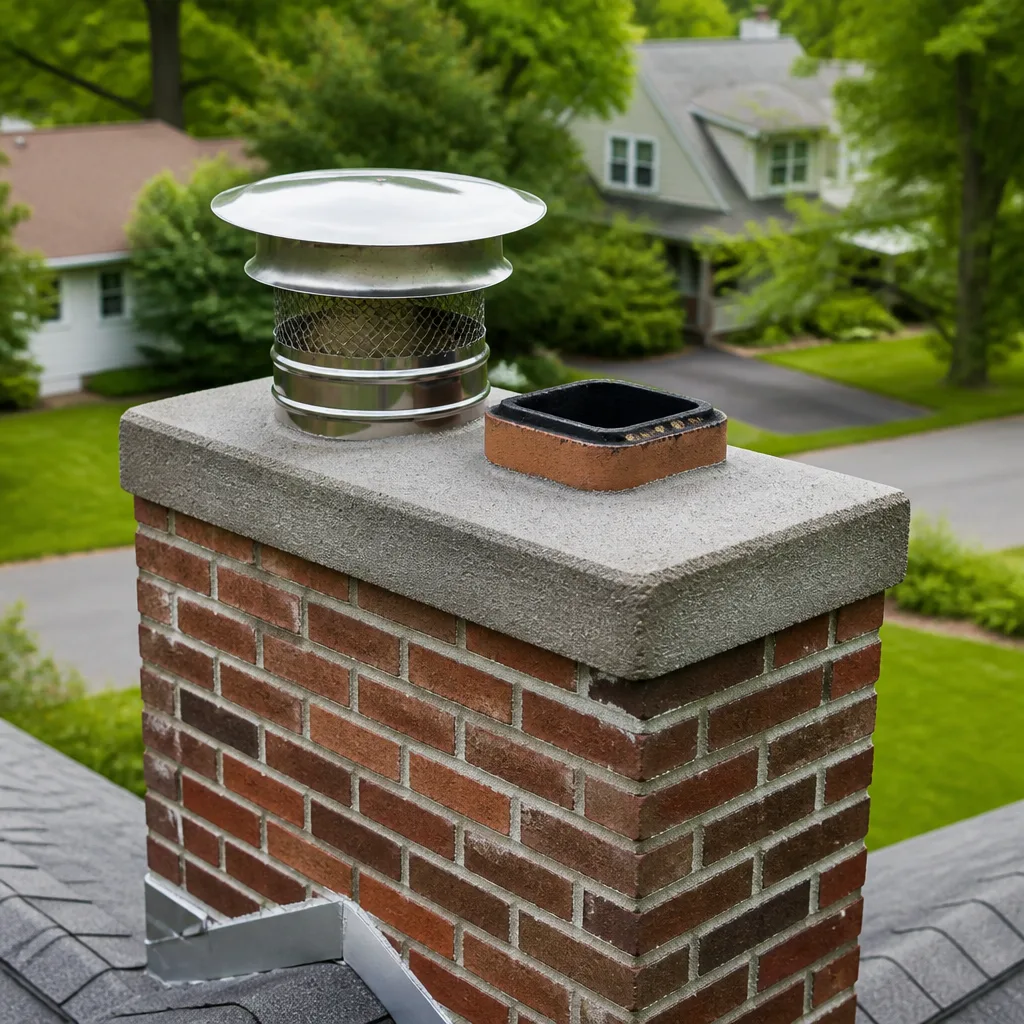 Sweep & inspection
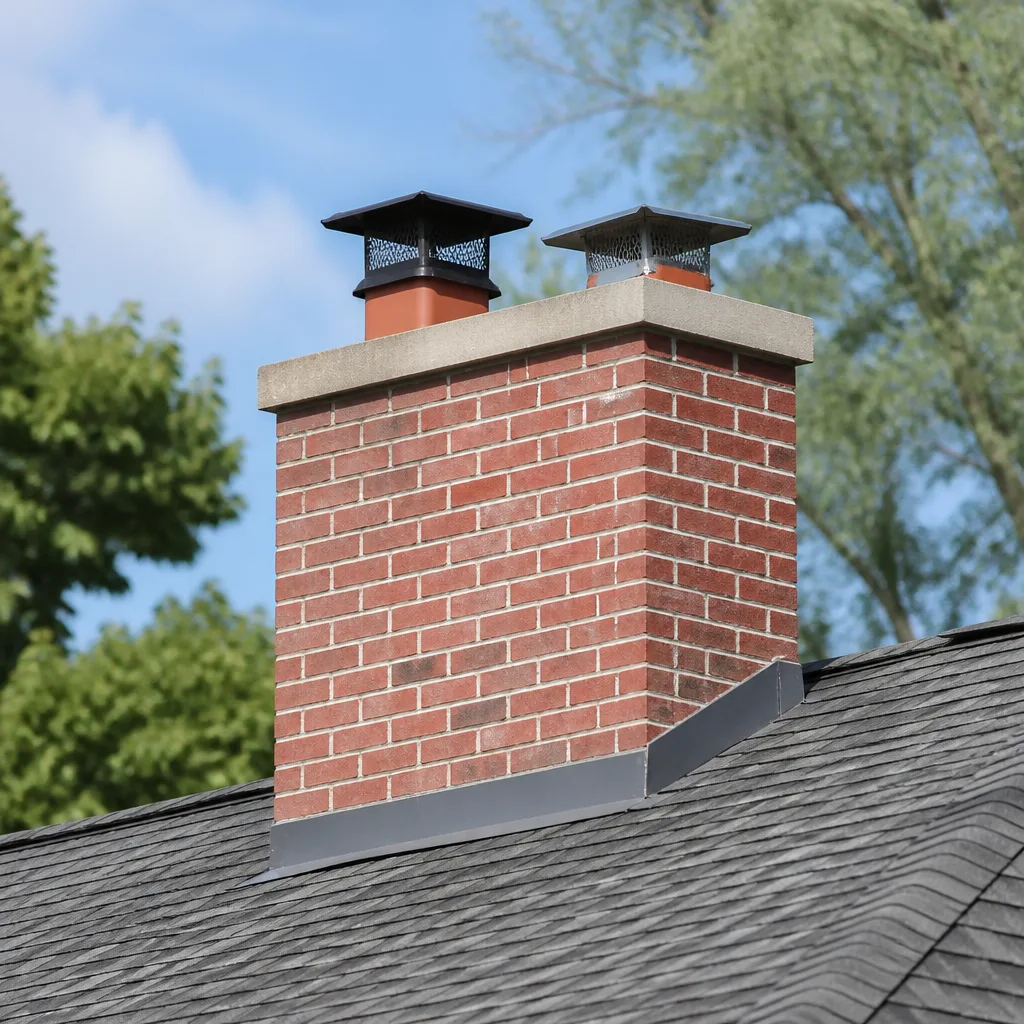 Caps & crowns
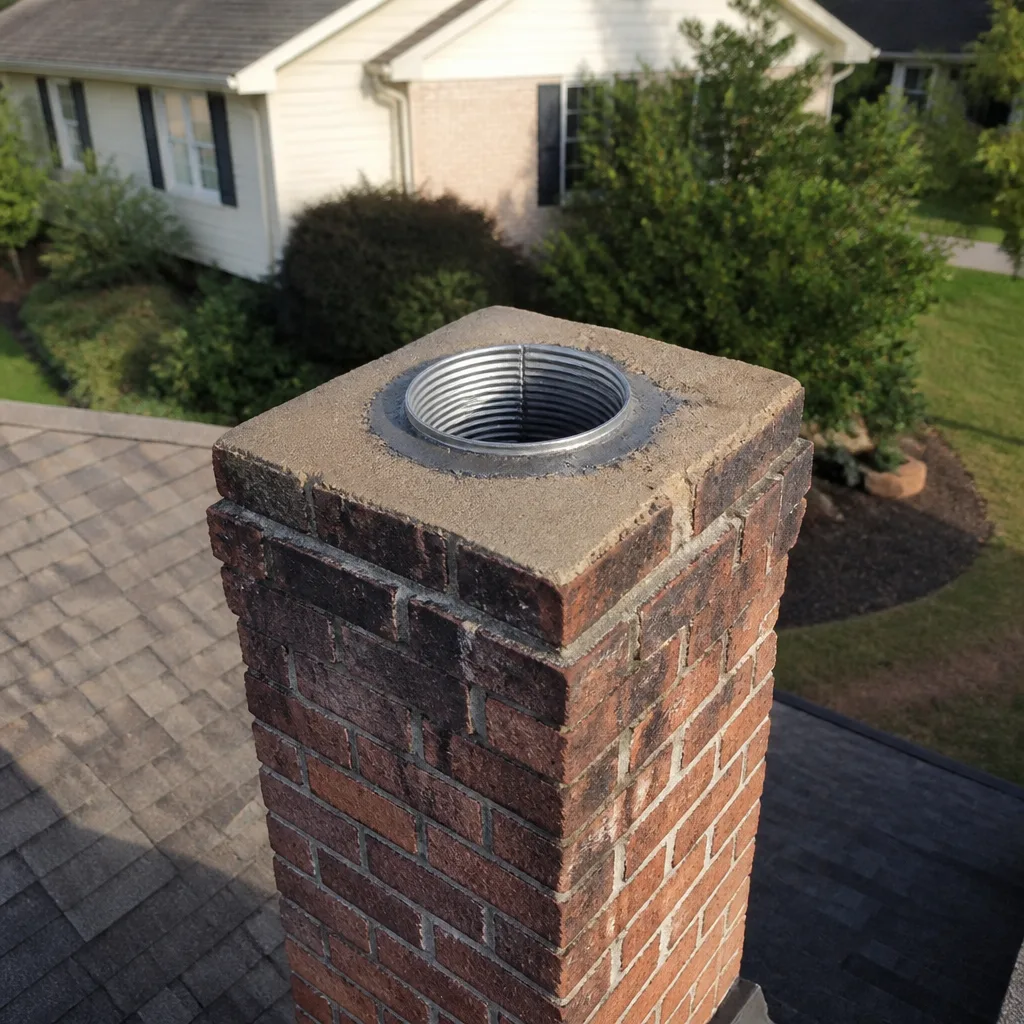 Flue relining
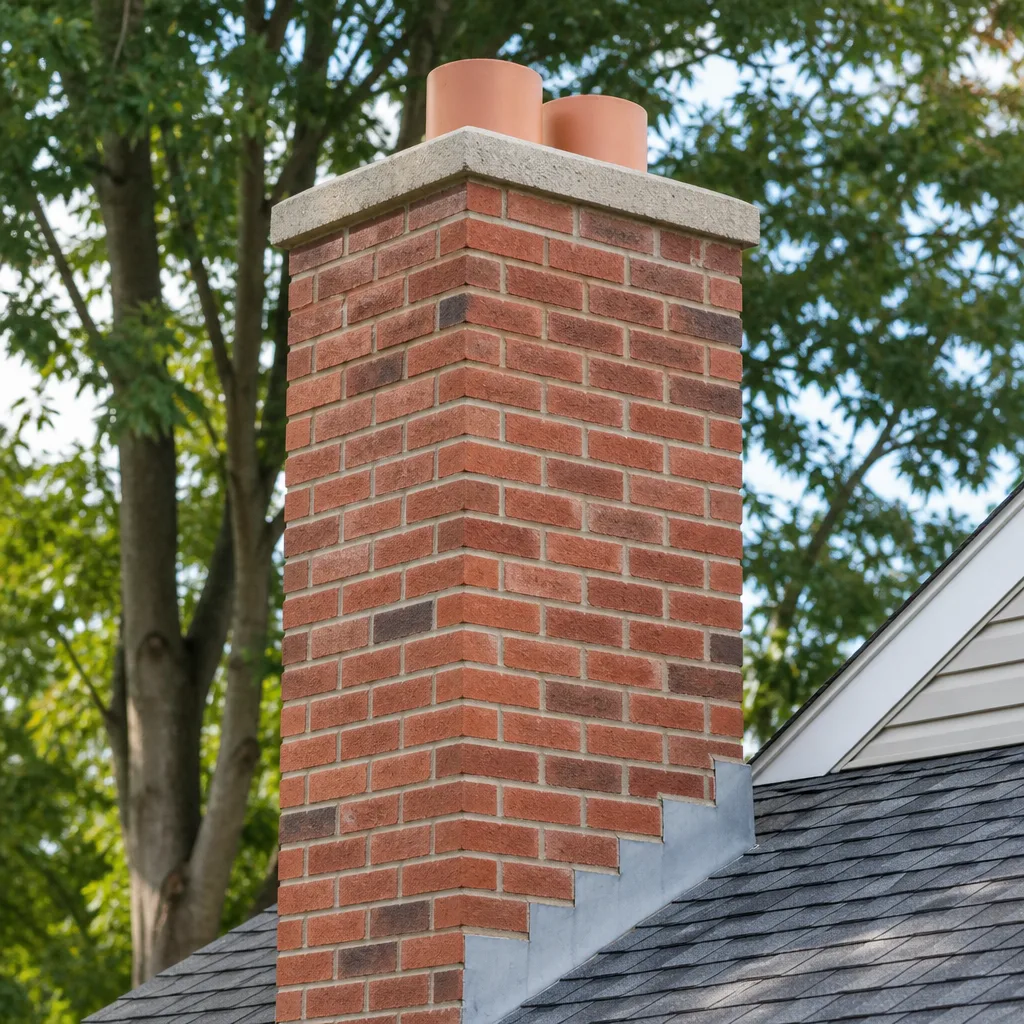 Masonry repair
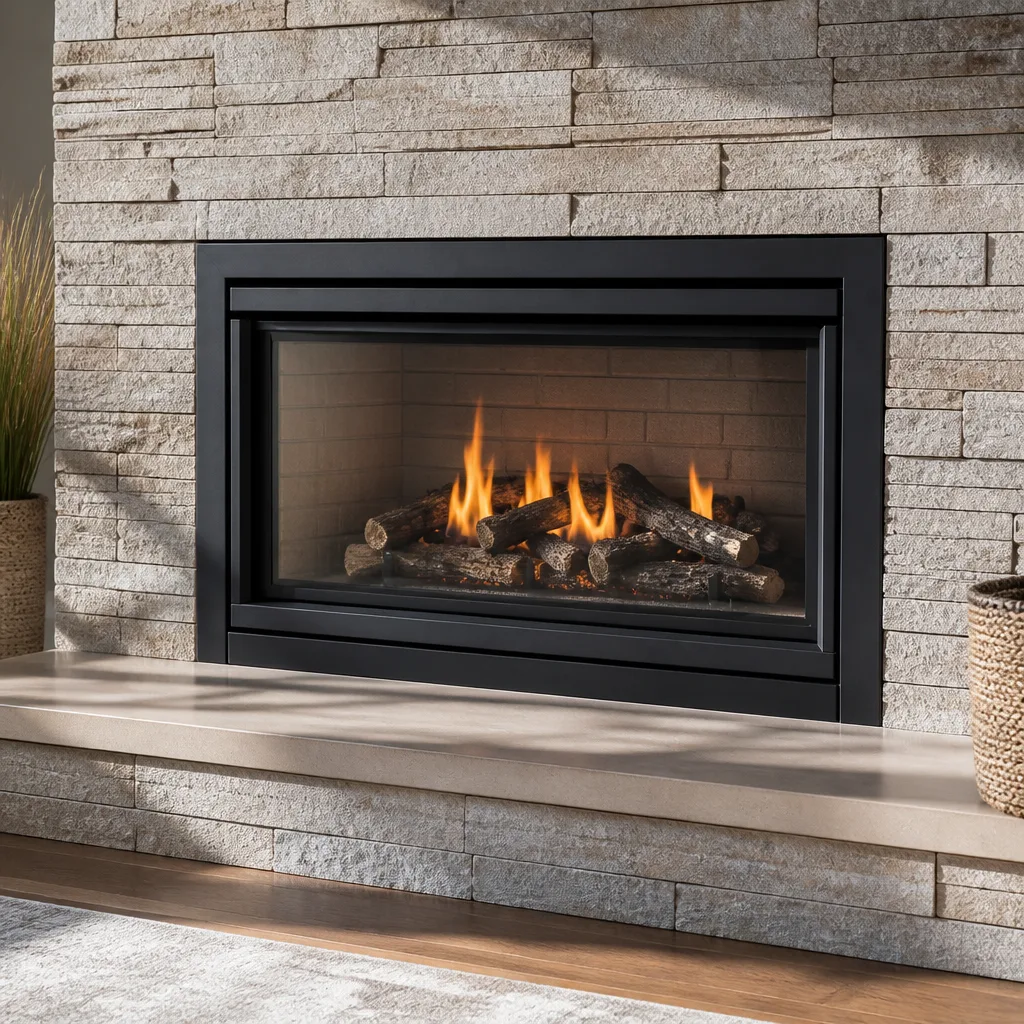 Gas fireplace service
Level 1 sweep and inspection to the NFPA 211 annual standard - flue, crown, cap, and flashing checked and photographed
Chimney sweep logs do not sweep chimneys. They loosen some creosote - which then falls where a brush and vacuum still have to collect it.
Seasonal Chimney Cleaning Care for Rialto: Year-Round Homeowner’s Guide
In Rialto, the worst time to light a fire isn’t January. It’s the first cold night in November, when your chimney has sat dormant through a 105-degree summer and the damper gasket has dried to a crack, debris has settled in the smoke shelf, and the flue hasn’t moved air in six months. Most seasonal chimney advice gets written for climates with real winters. Rialto doesn’t have that problem. What it has is a damage pattern all its own: long idle periods, intense UV, low-humidity mortar degradation, and sudden high-use cold snaps that stress every component at once. This guide walks through what a Rialto chimney actually needs in each season, what to check, what to skip, and when to bring in a professional.
Styles & brands we work with
Quick Answer
A Rialto chimney needs year-round attention, not just a fall sweep. The core annual rhythm is: cap and inspect in summer, sweep and verify draft in October or November, monitor creosote during winter burn months, and do a post-season assessment in spring plus an out-of-cycle check after any major Santa Ana wind event. The most important annual tasks are a professional sweep, a damper function test, a liner camera scan, and a crown and cap inspection. For more on what these tasks involve, see our Chimney Cleaning Permits, Codes & Inspections in CA: What You Need to Know.
Table of Contents
- Why Rialto’s Climate Is Harder on Chimneys Than Homeowners Expect
- Summer (June – September): Capping, Nests, and UV-Cracked Crowns
- Fall Prep (October – November): What a Pre-Season Sweep Should Include
- Winter Burn Season (December – February): Monitoring Creosote During Active Use
- Spring Recovery (March – May): Post-Season Cleaning and Moisture Assessment
- Santa Ana Wind Events: Out-of-Cycle Debris Intrusion
- Common Mistakes to Avoid
- When to Call a Professional
- Frequently Asked Questions
- The Bottom Line
Why Rialto’s Climate Is Harder on Chimneys Than Homeowners Expect
Rialto sits in the Inland Empire, where summer temperatures regularly climb past 100 degrees and winter lows dip into the 40s. That swing matters. Chimney materials expand and contract with temperature changes. Masonry crowns, the concrete slabs that seal the top of your chimney, take the worst of it. Over years of 105-degree days followed by 45-degree nights, hairline cracks form. Once a crack exists, the rare but real Rialto rain events push water into the masonry, and the next heat wave bakes that moisture into steam pressure from inside. The crack widens. The cycle repeats.
Low humidity is another Rialto-specific factor. Mortar joints between chimney bricks depend on a certain moisture balance in the air. In an arid climate, mortar dries faster than it cures, which means joints repointed here need a different curing approach than they would in, say, Seattle or Chicago. A Chimney Repair in Rialto specialist who knows local conditions will account for that.
Then there’s the idle problem. In colder climates, chimneys heat and cool on a regular winter schedule, which keeps gaskets flexible, dampers exercised, and airflow moving. In Rialto, a chimney might go eight months between uses. Gaskets dry out. Dampers seize. Birds and insects move in. None of this is catastrophic on its own, but combined, it means the first fire of the season is the highest-risk fire of the season. That’s why the seasonal care calendar for Rialto looks different from the fall-only advice you’ll find in most guides.
We’ve worked on Rialto chimneys that had pristine liners and others that needed a Chestnut Chimney Sweep home full assessment after years of neglect. The difference is rarely how often the homeowner burned. It’s whether anyone looked at the system during the months it wasn’t being used.
Summer (June – September): Capping, Nests, and UV-Cracked Crowns
Nobody in Rialto is lighting a fire in July. That’s exactly why summer is the right time for chimney maintenance. The flue is cold, the firebox is empty, and any issue you find has months to be repaired before burn season starts. You’re not racing the first cold front the way homeowners in the Northeast are.
Here’s what a summer inspection should cover, in order of priority:
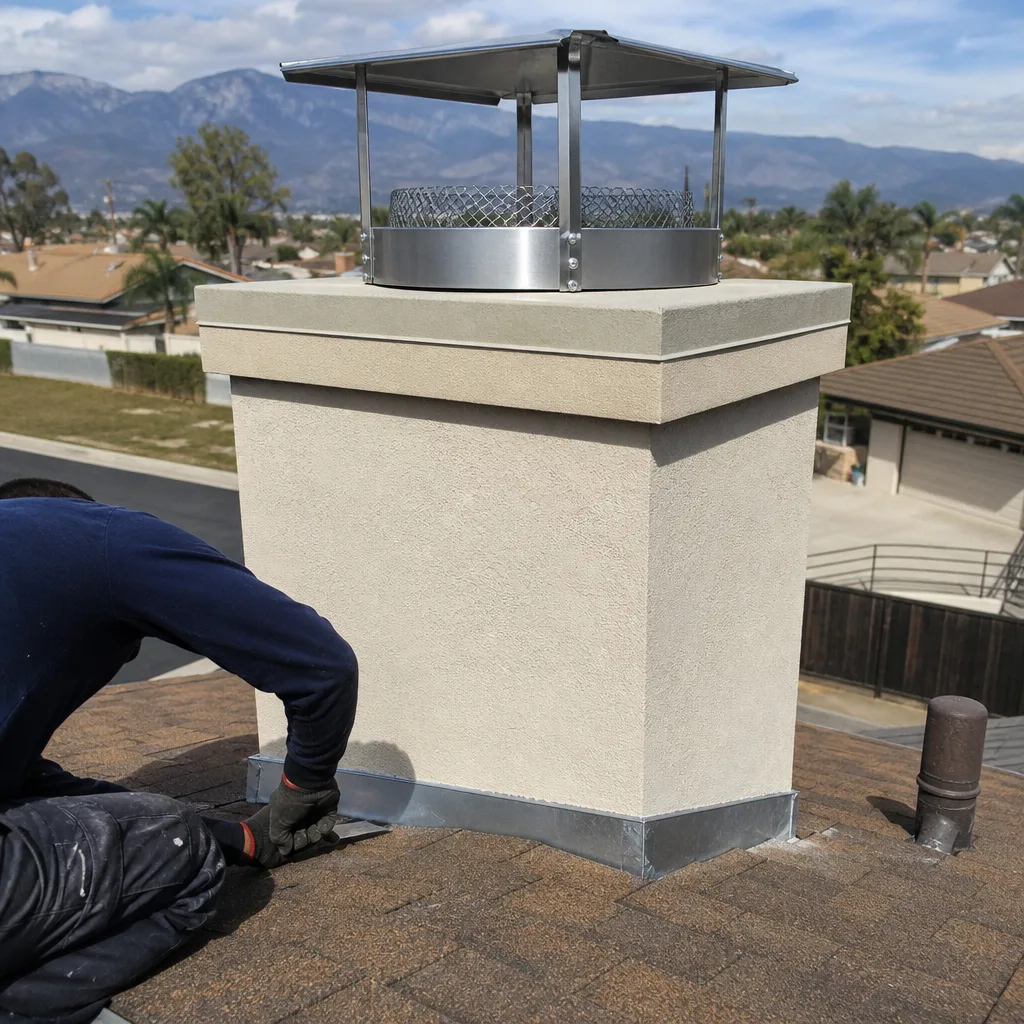
- Cap and spark arrestor check. The cap is your first line of defense against birds, squirrels, leaves, and rain. Without a cap, or with a damaged one, your flue becomes an open invitation. We specify Copperfield caps for most Rialto homes because they hold up to sustained UV better than thinner aftermarket options. A cap that’s warped or rusted through after three summers isn’t doing its job.
- Crown inspection. The crown is the concrete or mortar slab at the top of the chimney. Rialto’s UV exposure is brutal on crown sealant. Cracks as thin as a credit card will let water in, and once water gets into the masonry, it starts a freeze-thaw cycle in winter and a steam-expansion cycle in summer. Both push the crack wider. Sealing a crown in summer, when it’s bone dry, gives the sealant the best chance to cure properly.
- Bird and nest eviction. Chimney swifts and starlings love an unused flue. By late summer, nesting season is winding down, but remnants of nests, feathers, and droppings can block airflow and create an acidic residue that corrodes metal liners. If you hear chirping in May or June, note it. Once birds have fledged, get the flue cleaned and the cap repaired so they don’t return next spring.
- Damper exercise. A damper that sits closed for months can seize. Exercising it open and closed a few times in summer costs nothing and tells you whether the mechanism still moves freely. If it’s rusted, stiff, or no longer seats properly, summer is the cheapest time to repair or replace it.
- Liner visual assessment. You won’t be able to see much from the top without a camera, but a tech can. Clay tile liners crack under heat stress, and stainless liners corrode at weld points. A camera scan in summer gives you a baseline before the burn season.
A quick note on HeatShield: if a summer camera scan reveals minor cracking or gaps in a clay liner, HeatShield restoration can often repair the damage without tearing out and replacing the entire liner. It’s a specialized process that most sweep-only companies don’t offer. We carry it because we’ve seen too many homeowners get quoted for a full reline when a fraction of that work would have solved the problem.
Fall Prep (October – November): What a Pre-Season Sweep Should Include
The first cold snap in Rialto usually arrives in late October or early November. If you haven’t touched your chimney since spring, this is the window where you either get it ready or accept you’re lighting a fire in a flue with unknown conditions. Here’s the thing: a sweep is the minimum. A proper pre-season appointment should cover five separate checks, and you can learn more in our Chimney Cleaning Emergency Preparedness Guide for Rialto Homes.
Step 1: The sweep itself. Creosote and soot from last season don’t evaporate. They sit on the flue walls, and creosote becomes more flammable the longer it cures. Even one season of moderate use on a wood-burning fireplace can leave enough buildup to sustain a chimney fire. The sweep removes it, plain and simple.
Step 2: Damper function test. Does the damper open fully? Does it close with a proper seal? Does the handle or chain still connect firmly? A damper that won’t open means smoke in your living room. A damper that won’t close means heat loss all winter and cold air drafts on nights you don’t burn. Rialto homes with older masonry fireplaces often have throat dampers that have been in place for decades. We replace more of these in October than any other month.
Step 3: Draft verification. A sweep clears the flue, but the chimney still needs to pull air correctly. A draft check can be as simple as a smoke test or as precise as a manometer reading. If the flue is tall enough and clear, draft usually takes care of itself. But problems show up in Rialto homes where previous owners added room additions, changed attic ventilation, or installed stronger kitchen exhaust fans. Negative pressure in the house competes with the chimney for air. A quick draft check catches that before your first fire fills the room with smoke.
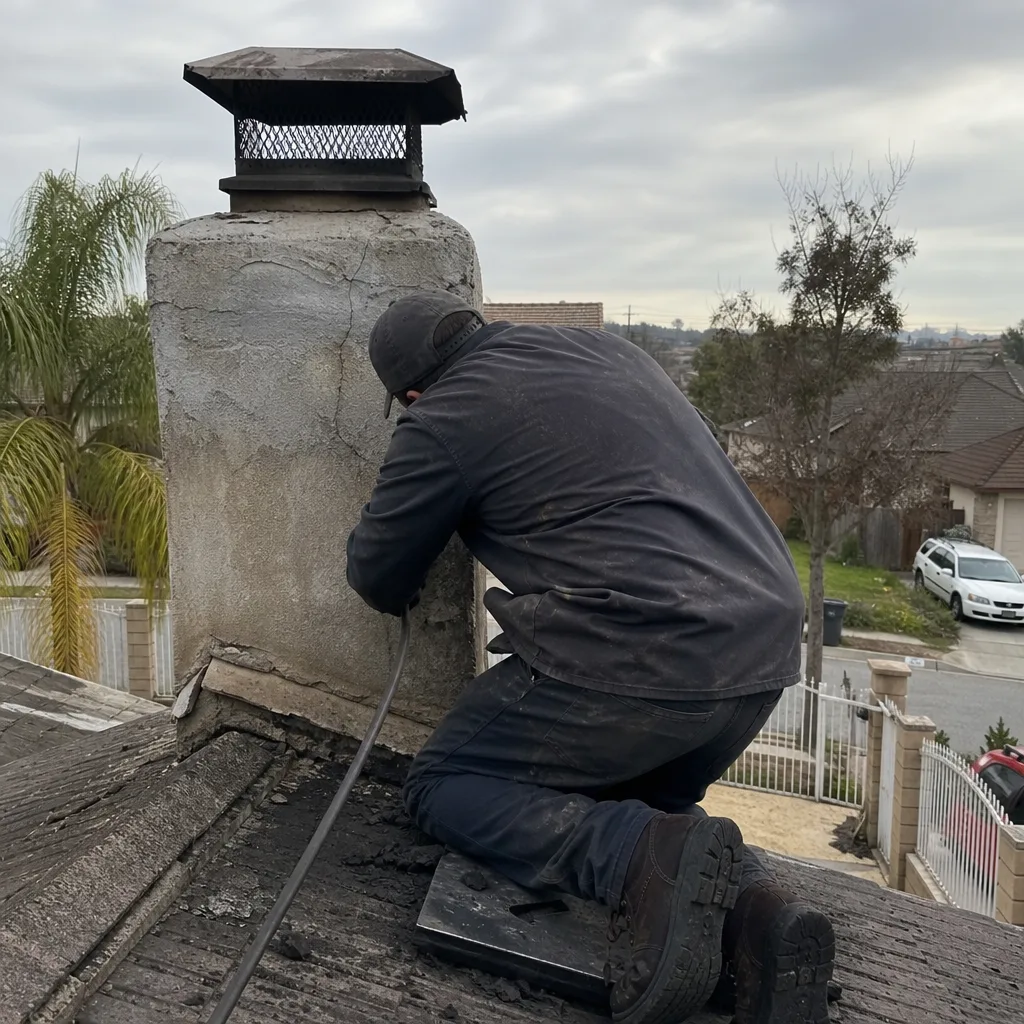
Step 4: Liner camera scan. This is the step that separates a superficial sweep from a real pre-season check. A camera scan shows cracks, gaps, or missing mortar joints in clay liners, pitting or corrosion in metal liners, and blockages that a brush can’t reach. In our experience, Rialto chimneys that haven’t been scanned in years often reveal issues that were invisible from above and below. If we find minor liner deterioration, we can sometimes address it with HeatShield or a targeted repair rather than a full reline. If we find major damage, you’ll know before you light a fire, not after.
Step 5: Cap and spark arrestor review. You checked it in summer. Re-check before burn season. Debris from fall winds, especially in Rialto neighborhoods near the foothills, can clog spark arrestor mesh. A blocked arrestor restricts airflow and pushes exhaust back into the house.
We recommend scheduling a fall sweep in early October, not mid-November. By November, every sweep company is booked weeks out, and you don’t want to gamble on a walk-in appointment. A Chimney Sweep in Rialto who can see your system before the first fire is worth more than one who arrives after you’ve already burned a cord.
Winter Burn Season (December – February): Monitoring Creosote During Active Use
Rialto’s burn season is short. Most homeowners light fires from December through February, with consistent use only on the coldest nights. That intermittent pattern matters for creosote management. Here’s what you need to know about how creosote builds and how to monitor it during active burning.
Creosote forms when wood smoke cools against the flue wall and condenses. Three factors control how fast it builds: wood moisture content, burn temperature, and fire frequency. Burn wet or unseasoned wood, and you’ll create smoke that’s cool, heavy, and creosote-rich. Burn hot, dry hardwood, and you’ll minimize it. But here’s the Rialto-specific detail: because many Rialto homes burn only occasionally, flue temperatures never stay hot long enough to burn off partial creosote deposits. You might burn the same amount of wood as a Midwest homeowner but accumulate creosote faster because the flue cools completely between fires.
What to monitor during burn season:
- Wood quality. Split wood should be dried at least six months, ideally twelve. Rialto’s low humidity actually helps seasoning, but wood stored uncovered through a rare wet winter can reabsorb moisture fast. Stack it off the ground and cover the top only, leaving the sides open to airflow.
- Fire behavior. A properly drafting fire pulls air in through the open damper and sends smoke up the flue cleanly. If smoke spills into the room, or if you smell smoke in the house hours after a fire, something’s wrong. Don’t ignore it.
- Soot production. Some soot is normal, but if you’re seeing black flakes fall into the firebox after each fire, that’s creosote shedding from the flue walls. It’s a signal that buildup is happening faster than normal.
- Burn frequency. If you burn more than two or three times a week through the winter, check for buildup by mid-season. A quick visual inspection with a flashlight from the firebox looking up won’t tell you everything, but it will catch heavy deposits.
A note on gas fireplaces: Rialto has plenty of homes with gas log sets or gas inserts. These systems produce less creosote but create their own concerns. Gas logs still need annual service: checking the gas line connection, verifying the logs are seated correctly, and cleaning soot off the ceramic logs. Gas inserts have blower motors that accumulate dust and need cleaning. If you have a gas fireplace that hasn’t been serviced in years, schedule it alongside your chimney check.
During active burn season, keep an eye on the cap from outside if you can see it. If smoke is exiting slowly, or if you see a sticky black residue forming around the cap mesh, your flue is building creosote and likely needs a mid-season or post-season sweep.
Spring Recovery (March – May): Post-Season Cleaning and Moisture Assessment
By March, most Rialto homeowners have run their last fire of the season. That’s the right moment for a post-season assessment, and it’s the step most people skip entirely. Here’s why it matters.
Creosote left in a flue over the summer doesn’t just sit there harmlessly. It cures, hardens, and becomes more chemically stable and harder to remove in the fall. Humidity in the air can interact with creosote, causing it to flake onto the smoke shelf. The longer it sits, the harder the next sweep becomes. A post-season sweep means your chimney goes into the summer clean, and your fall prep appointment is shorter and cheaper.
Spring in Rialto also coincides with the tail end of the rainy period. Rialto averages only about 14 inches of rain per year, and most of it falls between November and March. That means March and April are the best months to check for moisture intrusion. What you’re looking for:
- Efflorescence. White chalky deposits on the chimney exterior signal water moving through masonry and leaving mineral salts behind.
- Water stains on the ceiling near the chimney chase. If water is entering around the flashing, it will show up on interior drywall or framing.
- Spalling bricks. Brick faces that are flaking, popping, or crumbling indicate water has penetrated the brick and caused it to degrade from within.
- Rust on the damper or firebox. Rust inside the firebox means water is coming down the flue, likely past a failing cap or through cracks in the crown.
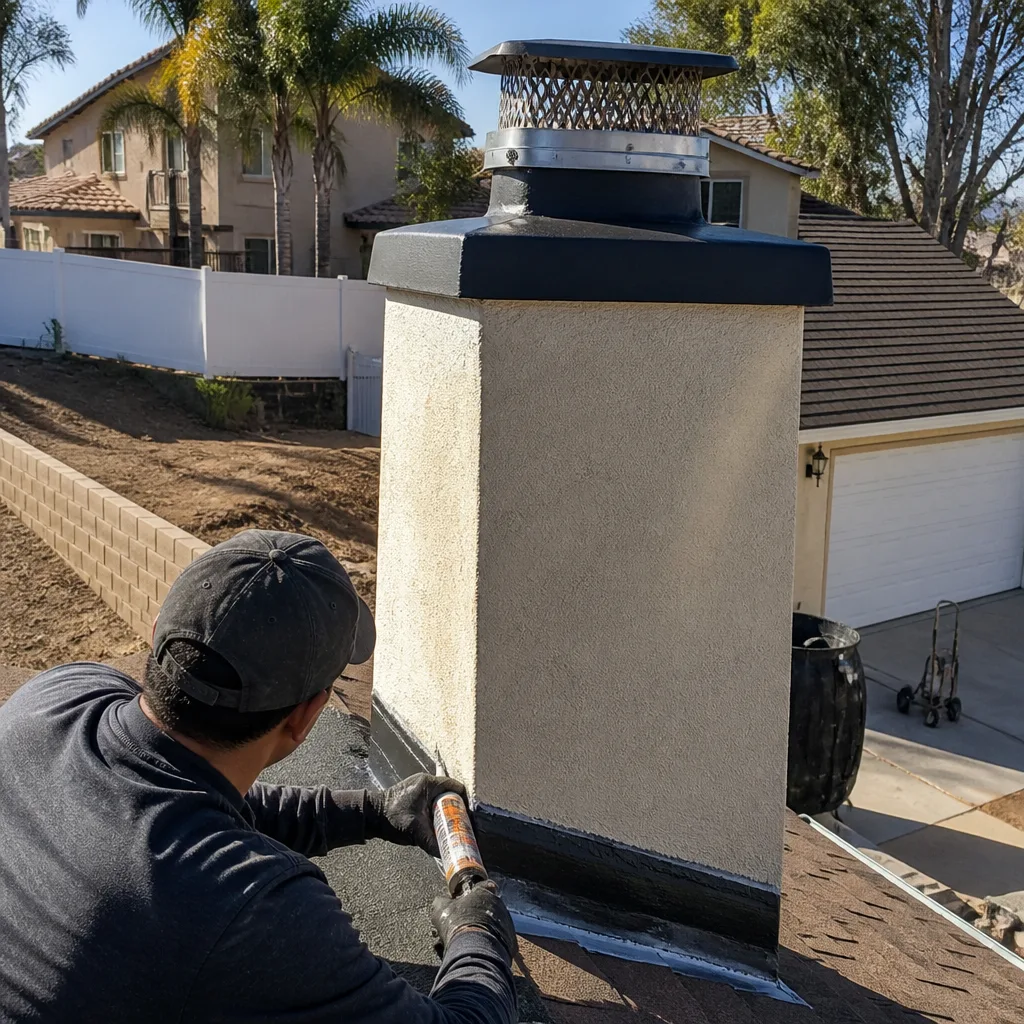
Post-season is also the right time to inspect the flashing where the chimney meets the roofline. Flashing is the metal skirt that seals that junction, and it’s one of the most common failure points on Rialto homes. A flashing leak often gets blamed on the roof, but the source is usually the chimney. If we find flashing issues in spring, there’s ample time to repair before next winter’s rain. We use DuraFlex and Copperfield components in our repair work because those brands hold up to repeated heat and UV cycling better than generic hardware-store flashing.
Finally, spring is the season to plan ahead. If your spring assessment reveals a liner in early-stage deterioration, you have months to schedule Chimney Repair in Rialto before the fall rush. HeatShield restoration, which rebuilds the interior surface of a damaged liner without full replacement, works best when the liner is clean and dry. Spring is the ideal time for that kind of work.
Santa Ana Wind Events: Out-of-Cycle Debris Intrusion
Rialto sits at the edge of the Santa Ana wind corridor. These offshore wind events, most common from September through January, regularly produce gusts of 40 to 60 miles per hour, sometimes higher in the foothill-adjacent neighborhoods. For chimney owners, a strong Santa Ana is not just a nuisance. It’s a debris delivery system.
Here’s what high winds do to a chimney:
- Leaves, twigs, and windblown trash pile up against cap mesh. Once the mesh clogs, airflow drops.
- Loose cap components work free. Wind vibration can loosen screws, shift spark arrestor bands, and create gaps that birds and rain later exploit.
- Existing crown cracks widen. High winds vibrate the chimney structure. Cracks that were stable all summer can propagate in one serious wind event.
- Debris drops into open flues. If your damper is open or your cap is damaged, wind will drive leaves and debris directly down the flue. We’ve found everything from plastic bags to roof shingles in flues after Santa Ana events.
When should you schedule an out-of-cycle inspection after a Santa Ana? Two scenarios. First, if you hear abnormal whistling or rattling from the chimney during the wind event itself. Second, if you see visible debris on the cap or if you notice a smoky smell in the house even without a fire burning. If neither applies, you can probably wait for your next scheduled check. But after a particularly violent event, like the ones that hit 50-plus mph in the north Rialto neighborhoods, a quick visual inspection costs little and can prevent a blocked-flue fire hazard.
One more wind-specific concern: downdrafts. A strong Santa Ana can push air down the flue, blowing ash from the firebox into the living room. This is more common in chimneys with insufficient height or cap design issues. If you get ash blowback during wind events, mention it when you schedule service. There are cap configurations and draft solutions that address it specifically.
Common Mistakes to Avoid
- Skipping the summer cap check because “we don’t use the fireplace in summer.” Birds don’t care about your burn schedule. The moment the flue goes quiet in spring, they start looking for nesting sites. A missing or damaged cap in June means a nest by July and a blocked flue by October.
- Lighting the first fire of the season without any inspection. In Rialto, the first cold night of November is the annual peak for chimney-related smoke complaints and small chimney fires. Six months of sitting idle is enough time for debris accumulation, damper seizure, and liner cracking to develop. A $250 sweep beats a $3,000 repair.
- Burning wet or unseasoned wood. Rialto’s dry climate makes it easy to assume wood seasons quickly. That’s true for split wood stacked properly in open air. It’s false for whole logs, wood stacked against a wall, or wood covered with a tarp that traps moisture. Wet wood accelerates creosote buildup faster than any other factor.
- Ignoring a damper that’s stuck shut or stuck open. A damper stuck shut means you can’t burn safely. A damper stuck open means you’re paying to air-condition the outdoors all summer. Either way, it’s a cheap fix compared to the energy waste or smoke damage it causes.
- Treating a Santa Ana event as “just wind” and moving on. High winds are a real structural stressor on Rialto chimneys. If you hear rattling or see cap damage after a wind event, handle it. Waiting turns a $150 cap repair into a moisture-damaged crown and a reline.
- Using a generic handyman for chimney repairs. Chimney repair is not general construction. It requires understanding of flue dynamics, liner materials, clearance to combustibles, and code. A generalist will often patch what they see and miss what they can’t. Chestnut Chimney Sweep specifies the right liner, cap, or repair product for your system by name.
- Assuming a gas fireplace needs no service. Gas log sets and inserts are lower-maintenance than wood, but they’re not zero-maintenance. Soot accumulation, gas connection wear, and blower motor dust all need attention. If you can’t remember the last time anyone looked at your gas fireplace, this is your reminder.
When to Call a Professional
Some chimney work is genuinely DIY-appropriate: exercising the damper, visual checks from the ground, keeping the firebox clear of ash. But anything involving the flue interior, the liner, the crown, or the cap needs a professional. Here are the scenarios where you should call rather than guess: you see water stains or efflorescence on the chimney exterior; you smell smoke inside the house when no fire is burning; you’ve used your fireplace more than a few dozen times since the last sweep; you hear animal noises from the flue; you see creosote flakes falling into the firebox; or your chimney is more than 10 years old and you have no idea when it was last inspected. Chestnut Chimney Sweep offers free estimates in Rialto. Call (855) 360-4975 and we’ll tell you honestly whether your system needs attention now or can wait. We’d rather give you a clean bill of health than sell you work you don’t need.
Frequently Asked Questions
The National Fire Protection Association recommends a sweep whenever creosote buildup reaches 1/8 inch, but in practical terms, Rialto homeowners who burn wood more than a couple of times a week through winter should schedule an annual sweep, and those who burn occasionally should still have an annual inspection with a sweep every one to two years. Our advice: sweep every year if you burn at all. The cost is modest, and a year of accumulated creosote, debris, and potential animal activity is enough to create a hazard. Call (855) 360-4975 to schedule yours.
A standard chimney sweep in Rialto typically runs $150 to $300 depending on the system type, height, and condition—see our Chimney Cleaning Cost Breakdown: The Rialto Homeowner’s Reference for 2026 for full pricing details. Add-ons like camera inspections, damper replacements, or cap installations are priced separately. Chestnut Chimney Sweep provides a flat quote before we begin, so the number we give you is the number you pay. Call (855) 360-4975 for a free estimate.
Yes. The cap’s primary job in Southern California isn’t rain protection, it’s animal exclusion and spark containment. Rialto has active populations of chimney swifts, starlings, and squirrels that will occupy an uncapped flue. The spark arrestor component also prevents embers from exiting the chimney and landing on your roof or a neighbor’s property during burn season. Rain protection is a bonus, not the main event.
HeatShield is a legitimate repair method, not a band-aid. It uses a ceramic-based material applied to the interior of a damaged clay liner to restore a smooth, insulated surface. For liners with minor cracking, gaps, or spalling, HeatShield restoration can add years of service life at a fraction of the cost of a full reline. The key is that the damage must be assessed first. We always camera-scan before recommending HeatShield so you can see the damage yourself and understand what the repair will and won’t do.
A neglected chimney in Rialto typically develops a progression: creosote builds inside the flue, animals move in during the long idle season, moisture enters through cracked crowns or failed flashing, the liner deteriorates, and eventually the chimney becomes a fire hazard or a structural problem. You might get away with it for a while, but the repair bill, when it comes, will be far larger than years of routine sweeps would have been. The most expensive chimneys we service are the ones nobody looked at for a decade.
Yes. Chestnut Chimney Sweep handles Dryer Vent Cleaning in Rialto as a core service, not an add-on. In fact, one call covers your chimney and your dryer vent, two of the most overlooked fire hazards in a home. We bring the same materials-literate approach to dryer vent work that we bring to chimneys, using Famco-grade venting knowledge to assess airflow, identify restrictions, and verify that your vent system moves air properly. If your dryer has been taking two cycles to finish a load, that’s a vent airflow problem, and it’s worth addressing before it becomes a fire hazard.
The Bottom Line
Rialto’s mild climate creates a false sense of security for chimney owners. The system sits idle for months, and homeowners assume that means nothing is happening to it. In reality, the long idle period is when the damage occurs: birds move in, gaskets dry out, crowns crack under UV, and creosote cures into a harder, more flammable form. The homeowner who handles summer capping, fall sweeping, winter monitoring, and spring assessment will spend less money over the life of their chimney than the homeowner who waits for problems to announce themselves. A year-round care calendar, even a simple one, beats a fall-only approach every time. If you’re unsure where your Rialto chimney stands, start with an inspection. The system will tell us what it needs. Call (855) 360-4975 and we’ll get you on the schedule.
Written by the team at Chestnut Chimney Sweep, serving Rialto since 2012.
See the difference
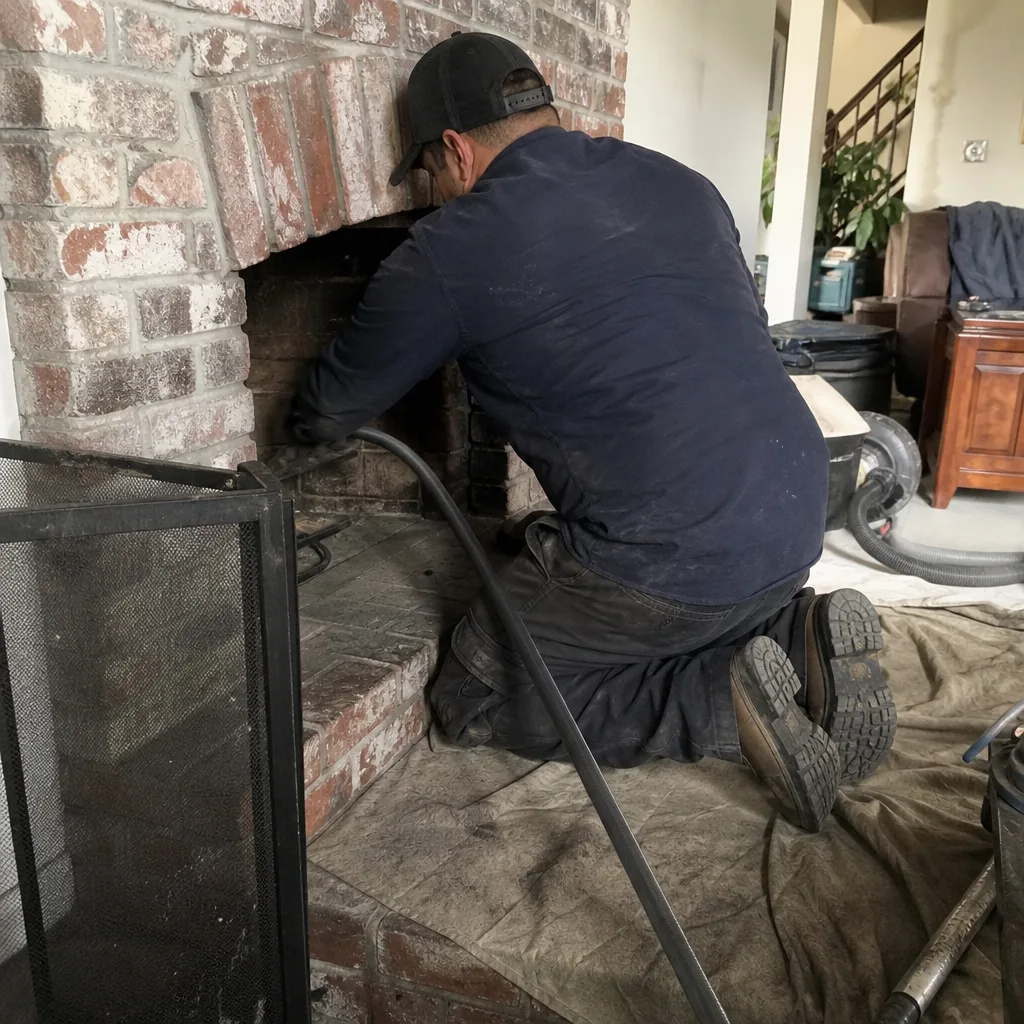 Before
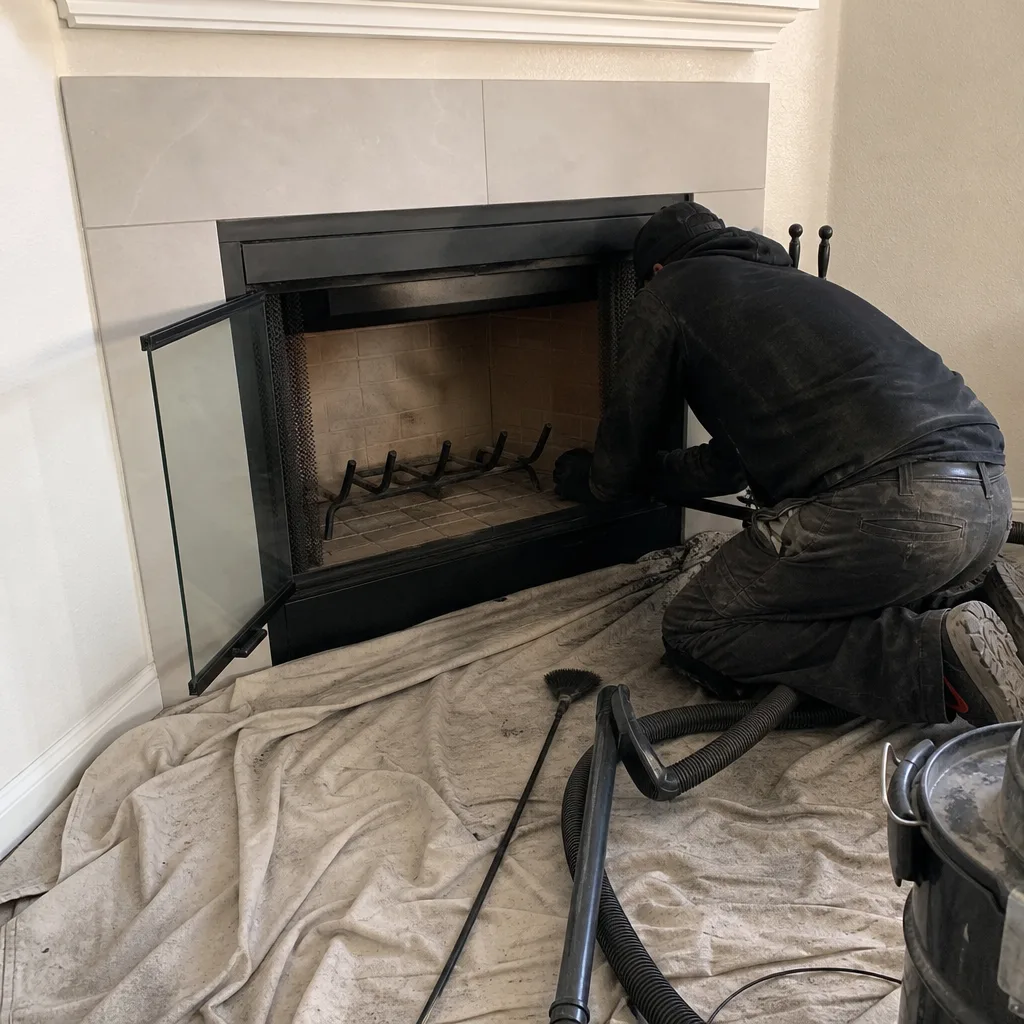 After
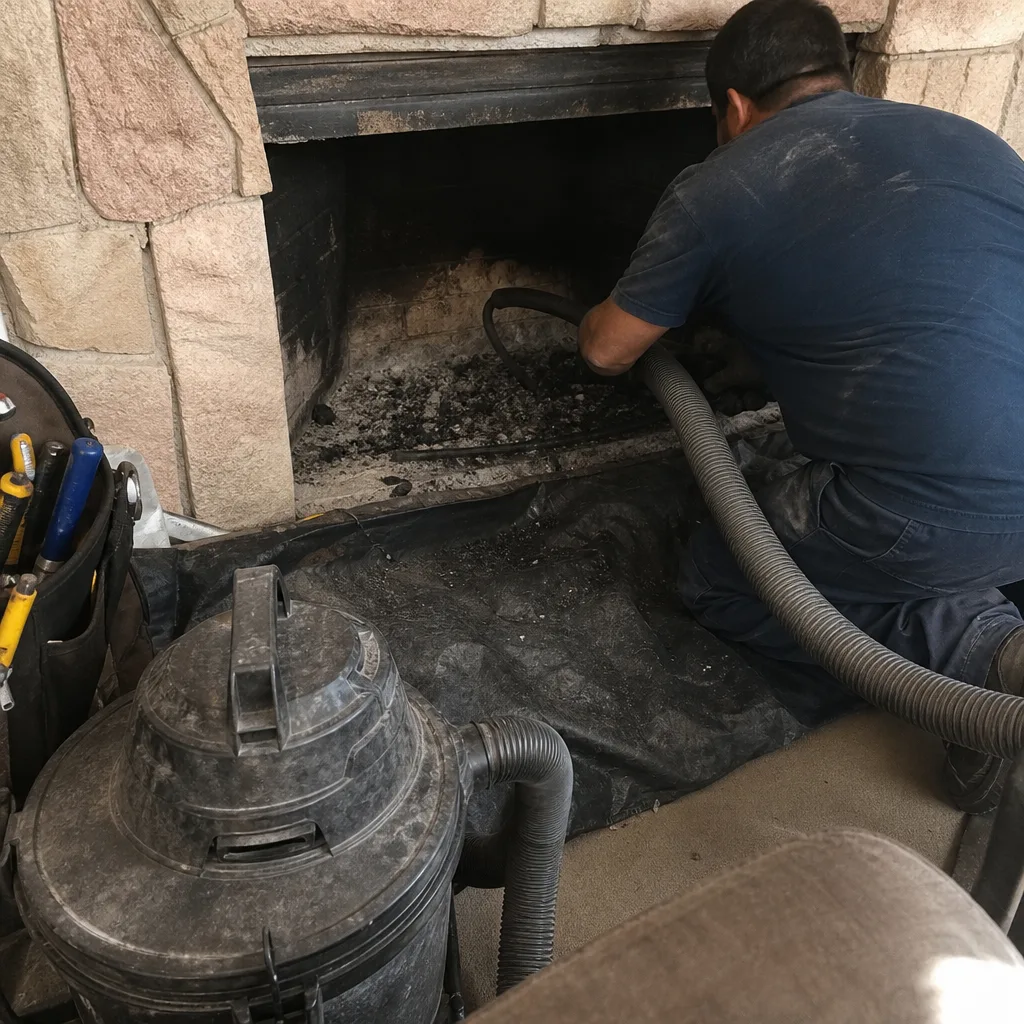 Before
 After
 Before
 After